¿Protección o censura? Redes sociales y salud mental juvenil
Protection or Censorship? Social networks and youth mental health
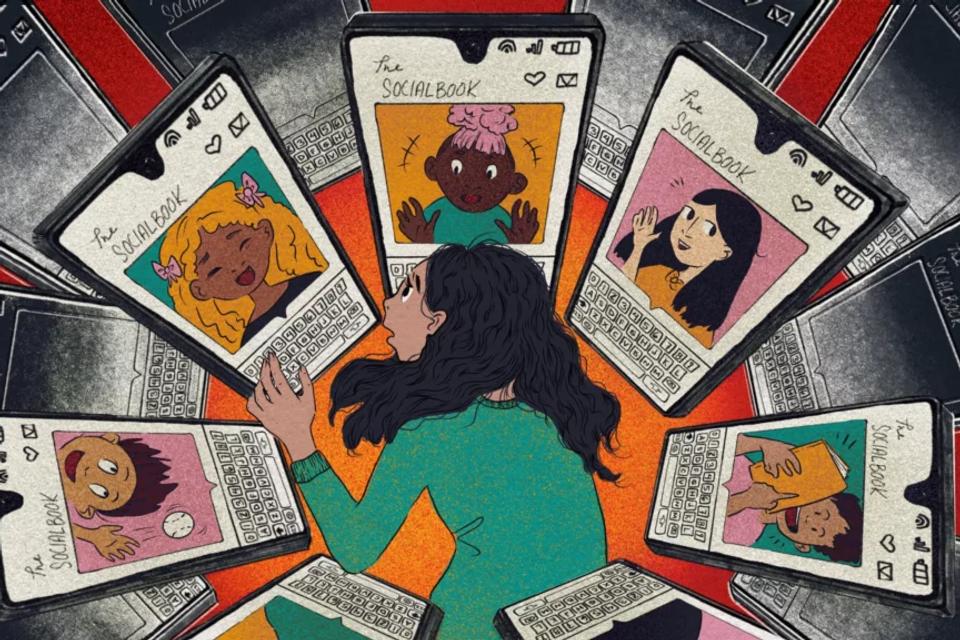

El uso intensivo de redes sociales se volvió una parte central de la vida cotidiana de niños, adolescentes y jóvenes. Sin embargo, en los últimos años crecieron las alertas sobre su impacto en la salud mental, especialmente en etapas de desarrollo emocional. A partir del caso de Australia, que impulsó restricciones al uso de redes sociales para menores de 16 años, este artículo analiza cómo distintos países comienzan a debatir regulaciones digitales y qué desafíos enfrenta la relación entre bienestar juvenil, tecnología y políticas públicas.
The intensive use of social networks has become a central part of the daily life of children, adolescents, and young people. However, in recent years, warnings regarding its impact on mental health have grown, especially during stages of emotional development. Drawing on the case of Australia, which pushed forward restrictions on social network use for minors under 16, this article analyzes how different countries are beginning to debate digital regulations and what challenges the relationship between youth well-being, technology, and public policies faces.
La salud mental juvenil se ha convertido en una preocupación creciente en todo el mundo. En los últimos años, aumentaron los niveles de ansiedad, depresión y estrés entre adolescentes y jóvenes. Al mismo tiempo, el uso intensivo de redes sociales se volvió una parte central de su vida cotidiana. Esta coincidencia despertó algunos debates sobre el impacto de la tecnología en el bienestar emocional. Si bien la tecnología ofrece espacios de expresión y conexión, también plantea riesgos asociados al uso intensivo de pantallas.
En este contexto, algunos gobiernos comenzaron a intervenir con políticas públicas específicas. Australia, por ejemplo, decidió prohibir el uso de redes sociales a menores de 16 años. La medida generó apoyo y críticas, y abrió una discusión más amplia sobre regulación, derechos y cuidado de la salud mental. Analizar este caso permite pensar cómo los Estados enfrentan los desafíos que plantea la tecnología, y también invita a reflexionar sobre el equilibrio entre protección, autonomía y bienestar en una sociedad cada vez más digital.
Redes sociales y bienestar emocional
Las redes sociales forman parte de la vida cotidiana de millones de adolescentes en todo el mundo. A través de ellas se informan, socializan y construyen su identidad. De todas formas, algunas organizaciones, como la Organización Mundial de la Salud (OMS) y la American Psychological Association (APA) advierten que el uso excesivo de las redes sociales puede afectar el bienestar emocional. La comparación constante, la presión por la imagen propia y la exposición a contenidos dañinos pueden generar ansiedad, baja autoestima y aislamiento.
Desde la perspectiva de la salud pública, estos efectos comenzaron a ser considerados como un problema colectivo y no solo individual. Por este motivo, los Estados enfrentan el desafío de diseñar políticas que acompañen el desarrollo digital sin descuidar la salud mental. El debate ya no gira solo en torno al acceso a la tecnología, sino también a sus límites y cuidados.
Derechos, libertad y regulación en la era digital
El debate sobre redes sociales y salud mental juvenil abre una tensión clave entre libertad individual y protección de derechos. Por un lado, el acceso a plataformas digitales forma parte de la vida social, educativa y cultural de los jóvenes. Por otro, los Estados tienen la responsabilidad de proteger el bienestar físico y emocional de niñas, niños y adolescentes. Regular no implica necesariamente censurar, sino establecer límites frente a riesgos comprobados.
Desde esta perspectiva, la discusión se inscribe en el marco de los derechos digitales y del derecho a la salud. Las políticas públicas deben equilibrar autonomía, cuidado y responsabilidad empresarial. Esto implica exigir una mayor transparencia a las plataformas, promover entornos digitales más seguros y fortalecer la educación digital. La regulación aparece así como una herramienta para garantizar derechos, no para restringir libertades de forma arbitraria.
Australia y la regulación del acceso juvenil a redes sociales
En diciembre de este año, Australia anunció la prohibición del uso de redes sociales para menores de 16 años, convirtiéndose en el primer país del mundo en hacerlo. La medida surgió como respuesta al aumento de problemas de salud mental en adolescentes y el impacto de las plataformas digitales en su bienestar. A su vez, el gobierno argumentó que las empresas tecnológicas no ofrecían suficientes mecanismos de protección para los menores. La política incluye controles de edad más estrictos y responsabilidades para las plataformas.
La decisión generó un debate internacional, ya que algunos sectores la consideran una restricción excesiva. Otros la ven como un paso necesario frente a un problema creciente. El caso australiano muestra cómo los Estados comienzan a intervenir de manera más activa en el entorno digital. También abre preguntas sobre la efectividad de estas medidas y su posible aplicación en otros países.
Cuidar sin silenciar
El debate sobre salud mental juvenil y redes sociales muestra que la tecnología no es neutral y que sus efectos dependen de cómo se la usa y regula. El caso australiano abre preguntas incómodas pero necesarias sobre los límites entre protección, derechos y libertad. Prohibir no puede ser la única respuesta, pero tampoco lo es mirar hacia otro lado frente a los riesgos comprobados. Las políticas públicas tienen el desafío de acompañar a niños y adolescentes en entornos digitales cada vez más complejos. Regular, educar y cuidar deben ser acciones complementarias. Pensar el bienestar juvenil hoy implica asumir que el espacio digital también es un espacio social que requiere reglas, responsabilidad y debate democrático.
Youth mental health has become a growing concern worldwide. In recent years, levels of anxiety, depression, and stress among adolescents and young people have risen. At the same time, the intensive use of social networks has become a central part of their daily lives. This coincidence has sparked debates about the impact of technology on emotional well-being. While technology offers spaces for expression and connection, it also poses risks associated with the intensive use of screens.
In this context, some governments have begun to intervene with specific public policies. Australia, for example, decided to ban the use of social networks for minors under 16 years of age. The measure generated both support and criticism, opening a broader discussion on regulation, rights, and mental health care. Analyzing this case allows us to think about how States face the challenges posed by technology, and also invites reflection on the balance between protection, autonomy, and well-being in an increasingly digital society.
Social media and emotional well-being
Social networks are part of the daily life of millions of adolescents around the world. Through them, they inform themselves, socialize, and build their identity. Nevertheless, some organizations, such as the World Health Organization (WHO) and the American Psychological Association (APA), warn that excessive use of social networks can affect emotional well-being. Constant comparison, pressure over self-image, and exposure to harmful content can generate anxiety, low self-esteem, and isolation.
From a public health perspective, these effects have begun to be considered a collective problem rather than just an individual one. For this reason, States face the challenge of designing policies that accompany digital development without neglecting mental health. The debate no longer revolves only around access to technology, but also around its limits and safeguards.
Rights, freedom, and regulation in the digital age
The debate on social networks and youth mental health opens up a key tension between individual freedom and the protection of rights. On one hand, access to digital platforms is part of the social, educational, and cultural life of young people. On the other, States have the responsibility to protect the physical and emotional well-being of children and adolescents. Regulating does not necessarily imply censoring, but rather establishing limits in the face of proven risks.
From this perspective, the discussion falls within the framework of digital rights and the right to health. Public policies must balance autonomy, care, and corporate responsibility. This involves demanding greater transparency from platforms, promoting safer digital environments, and strengthening digital education. Regulation thus appears as a tool to guarantee rights, not to restrict freedoms arbitrarily.
Australia and the regulation of youth access to social networks
In December of this year, Australia announced a ban on the use of social networks for minors under 16, becoming the first country in the world to do so. The measure emerged as a response to the rise of mental health problems in adolescents and the impact of digital platforms on their well-being. In turn, the government argued that tech companies did not offer sufficient protection mechanisms for minors. The policy includes stricter age controls and liabilities for the platforms.
The decision generated an international debate, as some sectors consider it an excessive restriction. Others view it as a necessary step in the face of a growing problem. The Australian case shows how States are beginning to intervene more actively in the digital environment. It also opens up questions about the effectiveness of these measures and their potential application in other countries.
Caring without silencing
The debate on youth mental health and social networks shows that technology is not neutral and that its effects depend on how it is used and regulated. The Australian case raises uncomfortable but necessary questions about the boundaries between protection, rights, and freedom. Banning cannot be the only answer, but neither is looking the other way in the face of proven risks. Public policies face the challenge of accompanying children and adolescents in increasingly complex digital environments. Regulating, educating, and caring must be complementary actions. Thinking about youth well-being today implies assuming that the digital space is also a social space that requires rules, responsibility, and democratic debate.
Artículos relacionados
Related articles

El potencial argentino en la cadena del litio
Value addition in the lithium chain: Argentina's great potential

Tecnologías críticas y competencia global: ¿qué lugar ocupa Argentina?
Critical technologies and global competition: where does Argentina stand?