Argentina frente a América Latina en los conflictos en el Medio Oriente
Argentina Versus Latin America in Middle East Conflicts


En los últimos años, los conflictos en Medio Oriente trascendieron el plano regional para pasar a reconfigurar alineamientos estratégicos a nivel global. Así, la guerra impulsada por Estados Unidos en apoyo a Israel no solo impacta en la seguridad internacional, sino que también modifica la autonomía diplomática característica de los Estados latinoamericanos. En este contexto, Argentina adoptó una postura de respaldo explícito a Washington y Tel Aviv, diferenciándose de otros países de la región que optaron posiciones más equilibradas o críticas. Esta redefinición del alineamiento argentino plantea interrogantes sobre su tradición de política exterior, su inserción regional y el lugar que Latinoamérica ocupa frente a los conflictos internacionales contemporáneos.
In recent years, conflicts in the Middle East have transcended the regional level to reconfigure strategic alignments globally. Thus, the war driven by the United States in support of Israel not only impacts international security but also modifies the diplomatic autonomy characteristic of Latin American States. In this context, Argentina adopted a stance of explicit support for Washington and Tel Aviv, setting itself apart from other countries in the region that chose more balanced or critical positions. This redefinition of Argentine alignment raises questions about its foreign policy tradition, its regional integration, and the place Latin America occupies in the face of contemporary international conflicts.
La reciente escalada bélica entre Irán, Estados Unidos e Israel ha consolidado un escenario de confrontación directa en Medio Oriente que repercute más allá de la región. En este contexto, las respuestas de América Latina se ubicaron en un amplio espectro y reflejan diferencias ideológicas y geopolíticas entre países. Dentro de este panorama, Argentina adoptó una posición más singular que la de la mayoría de los países de la región.
Posiciones Latinoamericanas
La respuesta latinoamericana ha estado marcada por una diversidad de posiciones diplomáticas. Estas podrían ser identificadas con tres tendencias. Primero, la de aquellos países que adoptaron fuertes críticas hacia la ofensiva israelí en Gaza. Dentro de este grupo se destacan algunos gobiernos de izquierda de la región que denunciaron abiertamente las acciones militares israelíes. Chile es uno de los casos más representativos: el presidente Gabriel Boric cuestionó duramente la ofensiva en Gaza y su gobierno tomó medidas diplomáticas para marcar distancia con Israel. Esto se explica, además, por la presencia de una de las mayores comunidades de origen palestino fuera de Medio Oriente.
Otros países eligieron posiciones intermedias que buscan alcanzar un equilibrio diplomático. Gobiernos como los de México o Brasil condenaron el ataque de Hamas contra Israel. Sin embargo, también criticaron la magnitud de la respuesta militar israelí y pidieron un alto al fuego, así como la protección de la población civil. Brasil y Colombia fueron los primeros de la región en apoyar la iniciativa sudafricana que acusa a Israel de cometer un genocidio ante la Corte Internacional de Justicia.
Por último, existe un tercer grupo de países que muestra una mayor cercanía política con Israel y con la postura estadounidense en el conflicto. En este marco, Javier Milei se convirtió en uno de los aliados más visibles de Netanyahu en la región, diferenciándose de la tendencia predominante en Latinoamérica. Esta divergencia entre el mandatario argentino y sus pares regionales se consolidó luego de los bombardeos israelíes-estadounidenses a Irán. Mientras tanto, Brasil y México abogaron por el respeto al derecho internacional y Colombia criticó directamente a los atacantes. Argentina expresó su apoyo por la operación. Este respaldo se puede deber a la memoria de los ataques terroristas de 1992 y 1994, los cuales fueron judicialmente adjudicados al gobierno iraní.
¿Cambio de rumbo o estrategia coyuntural?
Durante décadas, la política exterior argentina se caracterizó por la búsqueda de autonomía, entendida como un mayor margen de maniobra frente a las grandes potencias. Esto no implica un aislamiento, sino una búsqueda de autonomía relacional mediante alianzas internacionales diversas y acciones de cooperación que reduzcan asimetrías de poder.
Las últimas declaraciones del oficialismo argentino exhiben una pérdida relativa de la autonomía relacional con respecto a actores externos. Durante una exposición en la Universidad Yeshiva en Nueva York, Javier Milei calificó a Irán como enemigo de Argentina y reafirmó la alianza estratégica con EEUU e Irán. Asimismo, se definió como “el presidente más sionista del mundo”. Estos postulados sugieren un creciente alineamiento automático con las estrategias impulsadas por Trump y Netanyahu.
Cabe preguntarse si este giro en la política exterior argentina constituye una estrategia coyuntural o un cambio de orientación permanente. La pérdida de autonomía relacional ya marca una diferencia respecto de gran parte de América Latina. Los países de la región siguen preservando cierto margen para expresar posiciones propias de política exterior sin subordinarse plenamente a los mandatos de las grandes potencias. Queda por verse cómo incidirá este posicionamiento en el futuro de la inserción argentina en el sistema internacional.
The recent military escalation among Iran, the United States, and Israel has consolidated a scenario of direct confrontation in the Middle East that reverberates far beyond the region. In this context, Latin America's responses spanned a wide spectrum, reflecting ideological and geopolitical differences among c<ountries. Within this panorama, Argentina adopted a more singular position than most countries in the region.
Latin American Positions
The Latin American response has been marked by a diversity of diplomatic positions. These can be identified within three trends. First, those countries that adopted strong criticisms toward the Israeli offensive in Gaza. Within this group, some leftist governments in the region stand out for openly denouncing Israeli military actions. Chile is one of the most representative cases: President Gabriel Boric harshly questioned the offensive in Gaza, and his government took diplomatic measures to distance itself from Israel. This is also explained by the presence of one of the largest communities of Palestinian origin outside the Middle East.
Other countries chose intermediate positions that seek to achieve a diplomatic balance. Governments such as those of Mexico or Brazil condemned the Hamas attack against Israel. However, they also criticized the magnitude of the Israeli military response and called for a ceasefire, as well as the protection of the civilian population. Brazil and Colombia were the first in the region to support the South African initiative accusing Israel of committing genocide before the International Court of Justice.
Finally, there is a third group of countries that shows greater political proximity to Israel and the US stance in the conflict. In this framework, Javier Milei became one of Netanyahu's most visible allies in the region, setting himself apart from the predominant trend in Latin America. This divergence between the Argentine leader and his regional peers consolidated following the Israeli-US bombings of Iran. While Brazil and Mexico advocated for respect for international law and Colombia directly criticized the attackers, Argentina expressed its support for the operation. This backing may be due to the memory of the terrorist attacks of 1992 and 1994, which were judicially attributed to the Iranian government.
A Change of Course or a Cyclical Strategy?
For decades, Argentine foreign policy was characterized by the pursuit of autonomy, understood as greater leeway vis-à-vis major powers. This does not imply isolation, but rather a search for relational autonomy through diverse international alliances and cooperation actions that reduce power asymmetries.
The latest declarations from the Argentine ruling party exhibit a relative loss of relational autonomy with respect to external actors. During an address at Yeshiva University in New York, Javier Milei qualified Iran as an enemy of Argentina and reaffirmed the strategic alliance with the US and Israel. Furthermore, he defined himself as "the most Zionist president in the world." These tenets suggest a growing automatic alignment with the strategies driven by Trump and Netanyahu.
It remains to be asked whether this shift in Argentine foreign policy constitutes a cyclical strategy or a permanent change of orientation. The loss of relational autonomy already marks a difference with respect to a large part of Latin America. The countries of the region continue to preserve a certain margin to express their own foreign policy positions without fully subordinating themselves to the mandates of the great powers. It remains to be seen how this positioning will affect the future of Argentina's integration into the international system.
Artículos relacionados
Related articles
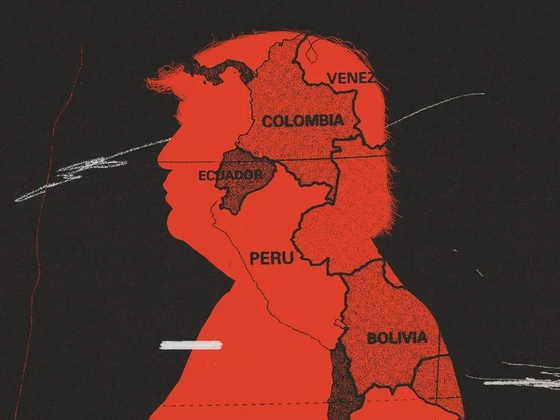
América Latina vuelve al tablero: por qué Estados Unidos volvió a pensar la región como prioridad
Latin America Returns to the Board: Why the United States Has Once Again Made the Region a Priority

¿Cómo financiamos una América Latina sostenible?
How could we finance a sustainable Latin America?