Carrera judicial... ¿en pisos pegajosos?
Judicial Career... on Sticky Floors?
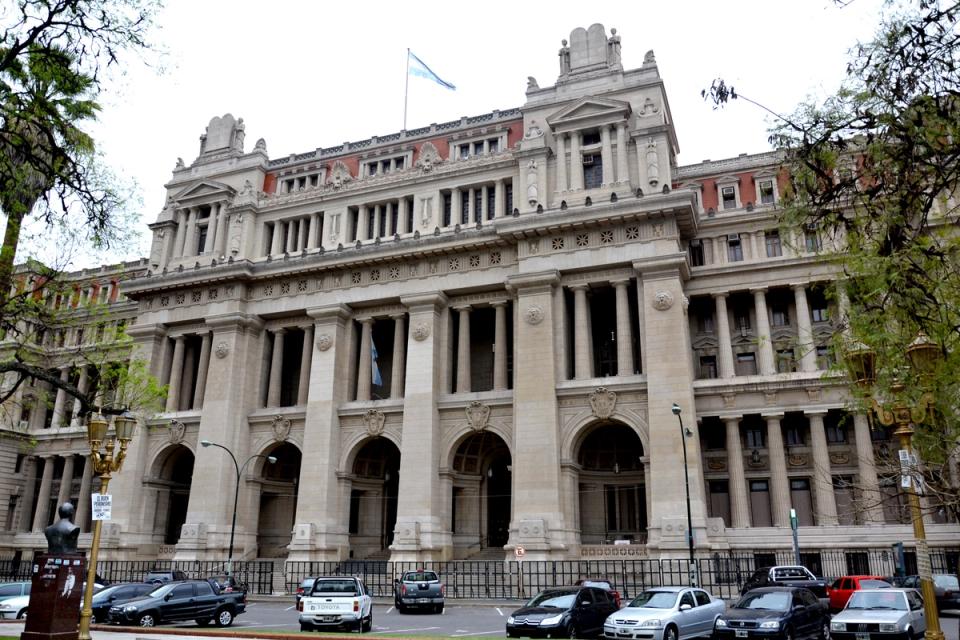

¿Puede una magistratura diversa transformar el sistema judicial? La representación de las mujeres en los altos cargos de la justicia argentina sigue siendo alarmantemente baja, a pesar de que conforman la mayoría del personal. A través de una evaluación crítica de las barreras invisibles que perpetúan esta desigualdad, este artículo explora cómo las mujeres enfrentan obstáculos únicos para avanzar en la carrera judicial. Desde la falta de perspectiva de género en los concursos hasta la ausencia de políticas inclusivas, se propone un cambio necesario para garantizar una justicia más equitativa y representativa.
Can a diverse judiciary transform the judicial system? The representation of women in the high-ranking positions of the Argentine justice system remains alarmingly low, despite the fact that they make up the majority of the staff. Through a critical evaluation of the invisible barriers that perpetuate this inequality, this article explores how women face unique obstacles to advancing in their judicial careers. From the lack of a gender perspective in selection competitions to the absence of inclusive policies, a necessary change is proposed to guarantee a fairer and more representative justice system.
El Poder Judicial puede ser un actor central en el proceso de democratización de la sociedad y el Estado argentino, desempeñando un rol clave en la protección de los derechos de la ciudadanía y de los intereses generales de la sociedad. Una magistratura diversa e igualitaria en términos de género es un prerrequisito fundamental para reconstruir la legitimidad democrática del Estado y tornar su organización más receptiva y sensible a la protección de los derechos de las mujeres (Techo de cristal en la justicia, Fundar).
La Oficina de la Mujer (OM) de la Corte Suprema de Justicia de la Nación publicó el 8 de marzo del corriente año una nueva versión del Mapa de Género de la Justicia Argentina. El documento releva la distribución de los cargos por género del sistema de justicia de nuestro país durante 2023.
Según dicho documento, si bien más de la mitad (57%) del plantel del sistema de justicia estuvo constituido por mujeres (74.680) y el 61% del funcionariado también lo era, ellas conformaban sólo el 29% de los cargos de ministras/os, procuradoras/es generales y defensoras/es generales.
"...más de la mitad (57%) del plantel del sistema de justicia estuvo constituido por mujeres (74.680) y el 61% del funcionariado también lo era, ellas conformaban sólo el 29% de los cargos de ministras/os, procuradoras/es generales y defensoras/es generales."
La situación descrita en el Mapa de Género revela una profunda contradicción: a pesar de que las mujeres constituyen una mayoría en el personal del sistema judicial, su representación en los altos cargos es alarmantemente baja.
Este fenómeno de segregación vertical se debe principalmente a que existen barreras invisibles no formales y legales que desalientan a las mujeres a competir para ocupar puestos de mayor jerarquía. En el estudio Techo de cristal en la justicia, se reconoce que una de las principales causas por las cuales las mujeres no acceden a los puestos más altos en la justicia se debe a la falta de perspectiva de género en los criterios de selección de jueces y juezas, lo que perpetúa la desigualdad de oportunidades. Este fenómeno también alcanza a las selecciones en el Ministerio Público Fiscal y en el de Defensa.
La carrera judicial se transita por la selección en concursos públicos y las reglas establecen que los candidatos deben demostrar una sólida trayectoria profesional, que incluye la aprobación de exámenes, experiencia en la Justicia, publicaciones académicas y formación avanzada. Estos requisitos pasan por alto la dificultad que representa para las mujeres equilibrar sus responsabilidades profesionales con la necesidad de cumplir con los requisitos académicos, especialmente si son madres. El estudio también pone en evidencia que no son tenidas en cuenta desigualdades estructurales, como por ejemplo, que las mujeres dedican el doble de tiempo a las tareas de cuidado o domésticas que los hombres. En conjunto, todas estas barreras operan como desincentivos a las mujeres a competir para ocupar puestos de mayor decisión y jerarquía.
Johanna Cristallo, directora del área de Justicia de Fundar, propone varias recomendaciones para mejorar la política pública en los procesos de selección, incluyendo la modificación de reglamentos para abordar las barreras sociales y culturales que enfrentan las mujeres, y el establecimiento de un cupo de género para equilibrar la representación. También sugiere dar mayor peso a los exámenes de oposición en el puntaje final, ya que las mujeres y los jóvenes suelen obtener mejores resultados. Enfatiza la importancia de generar evidencia empírica actualizada para monitorear la inscripción de mujeres en concursos, así como la necesidad de realizar campañas de comunicación para incentivarlas a participar. Finalmente, se plantea diseñar una política presupuestaria con perspectiva de género para la planificación y evaluación de estos concursos.
La falta de representación femenina en los niveles más altos del sistema no solo afecta la legitimidad de las decisiones judiciales, sino que también limita la capacidad del sistema para abordar de manera efectiva las problemáticas que enfrentan las mujeres en la sociedad. En este contexto, es crucial que se adopten medidas concretas para fomentar una magistratura más inclusiva, que no solo refleje la diversidad de la población, sino que también garantice una justicia más equitativa y sensible a las necesidades de todos los ciudadanos.
Juanita Goebertus, directora para las Américas de Human Rights Watch, señaló que “tener una Corte Suprema compuesta exclusivamente por hombres envía un mensaje preocupante a las muchas mujeres abogadas y académicas altamente calificadas de Argentina sobre su capacidad de acceder a posiciones destacadas en el poder judicial”.
The Judicial Branch can be a central actor in the democratization process of Argentine society and the State, playing a key role in the protection of citizens' rights and the general interests of society. A diverse and equal judiciary in terms of gender is a fundamental prerequisite to rebuilding the democratic legitimacy of the State and making its organization more receptive and sensitive to the protection of women's rights (Techo de cristal en la justicia, Fundar).
On March 8 of the current year, the Women's Office (Oficina de la Mujer - OM) of the Supreme Court of Justice of the Nation published a new version of the Gender Map of the Argentine Justice System. The document surveys the distribution of positions by gender within our country's justice system during 2023.
According to this document, although more than half (57%) of the justice system's workforce was made up of women (74,680) and 61% of the officials were also women, they accounted for only 29% of the positions of justices, attorneys general, and public defenders.
"...more than half (57%) of the justice system's workforce was made up of women (74,680) and 61% of the officials were also women, they accounted for only 29% of the positions of justices, attorneys general, and public defenders."
The situation described in the Gender Map reveals a profound contradiction: despite women constituting a majority of the personnel within the judicial system, their representation in high-ranking positions is alarmingly low.
This phenomenon of vertical segregation is mainly due to the existence of non-formal and legal invisible barriers that discourage women from competing for higher-hierarchy positions. In the study Techo de cristal en la justicia, it is recognized that one of the main causes for which women do not access the highest positions in justice is due to the lack of a gender perspective in the selection criteria for male and female judges, which perpetuates the inequality of opportunities. This phenomenon also extends to selections within the Public Prosecutor's Office and the Public Defender's Office.
The judicial career is navigated through selection in public competitions, and the rules establish that candidates must demonstrate a solid professional trajectory, which includes passing exams, experience in the Judiciary, academic publications, and advanced training. These requirements overlook the difficulty that balancing professional responsibilities with the need to meet academic requirements represents for women, especially if they are mothers. The study also highlights that structural inequalities are not taken into account, such as the fact that women dedicate twice as much time to caregiving or domestic tasks as men. Taken together, all these barriers operate as disincentives for women to compete for positions of greater decision-making power and hierarchy.
Johanna Cristallo, director of the Justice area at Fundar, proposes several recommendations to improve public policy in selection processes, including modifying regulations to address the social and cultural barriers that women face, and establishing a gender quota to balance representation. She also suggests giving greater weight to competitive exams in the final score, as women and young people tend to obtain better results. She emphasizes the importance of generating updated empirical evidence to monitor the registration of women in competitions, as well as the need to carry out communication campaigns to encourage them to participate. Finally, it is proposed to design a budget policy with a gender perspective for the planning and evaluation of these competitions.
The lack of female representation at the highest levels of the system not only affects the legitimacy of judicial decisions but also limits the system's capacity to effectively address the problems faced by women in society. In this context, it is crucial that concrete measures are adopted to foster a more inclusive judiciary, which not only reflects the diversity of the population but also guarantees a more equitable justice system that is sensitive to the needs of all citizens.
Juanita Goebertus, Americas director for Human Rights Watch, pointed out that "having a Supreme Court composed exclusively of men sends a worrying message to the many highly qualified women lawyers and academics in Argentina about their ability to access prominent positions in the judiciary."
Artículos relacionados
Related articles
Paradiplomacia y nuevas formas de inserción internacional en Argentina
Paradiplomacy and new forms of international insertion in Argentina
Mayor paridad política, ¿más beneficios para las mujeres?
More Political Parity, More Benefits for Women?