COP30 y justicia climática
COP30 and Climate Justice
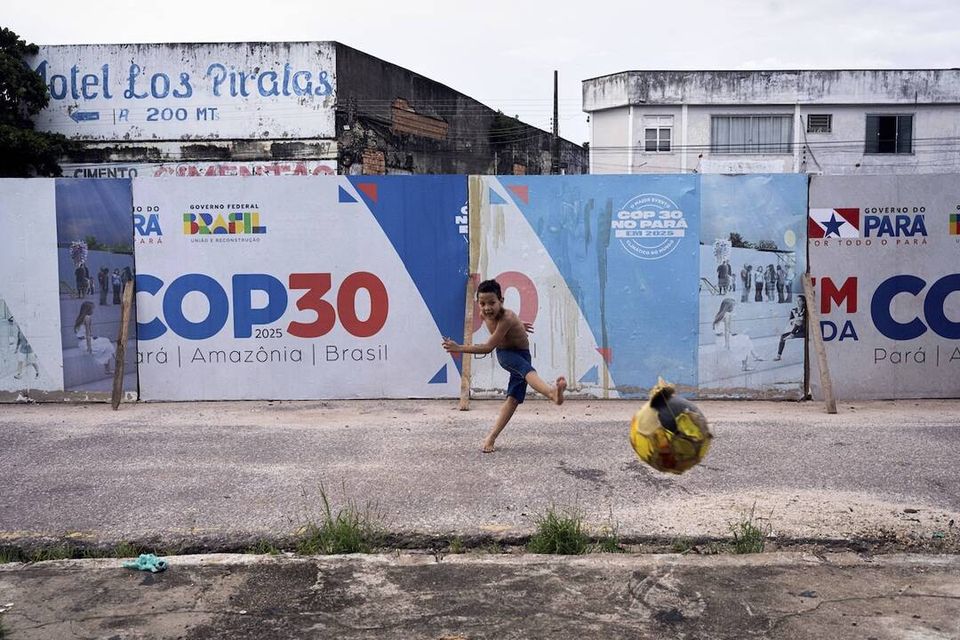

A pocos meses del inicio de la Conferencia de las Partes (COP) número 30, persisten las tensiones en torno a la distribución de responsabilidades entre países. Las diferencias históricas en emisiones, capacidades tecnológicas y acceso al financiamiento aumentan la percepción de inequidad en la respuesta colectiva al cambio climático. ¿Cómo lograr que la COP esté a la altura del desafío?
Just months before the start of the 30th Conference of the Parties (COP), tensions persist surrounding the distribution of responsibilities among countries. Historical differences in emissions, technological capacities, and access to financing increase the perception of inequity in the collective response to climate change. How can the COP be made to rise to the challenge?
En un orden internacional que apuesta por la eficacia del multilateralismo, la Convención Marco de las Naciones Unidas sobre el Cambio Climático representa un esfuerzo conjunto frente a la crisis climática. Con una membresía casi universal, propone un objetivo elevado: estabilizar las concentraciones de gases de efecto invernadero a un nivel que impida interferencias antropógenas (inducidas por el hombre) peligrosas en el sistema climático.
A pocos meses del inicio de la Conferencia de las Partes (COP) número 30, persisten las tensiones en torno a la distribución de responsabilidades entre países. Las diferencias históricas en emisiones, capacidades tecnológicas y acceso al financiamiento aumentan la percepción de inequidad en la respuesta colectiva al cambio climático.
Una realidad ineludible
Desde su primer informe en 1990, el Panel Intergubernamental sobre Cambio Climático, advierte a la comunidad internacional sobre la gravedad y la dimensión global de la crisis climática. En ese momento, el cambio climático se describía como un fenómeno potencialmente devastador que requería una respuesta coordinada.
Más de tres décadas después, los esfuerzos realizados no han logrado controlar la liberación de gases contaminantes. De hecho, entre 2010 y 2019 se registraron las mayores emisiones históricas de gases de efecto invernadero. Este incremento se produjo a pesar de la COP15 de Copenhague, considerada como la última oportunidad para lograr una acción climática global ambiciosa.
En este escenario, André Corrêa do Lago, presidente de la COP30, asegura que enfrentar la crisis exige un avance hacia un desarrollo sostenible, con transiciones justas y sociedades bajas en carbono y resilientes al clima. Sin embargo, ese objetivo solo es viable si se movilizan recursos suficientes y se reducen las desigualdades estructurales, tanto dentro de los países como entre ellos.
La responsabilidad ambiental
Las desigualdades en la distribución de responsabilidades climáticas son un reflejo de las relaciones de poder históricas del sistema internacional. Desde la revolución industrial, los países del Norte Global han acumulado riqueza mediante un modelo de desarrollo basado en la explotación intensiva de combustibles fósiles y recursos naturales, en gran parte provenientes del Sur global. Ello consolidó una deuda ecológica que hoy se traduce en impactos desiguales: los países que menos han contribuido a la crisis son quienes enfrentan sus consecuencias más significativas, con menores capacidades de adaptación y respuesta.
El principio de “Responsabilidades Comunes pero Diferenciadas” reconoce esta asimetría, pero no se ha traducido en un compromiso vinculante ni en un régimen que exija mayor responsabilidad a quienes más han contaminado. Las grandes potencias, como Estados Unidos o Rusia, se resisten a asumir compromisos proporcionales a su impacto histórico, mientras que las potencias emergentes del Sur Global (China, India o Brasil) se aferran a su estatus de países en desarrollo para evitar responsabilidades mayores, a pesar de su creciente volumen de emisiones.
En este escenario, los compromisos de financiamiento climático son postergados o incumplidos. Los fondos prometidos por los países desarrollados para apoyar la mitigación, adaptación y reparación de daños a los países más vulnerables no se han entregado con la escala y urgencia necesarias. Esta falta de voluntad política, combinada con las tensiones geopolíticas y los intereses económicos dominantes, obstaculiza la respuesta multilateral efectiva.
La Amazonia como escenario de los debates
La elección de Belém, Brasil, como sede de la COP30 no es solo histórica, sino profundamente política. La Amazonía es un ecosistema clave para la estabilidad climática del planeta, pero también un territorio atravesado por conflictos socioambientales, extractivismo y desigualdades persistentes. Al realizar la Conferencia climática más importante del mundo en este territorio, se visibiliza su relevancia ecológica, así como la necesidad de repensar la vinculación entre desarrollo, justicia y sostenibilidad.
En este contexto, el reciente dictamen de la Corte Internacional de Justicia, que afirma la existencia de obligaciones legales de los Estados para mitigar el cambio climático y proteger a las generaciones presentes y futuras, marca un hito en la lucha por la justicia climática. Aunque no es vinculante, refuerza los argumentos del Sur Global respecto a la exigencia de responsabilidades diferenciadas y del cumplimiento efectivo de los compromisos de financiamiento.
La COP30 no debe limitarse a ser un escenario de discursos bien intencionados. Su potencial transformador dependerá de la voluntad política de repensar el orden climático global y de abrir espacio a otras voces, narrativas y soluciones. En Belém, no solo se aborda la agenda ambiental, sino también el reconocimiento de la desigualdad estructural y la posibilidad de construir una justicia climática con perspectiva histórica y geopolítica.
In an international order that bets on the effectiveness of multilateralism, the United Nations Framework Convention on Climate Change represents a joint effort against the climate crisis. With a nearly universal membership, it proposes a lofty objective: to stabilize greenhouse gas concentrations at a level that would prevent dangerous anthropogenic (human-induced) interference with the climate system.
Just months before the start of the 30th Conference of the Parties (COP), tensions persist surrounding the distribution of responsibilities among countries. Historical differences in emissions, technological capacities, and access to financing increase the perception of inequity in the collective response to climate change.
An Unavoidable Reality
Since its first report in 1990, the Intergovernmental Panel on Climate Change has warned the international community about the gravity and global dimension of the climate crisis. At that time, climate change was described as a potentially devastating phenomenon that required a coordinated response.
More than three decades later, the efforts made have not managed to control the release of polluting gases. In fact, between 2010 and 2019, the highest historical emissions of greenhouse gases were recorded. This increase occurred despite COP15 in Copenhagen, which was considered the last opportunity to achieve an ambitious global climate action.
In this scenario, André Corrêa do Lago, president of COP30, asserts that facing the crisis demands progress toward sustainable development, with just transitions and low-carbon, climate-resilient societies. However, that objective is only viable if sufficient resources are mobilized and structural inequalities—both within and between countries—are reduced.
Environmental Responsibility
Inequalities in the distribution of climate responsibilities are a reflection of the historical power relations of the international system. Since the Industrial Revolution, the countries of the Global North have accumulated wealth through a development model based on the intensive exploitation of fossil fuels and natural resources, largely sourced from the Global South. This consolidated an ecological debt that today translates into unequal impacts: the countries that have contributed the least to the crisis are those facing its most significant consequences, with lesser capacities for adaptation and response.
The principle of “Common but Differentiated Responsibilities” recognizes this asymmetry, but it has not translated into a binding commitment or a regime that demands greater accountability from those who have polluted the most. Great powers, such as the United States or Russia, resist assuming commitments proportional to their historical impact, while emerging powers of the Global South (such as China, India, or Brazil) cling to their status as developing countries to avoid greater responsibilities, despite their growing volume of emissions.
In this scenario, climate finance commitments are postponed or unfulfilled. The funds promised by developed countries to support mitigation, adaptation, and loss and damage repairs for the most vulnerable countries have not been delivered with the necessary scale and urgency. This lack of political will, combined with geopolitical tensions and dominant economic interests, hinders an effective multilateral response.
The Amazon as the Setting for Debates
The choice of Belém, Brazil, as the host city for COP30 is not only historical but deeply political. The Amazon is a key ecosystem for the planet's climate stability, but it is also a territory traversed by socio-environmental conflicts, extractivism, and persistent inequalities. Hosting the world's most important climate conference in this territory visibilizes its ecological relevance, as well as the need to rethink the link between development, justice, and sustainability.
In this context, the recent advisory opinion of the International Court of Justice, which affirms the existence of legal obligations of States to mitigate climate change and protect present and future generations, marks a milestone in the struggle for climate justice. Although it is non-binding, it reinforces the arguments of the Global South regarding the demand for differentiated responsibilities and the effective fulfillment of financing commitments.
COP30 must not be limited to being a stage for well-intentioned speeches. Its transformative potential will depend on the political will to rethink the global climate order and to make room for other voices, narratives, and solutions. In Belém, it is not only the environmental agenda that is addressed, but also the recognition of structural inequality and the possibility of building climate justice with a historical and geopolitical perspective.
Artículos relacionados
Related articles
América Latina vuelve al tablero: por qué Estados Unidos volvió a pensar la región como prioridad
Latin America Returns to the Board: Why the United States Has Once Again Made the Region a Priority

¿Cómo financiamos una América Latina sostenible?
How could we finance a sustainable Latin America?