El uso de la inteligencia artificial en el ámbito educativo
The use of artificial intelligence in the educational field
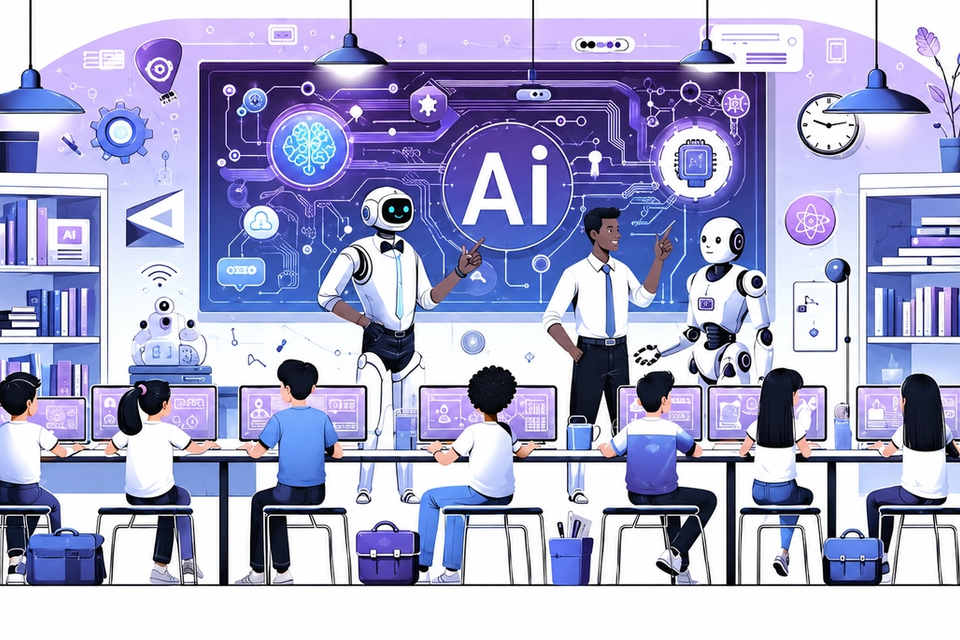

En la era de la inteligencia artificial, las aulas enfrentan una revolución sin precedentes: ¿puede el profesor seguir siendo relevante en un mundo donde ChatGPT y otras herramientas transforman el aprendizaje? Este artículo explora los retos y oportunidades que la IA presenta para estudiantes y docentes, abogando por un equilibrio entre tecnología y pensamiento crítico. Descubra por qué adaptar los modelos educativos tradicionales no es solo una opción, sino una necesidad para el futuro.
In the era of artificial intelligence, classrooms are facing an unprecedented revolution: can teachers remain relevant in a world where ChatGPT and other tools are transforming learning? This article explores the challenges and opportunities that AI presents for students and teachers, advocating for a balance between technology and critical thinking. Discover why adapting traditional educational models is not just an option, but a necessity for the future.
En el contexto actual de las aulas, el profesor ya no es la última fuente de información. La Inteligencia Artificial (IA) está al alcance de cualquier alumno, transformando profundamente el ámbito educativo. Esta tecnología ha llegado para quedarse, facilitando actividades que antes requerían exclusivamente del intelecto humano. Sin embargo, su uso genera tensiones, especialmente en relación con el cambio de rol del docente y su utilización como herramienta para realizar tareas por parte de los estudiantes.
Es natural inclinarse hacia el camino más fácil. Por ello, no sorprende que los alumnos recurran a la IA generativa, como el popular ChatGPT, para completar sus tareas. Este fenómeno ha encendido las alarmas sobre una posible dependencia excesiva de la IA, lo que podría limitar el desarrollo de habilidades intelectuales y prácticas. Bajo los modelos educativos tradicionales, el uso indiscriminado de estas tecnologías puede representar un obstáculo para fomentar la reflexión y el análisis profundo.
Sin embargo, es fundamental entender que la IA es un recurso tentador y, en muchos casos, inevitable. En lugar de prohibir su uso, resulta crucial implementar nuevas técnicas de evaluación que promuevan el pensamiento crítico y la capacidad de análisis, integrando la IA como una herramienta más en el proceso de aprendizaje.
Esta integración no solo beneficia a los estudiantes, sino también a los profesores, quienes pueden utilizar la IA en su favor. Por ejemplo, la implementación de herramientas basadas en IA podría facilitar dinámicas de evaluación más interactivas y personalizadas, ayudando a los docentes a enfrentar los desafíos actuales.
En este nuevo contexto, el rol del profesor debe transformarse. Más que transmitir información de manera enciclopédica, los docentes deben acompañar e incentivar el análisis crítico, la autenticidad y el pensamiento independiente. Es esencial que las aulas se conviertan en espacios de confianza, donde los alumnos se sientan motivados a ir más allá de lo que ofrece la IA y a desarrollar habilidades humanas únicas.
Por supuesto, todo proceso de cambio y evolución genera cuestionamientos. Reconocer que “la IA llegó para quedarse” implica aceptar que esta tecnología revolucionará el futuro de la educación. Ante esta nueva realidad, resulta imprescindible abandonar modelos educativos obsoletos y adaptarse a las posibilidades que estas herramientas ofrecen. Porque, en última instancia, ¿qué sentido tiene quedarse estancado en el pasado cuando el futuro ya está aquí?
In the current classroom context, the teacher is no longer the ultimate source of information. Artificial Intelligence (AI) is within reach of any student, profoundly transforming the educational field. This technology is here to stay, facilitating activities that previously required exclusively human intellect. However, its use generates tensions, especially regarding the changing role of the teacher and its use by students as a tool to complete assignments.
It is natural to lean toward the easiest path. Therefore, it is not surprising that students resort to generative AI, such as the popular ChatGPT, to complete their homework. This phenomenon has raised alarms about a potential excessive dependence on AI, which could limit the development of intellectual and practical skills. Under traditional educational models, the indiscriminate use of these technologies can represent an obstacle to fostering reflection and deep analysis.
However, it is essential to understand that AI is a tempting and, in many cases, inevitable resource. Instead of prohibiting its use, it is crucial to implement new assessment techniques that promote critical thinking and analytical capacity, integrating AI as one more tool in the learning process.
This integration not only benefits students but also teachers, who can use AI to their advantage. For example, the implementation of AI-based tools could facilitate more interactive and personalized assessment dynamics, helping teachers face current challenges.
In this new context, the teacher's role must transform. Rather than transmitting information in an encyclopedic manner, teachers must guide and encourage critical analysis, authenticity, and independent thinking. It is essential that classrooms become spaces of trust, where students feel motivated to go beyond what AI offers and develop unique human skills.
Of course, every process of change and evolution raises questions. Recognizing that "AI is here to stay" implies accepting that this technology will revolutionize the future of education. Faced with this new reality, it is essential to abandon obsolete educational models and adapt to the possibilities that these tools offer. Because, ultimately, what is the point of being stuck in the past when the future is already here?
Artículos relacionados
Related articles

El potencial argentino en la cadena del litio
Value addition in the lithium chain: Argentina's great potential

Tecnologías críticas y competencia global: ¿qué lugar ocupa Argentina?
Critical technologies and global competition: where does Argentina stand?