Energía nuclear e inteligencia artificial: una alianza estratégica para el siglo XXI
Nuclear Energy and Artificial Intelligence: A Strategic Alliance for the 21st Century
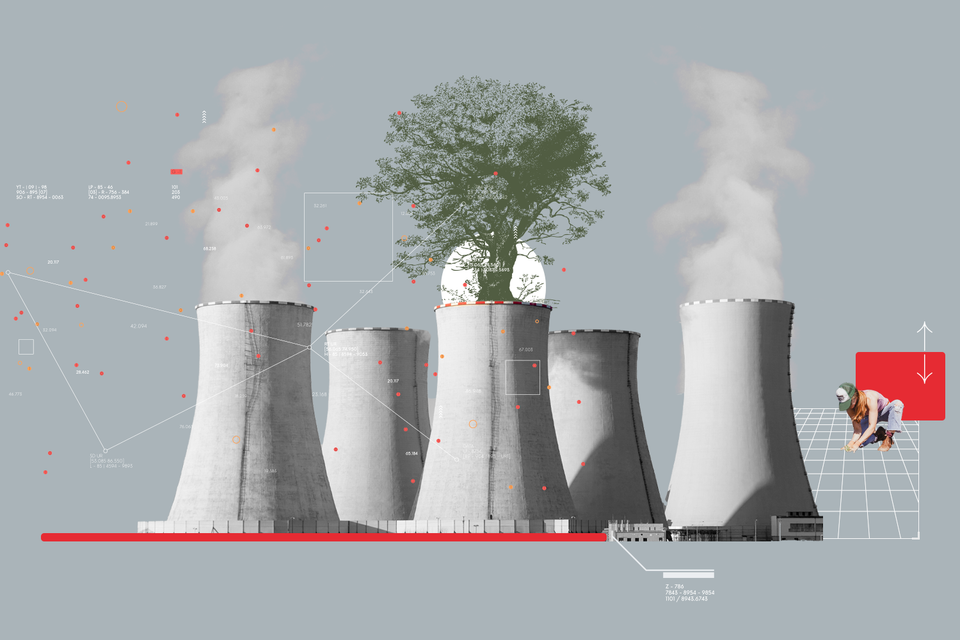

El avance de la inteligencia artificial ha renovado el interés mundial por la energía nuclear. Sus aplicaciones mejoran la eficiencia, seguridad y gestión de los reactores. Simultáneamente, la creciente demanda eléctrica de los sistemas de IA impulsa a gobiernos y empresas a reconsiderar la energía nuclear como una fuente estable de energía libre de emisiones de carbono. Sin embargo, el desarrollo nuclear avanza a un ritmo más lento que la expansión de los datacenters, lo que genera tensiones entre la urgencia tecnológica y los plazos energéticos.
The advancement of artificial intelligence has renewed global interest in nuclear energy. Its applications enhance the efficiency, safety, and management of reactors. Simultaneously, the growing electricity demand of AI systems drives governments and corporations to reconsider nuclear energy as a stable source of carbon-free energy. However, nuclear development progresses at a slower pace than the expansion of data centers, generating tensions between technological urgency and energy timelines.
La IA atraviesa una expansión sin precedentes. Sus desarrollos exigen una capacidad eléctrica cada vez mayor. Según Goldman Sachs, la demanda energética de los datacenterspodría crecer hasta un 165 % para 2030. Solo en Estados Unidos, se prevé que consuman más de 400 teravatios-hora anuales.
Esta presión sobre los recursos energéticos convierte al suministro eléctrico en un punto crítico. Sostener la expansión de la IA sin aumentar las emisiones de carbono ni depender de fuentes intermitentes es un desafío central. En este contexto, la energía nuclear reaparece como una opción estratégica: produce electricidad estable, continua y libre de emisiones.
Las grandes tecnológicas ya avanzan en esta dirección. Google, Amazon y Meta firmaron acuerdos de compra de energía nuclear e invierten en reactores avanzados para cumplir sus compromisos climáticos. Algunas iniciativas incluyen la reapertura de plantas existentes y la financiación de reactores modulares pequeños (SMR), más rápidos y seguros de construir.
Estas alianzas redefinen la forma en que las empresas tecnológicas gestionan su demanda energética, pero su implementación enfrenta desafíos de escala y tiempo. La IA avanza más rápido que la infraestructura que necesita para sostenerse. Esto plantea interrogantes sobre cómo compatibilizar innovación digital y transición energética.
El tiempo como obstáculo estructural
Aunque la energía nuclear gana terreno en la agenda global, su desarrollo no logra seguir el ritmo acelerado de la inteligencia artificial. Construir un reactor puede demorar entre seis y ocho años, en tanto que un datacenter se instala en menos de uno. Esta diferencia genera una brecha temporal difícil de resolver. La IA demanda energía inmediata, mientras que las soluciones nucleares requieren décadas de planificación, licencias y pruebas de seguridad.
En este escenario, los SMR se presentan como una opción más flexible y de menor complejidad, capaz de acelerar la expansión nuclear. Sin embargo, la mayoría de los proyectos se encuentran en etapas de diseño o licenciamiento inicial. Google, por ejemplo, firmó un acuerdo con Kairos Power para desarrollar reactores de sales fundidas que podrían entrar en funcionamiento recién en 2030.
Frente a esta demora, algunas empresas optan por aprovechar la infraestructura existente. Microsoft apoya la reapertura de Three Mile Island, mientras Meta cerró un acuerdo con Constellation Energy para obtener más de 1.100 megavatios de energía nuclear libre de carbono. No obstante, sólo un número reducido de plantas puede reactivarse o extender su vida útil. Estas limitaciones generan que el gas natural y las energías renovables se mantengan como alternativas más realistas a corto plazo.
Hacia un progreso sostenible
La expansión de la inteligencia artificial redefine el consumo energético global y exige sostener la innovación tecnológica sin agravar la crisis climática. La energía nuclear se perfila como una pieza clave de esta nueva infraestructura energética, pero su desarrollo avanza a un ritmo que no logra cubrir la creciente demanda.
Ninguna fuente de energía representa por sí sola una solución definitiva. El gas natural y las energías renovables seguirán teniendo un papel esencial. En lugar de competir, deberían integrarse en un enfoque común que compatibilice el crecimiento de los datacenters con un consumo energético responsable. Alcanzar ese equilibrio dependerá de políticas coherentes, cooperación internacional y planificación a largo plazo. En última instancia, el verdadero reto del siglo XXI será lograr que la inteligencia artificial contribuya a un progreso sostenible, orientado a ampliar nuestras capacidades sin comprometer los recursos existentes.
AI is undergoing an unprecedented expansion. Its developments demand an ever-increasing electrical capacity. According to Goldman Sachs, the energy demand of data centers could grow up to 165% by 2030. In the United States alone, they are projected to consume more than 400 terawatt-hours annually.
This pressure on energy resources turns the electricity supply into a critical flashpoint. Sustaining the expansion of AI without increasing carbon emissions or relying on intermittent sources is a central challenge. In this context, nuclear energy re-emerges as a strategic option: it produces stable, continuous, and emission-free electricity.
Big Tech corporations are already moving in this direction. Google, Amazon, and Meta have signed nuclear power purchase agreements and are investing in advanced reactors to meet their climate commitments. Some initiatives include reopening existing plants and financing Small Modular Reactors (SMRs), which are faster and safer to construct.
These alliances redefine how tech companies manage their energy demand, but their implementation faces challenges of scale and time. AI advances faster than the infrastructure required to sustain it. This raises questions about how to reconcile digital innovation and the energy transition.
Time as a structural obstacle
Although nuclear energy is gaining ground on the global agenda, its development cannot keep pace with the accelerated rhythm of artificial intelligence. Building a reactor can take between six and eight years, whereas a data center can be set up in less than one. This discrepancy creates a time gap that is difficult to bridge. AI demands immediate energy, while nuclear solutions require decades of planning, licensing, and safety testing.
In this scenario, SMRs present themselves as a more flexible and less complex option, capable of accelerating nuclear expansion. However, most projects are currently in design or initial licensing stages. Google, for instance, signed an agreement with Kairos Power to develop molten-salt reactors that might only become operational by 2030.
Faced with this delay, some companies choose to leverage existing infrastructure. Microsoft is backing the reopening of Three Mile Island, while Meta closed a deal with Constellation Energy to secure more than 1,100 megawatts of carbon-free nuclear energy. Nevertheless, only a small number of plants can be reactivated or have their lifespans extended. These limitations mean that natural gas and renewable energies will remain more realistic alternatives in the short term.
Toward sustainable progress
The expansion of artificial intelligence is redefining global energy consumption and demands sustaining technological innovation without aggravating the climate crisis. Nuclear energy emerges as a key piece of this new energy infrastructure, but its development progresses at a pace that cannot cover the surging demand.
No single energy source represents a definitive solution on its own. Natural gas and renewable energies will continue to play an essential role. Instead of competing, they should be integrated into a common approach that reconciles the growth of data centers with responsible energy consumption. Achieving that balance will depend on coherent policies, international cooperation, and long-term planning. Ultimately, the true challenge of the 21st century will be ensuring that artificial intelligence contributes to sustainable progress, oriented toward expanding our capabilities without compromising existing resources.
Artículos relacionados
Related articles
¿Cómo financiamos una América Latina sostenible?
How could we finance a sustainable Latin America?
El potencial argentino en la cadena del litio
Value addition in the lithium chain: Argentina's great potential