Reforma de la Ley de Glaciares, ¿avance productivo o retroceso ambiental?
Glacier Law Reform: productive advancement or environmental setback?
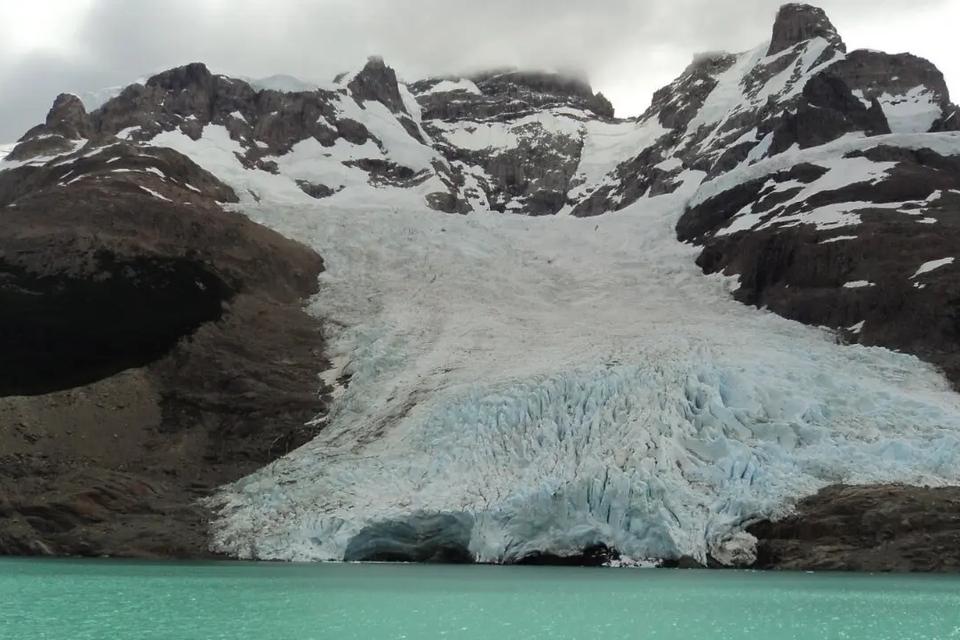

Tras la reciente aprobación de la reforma de la Ley de Glaciares en la Cámara de Diputados de la Nación, se reavivó la tensión entre el desarrollo productivo y la protección ambiental. La reforma impulsada por el poder ejecutivo propone flexibilizar los presupuestos de protección ambiental a favor de ciertas actividades productivas. Esta iniciativa genera en diversos sectores sociales y ambientales, un rechazo creciente, manifestándose a través de protestas. La preocupación central de estos grupos gira en torno al posible impacto que estas reformas podrían llegar a tener en las reservas estratégicas de agua de nuestro país. En este marco, el interrogante central es: ¿puede el avance de un modelo productivista compatibilizarse con la defensa ambiental?
Following the recent approval of the Glacier Law reform in the National Chamber of Deputies, the tension between productive development and environmental protection has reignited. The reform, driven by the executive branch, proposes to flexibilize environmental protection standards in favor of certain productive activities. This initiative has sparked growing rejection and protests across various social and environmental sectors. The central concern of these groups revolves around the potential impact these reforms could have on our country's strategic water reserves. Within this framework, the key question is: can the advancement of a productivist model be compatible with environmental defense?
La reforma de la Ley de Glaciares vuelve a colocar en el centro del debate una problemática que en Argentina aparece de manera recurrente: cómo compatibilizar el crecimiento económico y el aprovechamiento de los recursos naturales con la obligación de proteger el ambiente. Mientras que los glaciares y el ambiente periglacial constituyen reservas estratégicas de agua dulce, también son protagonistas en la generación de energía y la producción agrícola.
La normativa vigente sancionada en el año 2010, estableció los presupuestos mínimos para la preservación de los glaciares y del ambiente periglacial. La norma protege estas áreas al considerarlas reservas estratégicas de recursos hídricos. Por este motivo, prohíbe actividades de explotación minera o industriales que puedan generar un daño irreversible en ellas. Es por estas razones que la Ley de Glaciares es considerada como uno de los instrumentos más importantes de protección ambiental de nuestro país.
La reforma de la Ley: nuevas responsabilidades y conflictos
La reforma actualmente impulsada por el Poder Ejecutivo, no sólo plantea una modificación en los criterios de protección de los glaciares y el ambiente periglacial, sino también una redistribución de las responsabilidades de monitoreo y control ambiental. El cambio central consiste en otorgar mayores atribuciones a las provincias para determinar qué organismos o funcionarios serán competentes para identificar estas zonas.
Desde la mirada del gobierno y de los sectores productivos, esta modificación permitiría construir un marco normativo más claro y favorable para el desarrollo económico. Sus defensores afirman que una regulación restrictiva puede colocar a la Argentina en desventaja frente a inversiones extranjeras, mientras que un marco normativo más flexible podría volver al país más competitivo.
Sin embargo, las críticas advierten que la reforma podría debilitar los presupuestos mínimos de protección ambiental. El cuestionamiento principal es que si cada provincia adquiere mayor margen para definir las áreas protegidas, podría reducirse el alcance de la protección actualmente vigente.
La controversia no se limita a una discusión técnica sobre la delimitación de los glaciares. También expresa una tensión más profunda entre las actividades productivas y el principio de no regresividad ambiental. Las protestas en contra de la reforma alegan que el deterioro del ambiente glaciar afectaría también la disponibilidad futura de agua potable, un recurso cada vez más escaso a nivel mundial.
En ese sentido, las movilizaciones frente al Congreso reflejan una demanda social que excede al contenido específico de la reforma, ya que se vincula con la percepción de que ciertas decisiones públicas priorizan intereses económicos sobre los derechos colectivos.
Al fin y al cabo, la reforma de la Ley de Glaciares siembra un interrogante que atraviesa a la Argentina: hasta qué punto es posible impulsar políticas de crecimiento económico en recursos naturales sin comprometer el patrimonio ambiental. Para encontrar una respuesta, se requerirá diálogo efectivo entre el Estado, el sector productivo y la sociedad civil.
The reform of the Glacier Law once again places at the center of debate a recurring issue in Argentina: how to reconcile economic growth and the utilization of natural resources with the obligation to protect the environment. While glaciers and the periglacial environment constitute strategic reserves of freshwater, they are also key players in energy generation and agricultural production.
The current legislation, enacted in 2010, established the minimum standards for the preservation of glaciers and the periglacial environment. The law protects these areas by considering them strategic water resource reserves. For this reason, it prohibits mining exploitation or industrial activities that could cause irreversible damage to them. It is due to these reasons that the Glacier Law is considered one of the most important environmental protection instruments in our country.
The Law's reform: new responsibilities and conflicts
The reform currently driven by the Executive Branch proposes not only a modification in the protection criteria for glaciers and the periglacial environment, but also a redistribution of environmental monitoring and control responsibilities. The central change consists of granting greater authority to the provinces to determine which agencies or officials will be competent to identify these zones.
From the perspective of the government and productive sectors, this modification would allow for the construction of a clearer and more favorable regulatory framework for economic development. Its defenders argue that a restrictive regulation can put Argentina at a disadvantage regarding foreign investments, whereas a more flexible regulatory framework could make the country more competitive.
However, critics warn that the reform could weaken the minimum standards of environmental protection. The main objection is that if each province gains greater leeway to define protected areas, the scope of the protection currently in force could be reduced.
In that sense, the controversy is not limited to a technical discussion about glacier delimitation. It also expresses a deeper tension between productive activities and the principle of environmental non-regression. Protests against the reform argue that the degradation of the glacier environment would also affect the future availability of drinking water, an increasingly scarce resource worldwide.
In this regard, the mobilizations in front of Congress reflect a social demand that goes beyond the specific content of the reform, as it is linked to the perception that certain public decisions prioritize economic interests over collective rights.
Ultimately, the reform of the Glacier Law raises a question that runs through Argentina: to what extent is it possible to promote economic growth policies based on natural resources without compromising the environmental heritage. To find an answer, effective dialogue will be required among the State, the productive sector, and civil society.
Artículos relacionados
Related articles

¿Cómo financiamos una América Latina sostenible?
How could we finance a sustainable Latin America?
Hidrógeno verde: el desafío de convertir el potencial de Argentina en desarrollo
Green Hydrogen: The Challenge of Turning Argentina's Potential into Development