Brasil ante el Acuerdo UE-Mercosur: entre la integración comercial y la soberanía ambiental
Brazil and the EU-Mercosur Agreement: between commercial integration and environmental sovereignty
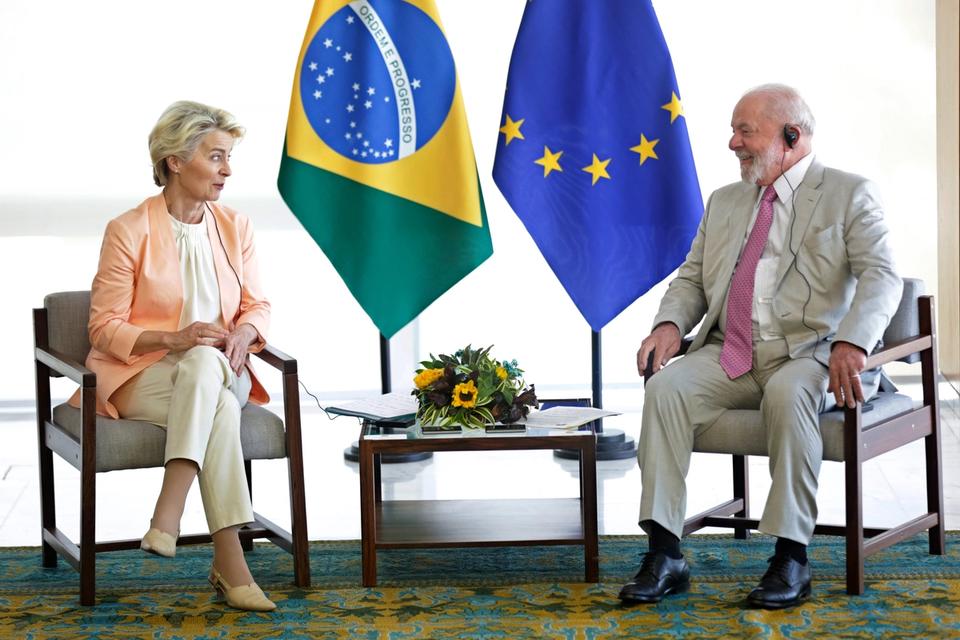

Tras más de dos décadas de negociaciones, el Acuerdo entre la Unión Europea y el MERCOSUR representa un desafío estratégico para Brasil. Como economía líder del bloque sudamericano y custodio de la Amazonía, el país debe elegir entre dos caminos: aceptar compromisos ambientales que Europa condiciona para la ratificación del tratado, o defender su autonomía en materia de políticas de desarrollo y uso de recursos naturales. ¿Cómo responderá Brasilia a los estándares ambientales más estrictos mientras protege sus intereses nacionales?
After more than two decades of negotiations, the Agreement between the European Union and MERCOSUR represents a strategic challenge for Brazil. As the leading economy of the South American bloc and custodian of the Amazon, the country must choose between two paths: accepting environmental commitments that Europe conditions for the ratification of the treaty, or defending its autonomy regarding development policies and the use of natural resources. How will Brasilia respond to stricter environmental standards while protecting its national interests?
En el contexto actual del Acuerdo UE-MERCOSUR, las exigencias ambientales constituyen el principal obstáculo para la implementación del acuerdo. Estas incluyen compromisos sobre deforestación, la trazabilidad de productos agrícolas y el cumplimiento de metas climáticas internacionales. Estas condiciones generan tensiones entre actores políticos, económicos y sociales dentro de Brasil. Por un lado, organizaciones ambientalistas advierten que el acuerdo podría aumentar la deforestación en la Amazonía y elevar las emisiones globales. Por otro lado, sectores productivos brasileños sostienen que los estándares europeos no contemplan las características del sistema productivo brasileño. En este escenario, el gobierno de Lula da Silva ha adoptado una estrategia de negociación.
Brasil no enfrenta una elección binaria entre integración comercial y soberanía ambiental, sino que busca redefinir los estándares ambientales como parte de su estrategia de inserción internacional. A través de su política exterior, el gobierno de Lula intenta compatibilizar las demandas europeas con sus intereses de desarrollo, utilizando espacios como la relación bilateral con Francia y la organización de la COP30 para fortalecer su margen de negociación.
La visita de Lula a Francia: Autonomía y límites en la negociación
La visita de Luiz Inácio Lula da Silva a Francia en junio de 2025 permite observar cómo Brasil aplica su estrategia en el plano bilateral. El encuentro con Emmanuel Macron se dio en un contexto marcado por desacuerdos persistentes sobre el Acuerdo entre la Unión Europea y el Mercosur. Mientras Lula impulsó la ratificación, Francia mantuvo objeciones vinculadas al impacto ambiental y a la protección de su sector agrícola. En este escenario, Lula defendió el acuerdo como una herramienta para sostener el comercio internacional y apeló a una relación bilateral con Francia para destrabar el proceso. Esta postura refleja un intento de ampliar los márgenes de acción sin romper con los marcos de cooperación existentes.
Sin embargo, las diferencias persisten. Francia continúa exigiendo garantías ambientales más estrictas y mecanismos de protección para sus productores, lo que limita las posibilidades de ratificar un acuerdo inmediato. Al mismo tiempo, Brasil sostiene que no renunciará a recursos considerados estratégicos para su desarrollo, incluso cuando estos generan tensiones con las agendas ambientales europeas.
Lejos de ser una dicotomía entre aceptación o rechazo, este episodio muestra cómo Brasil busca ejercer su autonomía en un contexto de dependencia. La negociación con Francia no elimina las asimetrías pero evidencia la capacidad del país para disputar los términos del acuerdo sin abandonar el espacio de diálogo.
La COP30 en Brasil: liderazgo climático y proyección internacional
La organización de la COP 30 en la ciudad de Belém refuerza esta estrategia al proyectar a Brasil como un actor relevante en la agenda climática global. La cumbre reúne a casi 200 países para definir nuevas metas de reducción de emisiones, financiamiento climático y adaptación. En este contexto, el gobierno brasileño impulsó la elección del Amazonas como sede para ubicar la cuestión forestal en el centro del debate internacional.Este evento incrementa la visibilidad de Brasil como articulador de consensos en un escenario de creciente fragmentación global.
Sin embargo, esta proyección también expone tensiones. Brasil busca posicionarse como líder climático, pero enfrenta cuestionamientos sobre su capacidad para sostener ese compromiso en el tiempo. La propia elección de Amazonas como sede funciona como una señal de compromiso y como recordatorio de los desafíos estructurales que enfrenta el país. En este sentido, que la sede de la COP30 sea en el Amazonas funciona como un recordatorio de los desafíos estructurales del país. Sin embargo, ser un líder climático refuerza su capacidad de negociación con la Unión Europea.
Implicancias para el MERCOSUR y la inserción internacional de la región
La estrategia adoptada por Brasil tiene efectos directos sobre el MERCOSUR. Como principal economía del bloque, define el ritmo de las negociaciones externas, de manera que Brasil no alimenta solo a su pueblo, alimenta al mundo. La combinación entre el diálogo bilateral y la participación en foros globales amplía su capacidad de incidencia. En este contexto, el Acuerdo deja de ser solo un instrumento comercial y pasa a formar parte de una discusión sobre reglas productivas y estándares ambientales. Esto impacta en el resto de los países del bloque, que cuentan con menor margen de negociación.
Al mismo tiempo, esta dinámica plantea desafíos para América Latina. La región debe integrarse a mercados internacionales con requisitos cada vez más exigentes, sin perder el control sobre sus políticas de desarrollo. En este escenario, la posición de Brasil puede funcionar como referencia para otros países al mostrar una estrategia que combina cooperación, negociación y defensa de intereses propios. Sin embargo, las asimetrías internas del bloque y la falta de una postura común limitan la posibilidad de construir una respuesta regional coordinada frente a actores como la Unión Europea. Más que una elección entre integración o autonomía, lo que está en juego es la posibilidad de redefinir los términos de esa integración en un sistema internacional cada vez más exigente.
In the current context of the EU-MERCOSUR Agreement, environmental demands constitute the main obstacle to the implementation of the accord. These include commitments on deforestation, the traceability of agricultural products, and compliance with international climate goals. These conditions generate tensions among political, economic, and social actors within Brazil. On one hand, environmental organizations warn that the agreement could increase deforestation in the Amazon and raise global emissions. On the other hand, Brazilian productive sectors maintain that European standards do not take into account the characteristics of the Brazilian productive system. In this scenario, the government of Lula da Silva has adopted a negotiation strategy.
Brazil does not face a binary choice between commercial integration and environmental sovereignty, but rather seeks to redefine environmental standards as part of its international insertion strategy. Through its foreign policy, Lula's government attempts to reconcile European demands with its development interests, utilizing spaces such as the bilateral relationship with France and the organization of COP30 to strengthen its bargaining power.
Lula's visit to France: Autonomy and limits in negotiation
Luiz Inácio Lula da Silva's visit to France in June 2025 shows how Brazil applies its strategy at the bilateral level. The meeting with Emmanuel Macron took place in a context marked by persistent disagreements over the Agreement between the European Union and Mercosur. While Lula pushed for ratification, France maintained objections linked to environmental impact and the protection of its agricultural sector. In this scenario, Lula defended the agreement as a tool to sustain international trade and appealed to a bilateral relationship with France to unblock the process. This stance reflects an attempt to expand the margins of action without breaking away from existing cooperation frameworks.
However, differences persist. France continues to demand stricter environmental guarantees and protection mechanisms for its producers, which limits the possibilities for an immediate ratification of the agreement. At the same time, Brazil maintains that it will not renounce resources considered strategic for its development, even when these generate tensions with European environmental agendas.
Far from being a dichotomy between acceptance or rejection, this episode shows how Brazil seeks to exercise its autonomy in a context of dependence. The negotiation with France does not eliminate asymmetries but demonstrates the country's capacity to contest the terms of the agreement without abandoning the space for dialogue.
COP30 in Brazil: climate leadership and international projection
The organization of COP30 in the city of Belém reinforces this strategy by projecting Brazil as a relevant actor on the global climate agenda. The summit brings together nearly 200 countries to define new emission reduction targets, climate financing, and adaptation. In this context, the Brazilian government pushed for the choice of the Amazon as the host venue to place the forestry issue at the center of the international debate. This event increases Brazil's visibility as an articulator of consensus in a scenario of growing global fragmentation.
However, this projection also exposes tensions. Brazil seeks to position itself as a climate leader but faces questioning regarding its ability to sustain that commitment over time. The choice of the Amazon itself as the host venue functions both as a sign of commitment and as a reminder of the country's structural challenges. In this sense, having the COP30 venue in the Amazon serves as a reminder of the country's structural challenges. Nevertheless, being a climate leader reinforces its negotiating capacity with the European Union.
Implications for MERCOSUR and the region's international insertion
The strategy adopted by Brazil has direct effects on MERCOSUR. As the bloc's main economy, it sets the pace of external negotiations, meaning that Brazil does not only feed its own people, it feeds the world. The combination of bilateral dialogue and participation in global forums expands its capacity for influence. In this context, the Agreement ceases to be merely a commercial instrument and becomes part of a discussion on productive rules and environmental standards. This impacts the rest of the countries in the bloc, which have less bargaining power.
At the same time, this dynamic poses challenges for Latin America. The region must integrate into international markets with increasingly demanding requirements without losing control over its development policies. In this scenario, Brazil's position can function as a reference for other countries by showing a strategy that combines cooperation, negotiation, and the defense of one's own interests. However, the internal asymmetries of the bloc and the lack of a common stance limit the possibility of building a coordinated regional response against actors such as the European Union. More than a choice between integration or autonomy, what is at stake is the possibility of redefining the terms of that integration in an increasingly demanding international system.
Artículos relacionados
Related articles
América Latina vuelve al tablero: por qué Estados Unidos volvió a pensar la región como prioridad
Latin America Returns to the Board: Why the United States Has Once Again Made the Region a Priority

¿Cómo financiamos una América Latina sostenible?
How could we finance a sustainable Latin America?