La Ley de Glaciares y su propuesta de modificación: ¿qué significa este cambio?
The Glacier Law and Its Proposed Modification: what does this change mean?
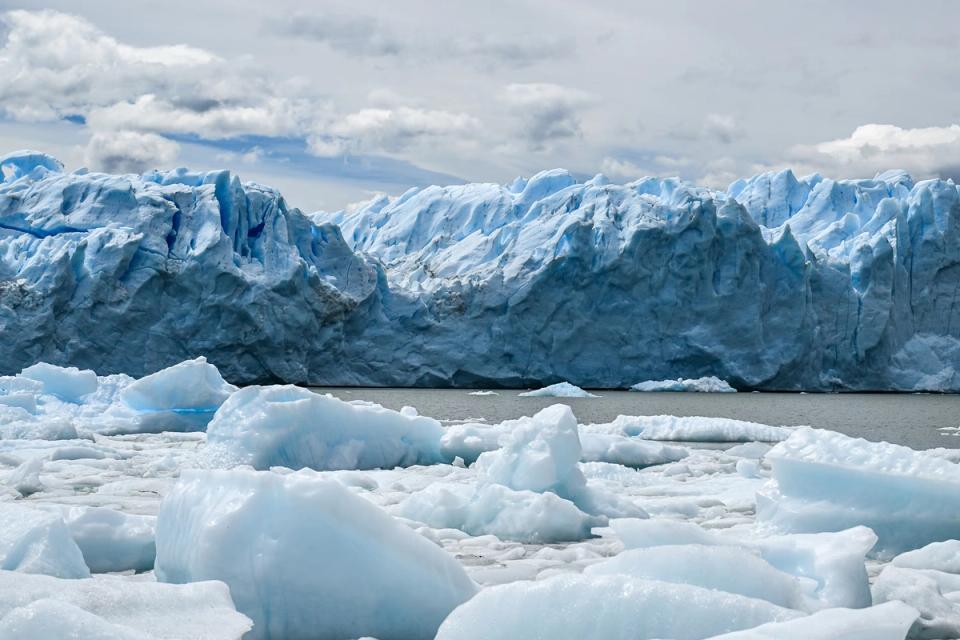

La modificación a la Ley de Glaciares argentina obtuvo la media sanción de la Cámara de Senadores el pasado febrero. Con ella se pretende generar un texto legal más claro y otorgar mayores atribuciones a las provincias en materia ambiental en pos del desarrollo económico. Sin embargo, este objetivo encubre un posible debilitamiento de los presupuestos mínimos de protección de los glaciares y ambiente periglaciar. Particularmente, la nueva ley permitiría reducir el área protegida y otorgaría a las provincias la facultad de determinar estas áreas, competencia actualmente reservada para el poder nacional. ¿Qué cambios trae aparejada esta propuesta? ¿Cómo impacta en el destino de los glaciares y del ambiente?
The amendment to the Argentine Glacier Law obtained partial approval (media sanción) from the Chamber of Senators last February. It aims to generate a clearer legal text and grant greater powers to the provinces regarding environmental matters in pursuit of economic development. However, this objective conceals a potential weakening of the minimum standards for protecting glaciers and the periglacial environment. Particularly, the new law would allow for a reduction of the protected area and would grant provinces the authority to determine these areas—a competence currently reserved for the national power. What changes does this proposal bring? How does it impact the destiny of glaciers and the environment?
La Ley de Glaciares tiene como finalidad establecer los presupuestos mínimos para la protección de los glaciares y del ambiente periglacial. Para ello, dispone su inventariación, la cual está a cargo del Instituto Argentino de Nivología, Glaciología y Ciencias Ambientales (IANIGLA). A través de ese registro, se determinan las zonas protegidas que serán alcanzadas por las prohibiciones normativas.
El proyecto de modificación propone un cambio sobre quién será la autoridad competente para definir las zonas alcanzadas por las previsiones de la ley. Así, el artículo 8 prevé que cada jurisdicción determinará qué funcionario u organismo podrá identificar los glaciares y zona periglacial con función hídrica.. De este modo, cada provincia realizaría su propio análisis sobre la zona y compartiría la información con el IANIGLA, a fin de que este actualice el Inventario Nacional de Glaciares. Ello significa que las gobernaciones tendrán competencia para decidir qué ambientes agregan o retiran del área protegida por el Inventario.
En este escenario, el Inventario pasaría de ser determinado exclusivamente por un ente designado por cada provincia. Adicionalmente, el proyecto no aclara qué requisitos deben cumplir las jurisdicciones para otorgar competencia ambiental a un organismo. Todo lo anterior genera que la seguridad otorgada por la ley vigente, se pierda en la propuesta de modificación.
Ahora bien, ¿cuál sería el inconveniente de otorgar el poder de decisión sobre los inventarios glaciares a cada jurisdicción? En definitiva, una conclusión apresurada llevaría a considerar inofensivo que cada provincia decida sobre las actividades en su propio territorio. No obstante, cabe recordar que los glaciares producen agua de deshielo que forman cuencas hidrográficas que alimentan a ríos. Por lo tanto, las actividades que se realicen en los glaciares tendrán una incidencia en todo el país. Entonces, la existencia de recursos compartidos por diferentes jurisdicciones exige que los arreglos sobre su administración deban mantenerse como federales.
En cuanto a las razones para modificar la Ley de Glaciares, se ha afirmado que la normativa actual obstaculiza el desarrollo económico. Esto resulta incorrecto dado que la regulación protege aquellas áreas esenciales para las producciones agrícolas y agropecuarias. Así, sólo prohíbe las actividades que destruyan o afecten la condición natural o funciones del ambiente glaciar y periglaciar. Esto toda vez que la retracción de los glaciares reduce sus aportes y altera los cursos de agua, lo que afectaría la seguridad hídrica de las poblaciones cordilleranas y actividades productivas. En ese sentido, la ley no imposibilita el desarrollo de actividades productivas como, por ejemplo, la minería -sector principal interesado en la modificación- ejecutada en otras áreas no consideradas como zonas estratégicas de recursos hídricos.
Principio de no regresividad y conclusiones
La especial protección que la ley otorga a los glaciares y al ambiente periglacial no es casual y es fruto de años de activismo ambiental. En particular, la normativa actual permite que su amparo esté sujeto a criterios científicos en manos de un ente nacional. Alterar este requisito podría provocar que las provincias cordilleranas prioricen la recaudación por sobre el ambiente. Consecuentemente, un asunto con efecto en todo el país quedaría sometido al arbitrio de algunas jurisdicciones.
Por último, la Ley de Glaciares limita ciertas actividades exclusivamente en zonas estratégicas. Ello en miras de que, una vez destruído el glaciar, no hay vuelta atrás ya que este no vuelve a recomponerse. Por lo tanto, cabe cuestionarse si la modificación a la ley tendría efectos regresivos en materia ambiental y hasta definitivos en términos de afectación del medio ambiente. En ese sentido, tal vez no sea necesaria una modificación a la ley sino tan solo fomentar la articulación de las jurisdicciones para generar políticas conjuntas, coherentes entre ambiente y producción.
The Glacier Law aims to establish the minimum standards for the protection of glaciers and the periglacial environment. To this end, it mandates their inventorying, which is managed by the Argentine Institute of Nivology, Glaciology, and Environmental Sciences (IANIGLA). Through this registry, the protected zones that fall under regulatory prohibitions are determined.
The modification project proposes a change regarding who will be the competent authority to define the zones covered by the provisions of the law. Thus, Article 8 provides that each jurisdiction will determine which official or agency will be competent to identify glaciers and periglacial zones with a hydrological function. In this way, each province would carry out its own analysis of the area and share the information with IANIGLA so that the latter can update the National Glacier Inventory. This means that provincial governments will have the competence to decide which environments to add to or remove from the protected area covered by the Inventory.
In this scenario, the Inventory would shift from being determined exclusively by a national scientific body to being defined by an entity designated by each province. Additionally, the project does not clarify what requirements the jurisdictions must meet to grant environmental competence to an agency. All of the above causes the security provided by the current law to be lost under the proposed modification.
Now, what would be the drawback of granting decision-making power over glacier inventories to each jurisdiction? Ultimately, a hasty conclusion would lead one to consider it harmless for each province to decide on activities within its own territory. However, it is worth remembering that glaciers produce meltwater that forms hydrographic basins feeding into rivers. Therefore, activities carried out on glaciers will have an impact across the entire country. Consequently, the existence of resources shared by different jurisdictions requires that arrangements regarding their administration remain federal.
Regarding the reasons for modifying the Glacier Law, it has been claimed that the current regulations hinder economic development. This is incorrect given that the regulation protects areas essential for agricultural and livestock production. Thus, it only prohibits activities that destroy or affect the natural condition or functions of the glacier and periglacial environment. This is because the retreat of glaciers reduces their contributions and alters watercourses, which would affect the water security of mountain populations and productive activities. In that sense, the law does not prevent the development of productive activities such as, for instance, mining—the primary sector interested in the modification—executed in other areas not considered strategic water resource zones.
Principle of non-regression and conclusions
The special protection that the law grants to glaciers and the periglacial environment is not accidental; it is the result of years of environmental activism. In particular, the current regulation allows its protection to be subject to scientific criteria in the hands of a national entity. Altering this requirement could cause mountain provinces to prioritize revenue over the environment. Consequently, a matter with a nationwide effect would be subjected to the discretion of a few jurisdictions.
Finally, the Glacier Law limits certain activities exclusively within strategic zones. This is done considering that, once a glacier is destroyed, there is no turning back as it cannot recover. Therefore, it is worth questioning whether the amendment to the law would have regressive and even definitive effects in terms of environmental damage. In that regard, perhaps a modification to the law is not necessary, but rather simply fostering coordination among jurisdictions to generate joint, coherent policies between environment and production.
Artículos relacionados
Related articles

¿Cómo financiamos una América Latina sostenible?
How could we finance a sustainable Latin America?
Hidrógeno verde: el desafío de convertir el potencial de Argentina en desarrollo
Green Hydrogen: The Challenge of Turning Argentina's Potential into Development