La guerra a control remoto: drones y el nuevo rostro anónimo del conflicto
Remote-controlled warfare:
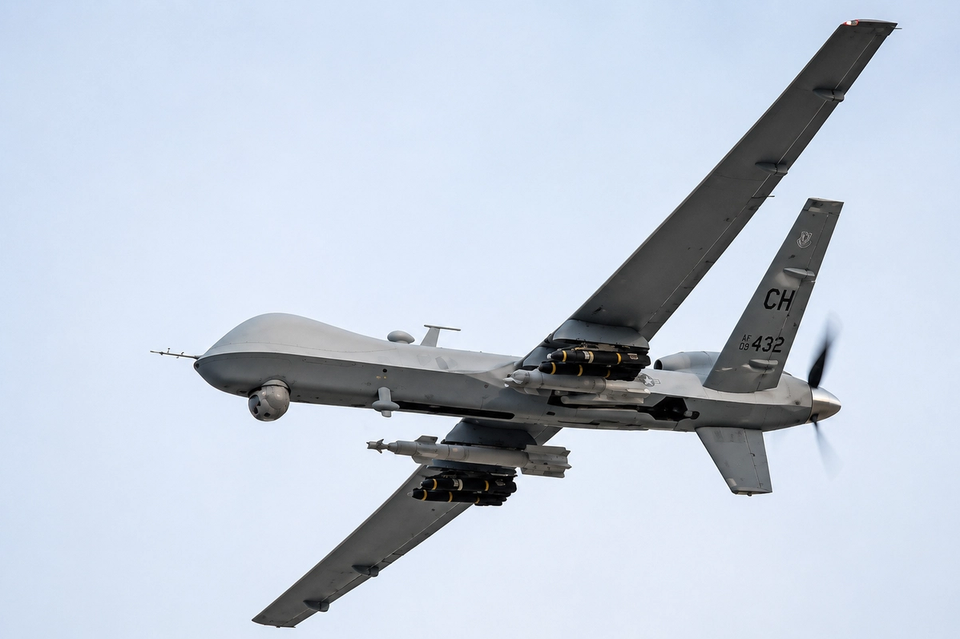

La expansión de los drones comerciales ha transformado la guerra moderna: el dominio aéreo ya no es exclusivo de los Estados. Desde las disidencias armadas en Colombia hasta los cárteles en México, actores no estatales en América Latina están empleando esta tecnología con fines letales y logísticos. Este análisis examina cómo los drones alteran las nociones tradicionales de soberanía, responsabilidad y ética en conflicto, y propone una urgente actualización normativa para enfrentar este nuevo tipo de amenaza descentralizada.
The expansion of commercial drones has transformed modern warfare: air dominance is no longer exclusive to States. From armed dissidents in Colombia to cartels in Mexico, non-state actors in Latin America are employing this technology for lethal and logistical purposes. This analysis examines how drones alter traditional notions of sovereignty, accountability, and ethics in conflict, and proposes an urgent regulatory update to face this new type of decentralized threat.
Durante el siglo XX el dominio aéreo era exclusivo de Estados con tecnología avanzada y altos presupuestos. Hoy, la proliferación de drones comerciales ha expandido el acceso a esta capacidad. En América Latina, la creciente posibilidad de acceder a drones planteó nuevos desafíos regulatorios. Actores no estatales ya utilizan drones en conflictos con gran eficacia.
Esta transformación está reconfigurando el panorama bélico mundial. Drones de bajo costo, como el Bayraktar TB2 han demostrado su valor en conflictos como el de Ucrania. Además, la disponibilidad irrestricta de drones comerciales y fáciles de modificar ha facilitado su uso por una diversidad de grupos en todos los continentes. Desde ISIS y los hutíes hasta cárteles y narcotraficantes latinoamericanos.
Tanto cárteles como guerrillas usan drones para transportar drogas y realizar ataques explosivos. En Colombia, disidencias de las FARC y ELN emplean drones modificados en sus operaciones diarias. En México, los cárteles de Jalisco y Sinaloa los usan para traficar drogas hacia Estados Unidos. Esta tecnología desafía la soberanía, plantea retos legales y exige respuestas institucionales urgentes. Esto difumina la línea entre tecnología civil y militar, y crea un rostro anónimo del conflicto, donde identificar responsables es cada vez más difícil.
Estos avances plantean desafíos morales y políticos urgentes. Este distanciamiento erosiona el principio de humanidad del derecho internacional humanitario. Este principio exige tratar al enemigo con dignidad y evitar sufrimiento innecesario. Como señala el teólogo Oliver O’Donovan, la intención moral importa en la guerra. Pero los drones dificultan evaluar esa intención a distancia.
El derecho humanitario también se basa en los principios de distinción y proporcionalidad. Los drones pueden hacer más difícil distinguir entre combatientes y civiles. Además, su uso desproporcionado puede obedecer a lógicas estratégicas, no éticas.
La soberanía estatal también se ve amenazada. Como sugiere Wendt con el OVNI, el dron representa una amenaza para el conocimiento. Desafía nuestra comprensión del enemigo, del territorio y de la agencia. La guerra ya no responde a las categorías tradicionales y el anonimato que estos otorgan a los perpetradores un poder casi omnipresente.
Frente a este panorama, el derecho internacional ofrece algunas bases normativas útiles. Los Convenios de Ginebra siguen siendo relevantes: protegen a civiles y limitan el sufrimiento en conflictos mediante normas humanitarias fundamentales. Sin embargo, para los desafíos que se presentan para América Latina, se requiere una actualización legal específica para regular esta tecnología.
Crear marcos legales sólidos es fundamental para controlar el uso indebido de drones en América Latina. Además, limitar el acceso a materiales, puede reducir las modificaciones en modelos comerciales con fines ilícitos. Finalmente, es necesario capacitar a las fuerzas de seguridad para que puedan lidiar con su uso ilegal de forma eficiente.
Los drones han democratizado la capacidad de hacer la guerra y acceder a tecnologías nuevas. Esto ha reducido barreras técnicas y éticas con consecuencias profundas. Es urgente desarrollar un marco legal que equilibre seguridad, derechos y responsabilidad. Solo una cooperación multilateral efectiva permitirá enfrentar estos retos tecnológicos y éticos.
During the 20th century, air dominance was exclusive to States with advanced technology and high budgets. Today, the proliferation of commercial drones has expanded access to this capability. In Latin America, the growing possibility of accessing drones has posed new regulatory challenges. Non-state actors already use drones in conflicts with great effectiveness.
This transformation is reconfiguring the global war landscape. Low-cost drones, such as the Bayraktar TB2, have demonstrated their value in conflicts such as in Ukraine. Furthermore, the unrestricted availability of commercial drones that are easy to modify has facilitated their use by a diversity of groups on all continents, from ISIS and the Houthis to Latin American cartels and drug traffickers.
Both cartels and guerrillas use drones to transport drugs and carry out explosive attacks. In Colombia, FARC and ELN dissidents use modified drones in their daily operations. In Mexico, the Jalisco and Sinaloa cartels use them to traffic drugs into the United States. This technology challenges sovereignty, poses legal challenges, and demands urgent institutional responses. It blurs the line between civil and military technology and creates an anonymous face of conflict, where identifying those responsible is increasingly difficult.
These advances pose urgent moral and political challenges. This distancing erodes the principle of humanity of international humanitarian law. This principle demands treating the enemy with dignity and avoiding unnecessary suffering. As theologian Oliver O’Donovan points out, moral intention matters in war, but drones make it difficult to evaluate that intention from a distance.
Humanitarian law is also based on the principles of distinction and proportionality. Drones can make it more difficult to distinguish between combatants and civilians. Furthermore, their disproportionate use may obey strategic, not ethical, logic.
State sovereignty is also threatened. As Wendt suggests with the UFO, the drone represents a threat to knowledge. It challenges our understanding of the enemy, territory, and agency. War no longer responds to traditional categories, and the anonymity they grant perpetrators gives them an almost omnipresent power.
Faced with this panorama, international law offers some useful normative bases. The Geneva Conventions remain relevant: they protect civilians and limit suffering in conflicts through fundamental humanitarian norms. However, for the challenges presented to Latin America, a specific legal update is required to regulate this technology.
Creating solid legal frameworks is fundamental to controlling the misuse of drones in Latin America. Additionally, limiting access to materials can reduce modifications to commercial models for illicit purposes. Finally, it is necessary to train security forces so that they can deal with their illegal use efficiently.
Drones have democratized the ability to wage war and access new technologies. This has reduced technical and ethical barriers with profound consequences. It is urgent to develop a legal framework that balances security, rights, and accountability. Only effective multilateral cooperation will allow for addressing these technological and ethical challenges.
Artículos relacionados
Related articles
América Latina vuelve al tablero: por qué Estados Unidos volvió a pensar la región como prioridad
Latin America Returns to the Board: Why the United States Has Once Again Made the Region a Priority

¿Cómo financiamos una América Latina sostenible?
How could we finance a sustainable Latin America?