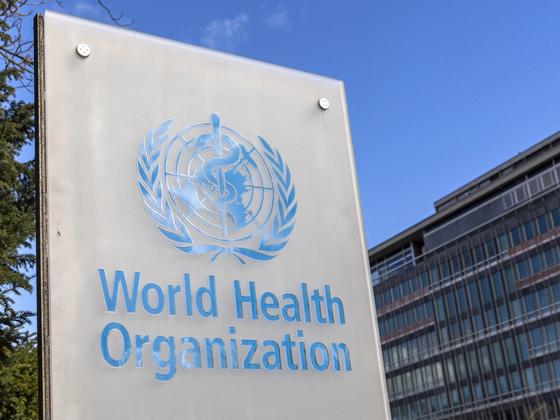
La proyección internacional de Argentina en materia de Derechos Humanos
Argentina's International Projection in the Realm of Human Rights
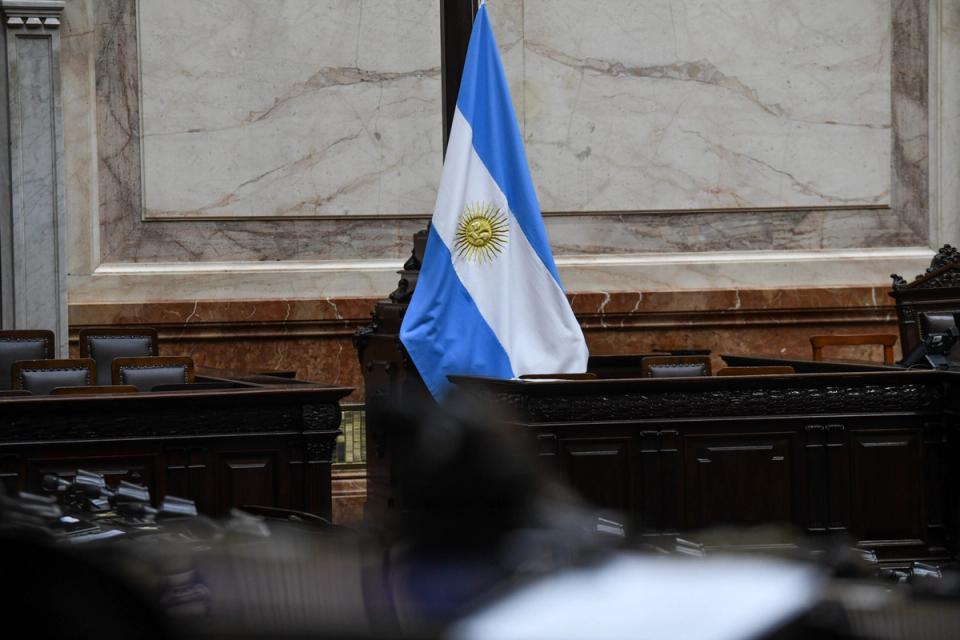

La República Argentina ha ejercido históricamente una política exterior favorable al Derecho Internacional de los Derechos Humanos. Ha formado parte de organismos multilaterales de derechos humanos y ratificado diversos tratados internacionales sobre la materia. A su vez, ha sido un ejemplo de justicia transicional en relación con el Juicio a las Juntas y otras políticas en respuesta a la última dictadura cívico-militar. Sin embargo, en el último tiempo la postura argentina sobre asuntos internacionales alteró su curso: se apartó de la agenda de Naciones Unidas y cambió su tradición respecto de los derechos humanos.
Historically, the Argentine Republic has pursued a foreign policy favorable to International Human Rights Law. It has been a member of multilateral human rights organizations and has ratified various international treaties on the subject. At the same time, it has been an example of transitional justice regarding the Trial of the Juntas and other policies in response to the last civic-military dictatorship. However, in recent times, the Argentine stance on international affairs altered its course: it distanced itself from the United Nations agenda and changed its tradition regarding human rights.
La postura Argentina ha sido predominantemente favorable al reconocimiento de mecanismos internacionales de protección de derechos humanos (DDHH). En ese sentido, es uno de los únicos países que han ratificado los 18 tratados e instrumentos monitoreados por la Oficina del Alto Comisionado de las Naciones Unidas. Asimismo, es parte de diversos tratados y protocolos pertenecientes al sistema interamericano y ha aceptado la competencia contenciosa de la Corte Interamericana de DDHH. En adición, desde la reforma de 1994, se ha otorgado jerarquía constitucional a 15 instrumentos internacionales sobre DDHH. Por su parte, el Juicio a las Juntas Militares y otras medidas en torno al acceso a la verdad y justicia de las víctimas de la última dictadura cívico-militar, posicionaron a la Argentina como referente en materia de justicia transicional.
Sin embargo, a partir de diciembre del 2023, con la asunción de Javier Milei como presidente, esta práctica cambió. Así, con el nuevo gobierno liberal las políticas internacionales alejaron al país del multilateralismo y se tornaron críticas del sistema internacional de DDHH.
Postura actual
Los acontecimientos diplomáticos recientes demuestran un cambio en la política exterior en materia de DDHH. El presidente de Argentina anunció la no adhesión del país a la Agenda 2030 de la Organización de las Naciones Unidas (ONU) por considerar que esta impone una agenda ideológica a sus países miembros. En esa misma línea, por primera vez en años, no presentó su candidatura para ser miembro del Consejo de DDHH de la ONU. Adicionalmente, entre 2023 y 2026, la Argentina votó en contra de diversas resoluciones de la Asamblea General de la ONU. Algunas de ellas versaban sobre temáticas relacionadas a la violencia contra las mujeres y niñas, la tortura y la esclavitud.
En relación con la justicia transicional, expertos de la ONU advierten sobre los retrocesos del país en materia de memoria, verdad y justicia. Ello debido al desmantelamiento de instituciones dedicadas a la búsqueda de personas desaparecidas, la conservación de archivos y la promoción de los DDHH, e instancias públicas de negacionismo. Las medidas adoptadas se apoyan en la postura anti institucional del gobierno actual, basada en la defensa de la libertad individual y la lucha contra las ideologías. Además, las nuevas políticas reflejan la alianza entre Javier Milei y Donald Trump, quien ha mantenido una postura crítica hacia la ONU.
Consecuencias
Las medidas mencionadas demuestran una ruptura de los consensos nacionales históricos en relación con los DDHH. Así, de ser un país promotor del sistema internacional, Argentina pasa a ser un actor crítico y escéptico. Una de las consecuencias que esto trae aparejado se relaciona con la capacidad de control que tienen los organismos multilaterales en el ámbito nacional. De este modo, los entes externos a un Estado pierden la posibilidad de ejercer un límite al poder estatal en razón del aislamiento de este en el plano internacional.
A su vez, el rechazo a agendas globales sobre protección de DDHH dificulta la defensa de derechos individuales. Ello toda vez que debilita su exigibilidad en el plano interno al disminuir la obligación que tiene el país de respetarlos. Los estándares que se fijan internacionalmente marcan un piso que cada Estado se compromete a cumplir. Sin una adhesión a estos, los DDHH quedan sujetos exclusivamente al ordenamiento interno.
Sumado a ello, el posicionamiento externo es un reflejo de lo que sucede internamente. Al respecto, existen organizaciones no gubernamentales que alertan sobre los retrocesos en materia de DDHH y su impacto en el país. Adicionalmente, existen indicadores que plantean una recesión de la democracia en Argentina desde el año 2023, con una creciente autocratización.
Por otro lado, los posicionamientos diplomáticos no son neutrales sino que plasman alineamientos entre Estados. Particularmente, la orientación actual del gobierno argentino se inclina a seguir los pasos de Donald Trump con Estados Unidos. En ese sentido, los votos negativos a resoluciones de la ONU suelen coincidir con la postura del país norteamericano.
Cabe destacar que todas las acciones desarrolladas se enmarcan dentro de lo permitido por la ley y son parte de las políticas de Estado del gobierno actual. No obstante, frente a un país que históricamente ha estado a la vanguardia de la defensa de los DDHH ¿estamos dispuestos a enfrentar las consecuencias del cambio de postura? En caso afirmativo, ¿se debe a una imposición de la soberanía estatal o a la subordinación a influencias externas?
Argentina's stance has been predominantly favorable to the recognition of international mechanisms for the protection of human rights (HR). In that sense, it is one of the only countries to have ratified all 18 treaties and instruments monitored by the Office of the United Nations High Commissioner. Likewise, it is part of various treaties and protocols belonging to the Inter-American system and has accepted the contentious jurisdiction of the Inter-American Court of Human Rights. Additionally, since the 1994 reform, constitutional status has been granted to 15 international human rights instruments. For its part, the Trial of the Military Juntas and other measures surrounding access to truth and justice for the victims of the last civic-military dictatorship positioned Argentina as a benchmark in transitional justice.
However, starting in December 2023, with Javier Milei assuming the presidency, this practice changed. Thus, under the new liberal government, international policies distanced the country from multilateralism and became critical of the international human rights system.
Current stance
Recent diplomatic events demonstrate a shift in foreign policy regarding human rights. The president of Argentina announced the country's non-adherence to the United Nations (UN) 2030 Agenda, considering that it imposes an ideology on its member states. Along the same lines, for the first time in years, the country did not present its candidacy to become a member of the UN Human Rights Council. Additionally, between 2023 and 2026, Argentina voted against various resolutions of the UN General Assembly. Some of these addressed issues related to violence against women and girls, torture, and slavery.
In relation to transitional justice, UN experts warn about the country's setbacks in memory, truth, and justice. This is due to the dismantling of institutions dedicated to the search for disappeared persons, the preservation of archives, the promotion of human rights, and public instances of denialism. The measures adopted are supported by the current government's anti-institutional stance, based on the defense of individual liberty and the fight against ideologies. Furthermore, the new policies reflect the alliance between Javier Milei and Donald Trump, who has maintained a critical stance toward the UN.
Consequences
The aforementioned measures demonstrate a rupture of historical national consensuses regarding human rights. Thus, from being a promoter country of the international system, Argentina shifts to being a critical and skeptical actor. One of the consequences this entails relates to the oversight capacity that multilateral organizations have within the domestic sphere. In this way, entities external to a State lose the possibility of exercising a limit on state power due to the country's isolation on the international stage.
At the same time, the rejection of global agendas on human rights protection hinders the defense of individual rights. This is because it weakens their enforceability at the domestic level by diminishing the country's obligation to respect them. Internationally set standards establish a baseline that each State commits to fulfill. Without adherence to these, human rights remain subject exclusively to the domestic legal order.
Added to this, the external positioning is a reflection of what occurs internally. In this regard, non-governmental organizations warn about setbacks in human rights and their impact on the country. Additionally, there are indicators suggesting a recession of democracy in Argentina since 2023, with a growing autocratization.
On the other hand, diplomatic positions are not neutral; rather, they embody alignments between States. Particularly, the current orientation of the Argentine government leans toward following the steps of Donald Trump with the United States. In that sense, negative votes on UN resolutions often coincide with the stance of the North American country.
It is worth noting that all the actions carried out are framed within what is permitted by law and are part of the state policies of the current government. Nevertheless, facing a country that has historically been at the forefront of human rights defense, are we willing to face the consequences of this change in stance? If so, is it due to an assertion of state sovereignty or subordination to external influences?
Artículos relacionados
Related articles

Paradiplomacia y nuevas formas de inserción internacional en Argentina
Paradiplomacy and new forms of international insertion in Argentina
Mayor paridad política, ¿más beneficios para las mujeres?
More Political Parity, More Benefits for Women?