Las mujeres afganas bajo el velo del régimen talibán
Afghan women under the veil of the Taliban regime
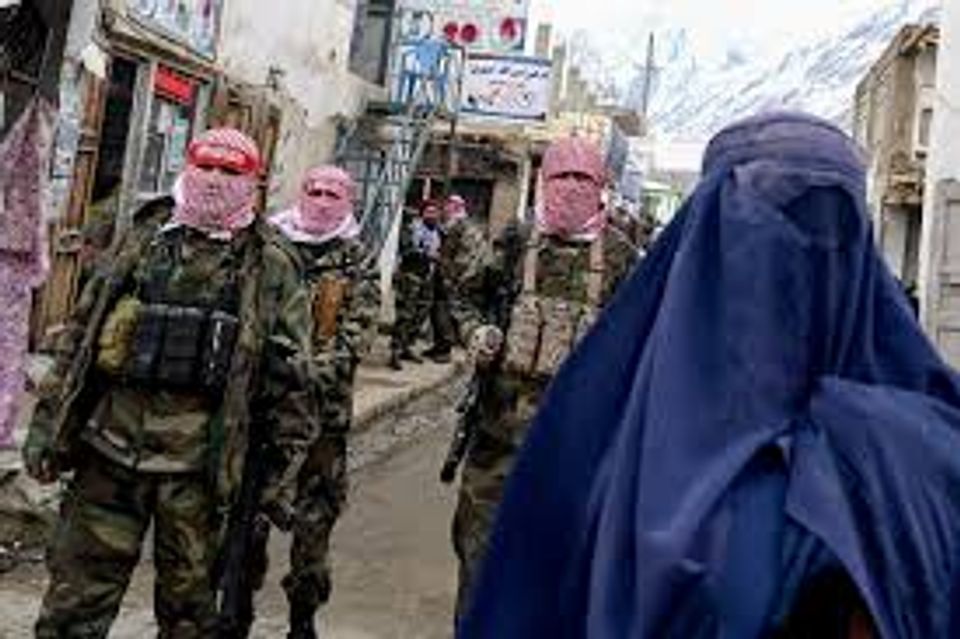
La vida de las mujeres afganas se transformó radicalmente a partir del 15 de agosto de 2021. En esa fecha, Kabul cayó, por segunda ocasión en la historia, bajo el control de facto de los talibanes. Este movimiento, unido por una ideología fundamentalista de la religión islámica y portador de los valores y tradiciones de las aldeas pastunes del sur, busca emular los tiempos del Profeta Mahoma. Tal como ya lo había intentado en su primer mandato durante la década de 1990, lo hacen mediante las armas, el teror y la imposición de políticas de género regresivas.
The life of Afghan women was radically transformed starting on August 15, 2021. On that date, Kabul fell, for the second time in history, under the de facto control of the Taliban. This movement, united by a fundamentalist ideology of the Islamic religion and bearer of the values and traditions of the Pashtun villages of the south, seeks to emulate the times of the Prophet Muhammad. Just as they had already attempted in their first term during the 1990s, they do so through arms, terror, and the imposition of regressive gender policies.
La vida de las mujeres afganas se transformó radicalmente a partir del 15 de agosto de 2021. En esa fecha, Kabul cayó, por segunda ocasión en la historia, bajo el control de facto de los talibanes. Este movimiento, unido por una ideología fundamentalista de la religión islámica y portador de los valores y tradiciones de las aldeas pastunes del sur, busca emular los tiempos del Profeta Mahoma. Tal como ya lo había intentado en su primer mandato durante la década de 1990, lo hacen mediante las armas, el teror y la imposición de políticas de género regresivas.
La entrada de los talibanes a la capital y los acontecimientos de aquella tarde fueron recibidos con una profunda inquietud e incertidumbre por una población sumida en el caos. En una evacuación precipitada, tanto el Presidente derrocado, Ashraf Ghani, como los representantes diplomáticos de diversos países, huyeron del territorio. Mientras algunos celebraban la llegada de los nuevos líderes, otros buscaban desesperadamente escapar en los últimos aviones estadounidenses disponibles. En cuestión de horas, los cimientos de la República Islámica de Afganistán se desmoronaron y, tras veinte años, volvió a ondear en todo el país la bandera blanca y negra del Emirato Islámico de Afganistán. Esto significó el retorno de una interpretación estricta y extrema de la Sharía (la voluntad de Dios) como eje rector del Estado, instaurando normas y principios islámicos ortodoxos como fuerza ordenadora de la sociedad. El inicio de un proceso radical de reislamización supuso una transformación abrupta de las dinámicas sociales, políticas y económicas.
En este contexto, son las mujeres y las niñas quienes sufren las consecuencias más devastadoras, reviviendo los recuerdos del primer Emirato Islámico. A pesar de las promesas iniciales de las autoridades talibanas —quienes afirmaban proteger sus derechos—, estas resultaron ser efímeras y rápidamente fueron traicionadas. Amparados en el discurso de las "buenas costumbres" y en la instrumentalización de una interpretación extremista, misógina y arcaica de la religión, los talibanes implementaron políticas de género regresivas. Rápidamente, lograron borrar los tímidos avances en materia de derechos y libertades que las mujeres afganas habían logrado conquistar, sobre todo en espacios urbanos como Kabul.
Las medidas más represivas se enfocaron en controlar el comportamiento y la presencia pública de las mujeres, llevando la discriminación de género a niveles sin precedentes. Bajo estrictos códigos de conducta, se les prohíbe salir de sus hogares salvo en casos de extrema necesidad, y, cuando lo hacen, deben cubrirse completamente con el burka y estar acompañadas por un mahram (tutor masculino). Su apariencia está estrictamente regulada: no pueden vestir ropa "llamativa", usar accesorios decorativos, perfumes ni maquillaje; deben caminar sin "gracia ni orgullo", y tienen prohibido usar joyas o zapatos que hagan ruido al andar. También les está vedado interactuar con hombres fuera de su círculo familiar, alzar la voz o reír en público. Paralelamente, se les ha despojado sistemáticamente de su autonomía económica: muchas mujeres fueron expulsadas de sus empleos y se clausuraron espacios de socialización femenina, como salones de belleza, gimnasios y tiendas de ropa.
La medida más brutal ha sido la exclusión educativa: con el cierre de escuelas secundarias y universidades, Afganistán se convirtió en el único país del mundo donde a las mujeres se les niega formalmente el derecho a la educación. El resultado ha sido una fractura social irreversible: millones de afganas que antes estudiaban, trabajaban, soñaban con un futuro y ocupaban espacios públicos hoy están confinadas al silencio y la invisibilidad, reducidas a existir entre las cuatro paredes de sus hogares.
El fundamento detrás de estas políticas es que, desde la perspectiva talibana, las mujeres son consideradas socialmente inmaduras, moralmente débiles y poseedoras de una supuesta sexualidad peligrosa que amenaza el orden social. Bajo esta lógica, no se las considera dignas de confianza y, por tanto, deben ser aisladas, confinadas en sus hogares y ocultas tras el burka para preservar la pureza y la estabilidad social. Permitir que las mujeres mostraran partes de su cuerpo o se mezclaran con hombres en espacios educativos o laborales sería, conforme su visión, una incitación a la inmoralidad y la promiscuidad, así como una amenaza mortal a los pilares fundamentales de la sociedad islámica: la familia musulmana y el hogar.
A pesar del clima de intensa represión, en Kabul han surgido pequeñas pero valientes protestas contra las políticas de género impuestas por el régimen. Estos actos protagonizados principalmente por mujeres, evidencian un cambio profundo respecto al pasado: hoy, ellas no solo son conscientes de sus derechos, sino que también están decididas a luchar activamente por su restitución. Aunque las protestas son brutalmente reprimidas —con detenciones arbitrarias, golpizas, amenazas y otras formas de violencia— el desafío simbólico que representan es significativo. Los talibanes han descubierto que revertir por completo el proceso de empoderamiento femenino no será una tarea sencilla. La resiliencia de las mujeres afganas constituye hoy una fuerza de resistencia que las autoridades difícilmente podrán ignorar de manera indefinida. En agosto de 2025 se cumplirán cuatro años desde el regreso de los talibanes al poder. Para las mujeres afganas, serán cuatro años de sobrevivir bajo un sistema que institucionaliza el apartheid de género. No obstante, y a pesar del silenciamiento forzado y los intentos de invisibilizarlas, la resistencia persiste, y cada acto de protesta, cada gesto de desafío, mantiene viva la esperanza de una transformación.
The life of Afghan women was radically transformed starting on August 15, 2021. On that date, Kabul fell, for the second time in history, under the de facto control of the Taliban. This movement, united by a fundamentalist ideology of the Islamic religion and bearer of the values and traditions of the Pashtun villages of the south, seeks to emulate the times of the Prophet Muhammad. Just as they had already attempted in their first term during the 1990s, they do so through arms, terror, and the imposition of regressive gender policies.
The entry of the Taliban into the capital and the events of that afternoon were received with deep unease and uncertainty by a population plunged into chaos. In a hasty evacuation, both the ousted President, Ashraf Ghani, and the diplomatic representatives of various countries, fled the territory. While some celebrated the arrival of the new leaders, others desperately sought to escape on the last available American planes. In a matter of hours, the foundations of the Islamic Republic of Afghanistan crumbled and, after twenty years, the black and white flag of the Islamic Emirate of Afghanistan flew over the whole country again. This meant the return of a strict and extreme interpretation of Sharia (the will of God) as the governing axis of the State, establishing orthodox Islamic norms and principles as the ordering force of society. The beginning of a radical process of re-Islamization meant an abrupt transformation of social, political, and economic dynamics.
In this context, it is women and girls who suffer the most devastating consequences, reliving the memories of the first Islamic Emirate. Despite the initial promises of the Taliban authorities—who claimed to protect their rights—these turned out to be ephemeral and were quickly betrayed. Shielded by the discourse of "good customs" and the instrumentalization of an extremist, misogynistic, and archaic interpretation of religion, the Taliban implemented regressive gender policies. Quickly, they managed to erase the timid advances in terms of rights and freedoms that Afghan women had managed to conquer, especially in urban spaces like Kabul.
The most repressive measures focused on controlling the behavior and public presence of women, taking gender discrimination to unprecedented levels. Under strict codes of conduct, they are prohibited from leaving their homes except in cases of extreme necessity, and, when they do, they must cover themselves completely with the burqa and be accompanied by a mahram (male guardian). Their appearance is strictly regulated: they cannot wear "flashy" clothing, use decorative accessories, perfumes, or makeup; they must walk without "grace or pride," and are prohibited from wearing jewelry or shoes that make noise when walking. They are also forbidden from interacting with men outside their family circle, raising their voices, or laughing in public. In parallel, they have been systematically stripped of their economic autonomy: many women were expelled from their jobs and spaces for female socialization, such as beauty salons, gyms, and clothing stores, were closed.
The most brutal measure has been educational exclusion: with the closing of secondary schools and universities, Afghanistan became the only country in the world where women are formally denied the right to education. The result has been an irreversible social fracture: millions of Afghan women who previously studied, worked, dreamed of a future, and occupied public spaces are today confined to silence and invisibility, reduced to existing between the four walls of their homes.
The foundation behind these policies is that, from the Taliban perspective, women are considered socially immature, morally weak, and possessors of a supposed dangerous sexuality that threatens the social order. Under this logic, they are not considered trustworthy and, therefore, must be isolated, confined to their homes, and hidden behind the burqa to preserve purity and social stability. Allowing women to show parts of their body or mingle with men in educational or professional spaces would be, according to their view, an incitement to immorality and promiscuity, as well as a deadly threat to the fundamental pillars of Islamic society: the Muslim family and the home.
Despite the climate of intense repression, in Kabul, small but brave protests have emerged against the gender policies imposed by the regime. These acts, carried out mainly by women, show a profound change regarding the past: today, they are not only aware of their rights, but are also determined to fight actively for their restitution. Although the protests are brutally repressed—with arbitrary detentions, beatings, threats, and other forms of violence—the symbolic challenge they represent is significant. The Taliban have discovered that completely reversing the process of female empowerment will not be a simple task. The resilience of Afghan women constitutes today a force of resistance that the authorities will hardly be able to ignore indefinitely. In August 2025, it will be four years since the return of the Taliban to power. For Afghan women, it will be four years of surviving under a system that institutionalizes gender apartheid. Nevertheless, and despite the forced silencing and the attempts to make them invisible, resistance persists, and each act of protest, each gesture of defiance, keeps the hope of a transformation alive.
Artículos relacionados
Related articles
América Latina vuelve al tablero: por qué Estados Unidos volvió a pensar la región como prioridad
Latin America Returns to the Board: Why the United States Has Once Again Made the Region a Priority

¿Cómo financiamos una América Latina sostenible?
How could we finance a sustainable Latin America?