Reforma electoral en Entre Ríos: la introducción de la BUP (Boleta Única Papel) y sus consecuencias
Electoral Reform in Entre Ríos: The Introduction of the BUP (Single Paper Ballot) and Its Consequences
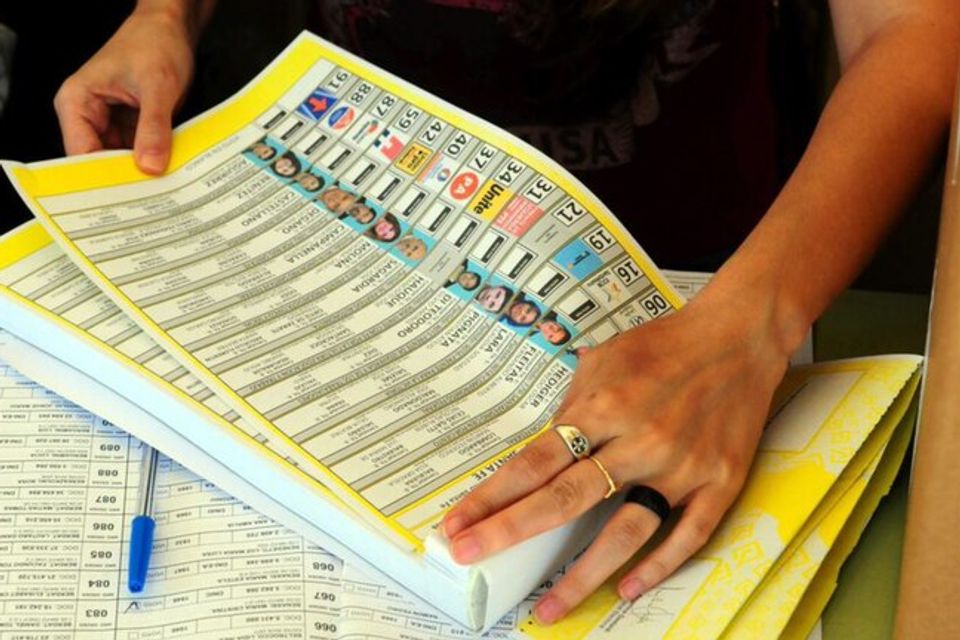

La provincia de Entre Ríos se prepara para una transformación electoral con la propuesta de Rogelio Frigerio de implementar la Boleta Única de Papel (BUP), dejando atrás el viejo sistema de boleta partidaria. ¿Qué significa este cambio para la transparencia y equidad en las elecciones? Exploramos cómo esta reforma moderniza un sistema que data de 1930 y qué impacto podría tener en la política local y nacional.
The province of Entre Ríos prepares for an electoral transformation with Rogelio Frigerio's proposal to implement the Single Paper Ballot (BUP), leaving behind the old party ballot system. What does this change mean for transparency and fairness in elections? We explore how this reform modernizes a system dating back to 1930 and what impact it could have on local and national politics.
Una reforma política implica una modificación en las reglas del sistema político, con el objetivo de mejorar su funcionamiento y, en términos generales, garantizar una mayor equidad y transparencia. En Entre Ríos, el actual gobernador, Rogelio Frigerio, presentó en mayo de este año una propuesta de reforma política y electoral, destacando la incorporación de la boleta única de papel (BUP), dejando atrás el tradicional sistema de boleta partidaria. Dicha propuesta, que actualmente está siendo tratada en la cámara baja provincial, viene a modernizar el Código Electoral de la provincia, que si bien durante los años tuvo enmiendas, data de 1930.
Aunque se proponen modificaciones importantes, hay mecanismos que se pretenden sostener, como las elecciones primarias abiertas, simultáneas y obligatorias (PASO) para la selección de candidaturas y, estratégicamente, la reforma, preserva la facultad del Ejecutivo provincial de decidir si realizar las elecciones de manera conjunta o separada de las nacionales. Por otro lado, cabe aclarar que recientemente, el Senado nacional aprobó un proyecto sobre la BUP que ahora ha regresado a la Cámara de Diputados para su tratamiento.
BUP: una herramienta de modernización
La boleta partidaria, popularmente conocida como “boleta sábana”, divide la oferta electoral de forma individual por partido, en torno a la cual surgen debates que enuncian diversos problemas logísticos y de equidad. Uno de los principales cambios con la implementación de la BUP es que el Estado asumiría la provisión del instrumento de votación oficial, una responsabilidad que hasta ahora recae en las fuerzas políticas. Además, la BUP garantiza que todos los candidatos estén representados, evitando el frecuente problema de la falta de boletas en los centros de votación, mejorando la experiencia para el elector, y reduciendo los esfuerzos por parte de las agrupaciones.
Estas modificaciones apuntan a una mayor transparencia, en tanto como fue señalado, el Poder Ejecutivo nacional se constituye como principal y único proveedor de los instrumentos de votación. Al mismo tiempo, posibilita que los partidos compitan en condiciones más equitativas, eliminando cualquier ventaja que puedan tener los partidos oficialistas o aquellos con mayores recursos económicos - humanos en la fiscalización y el control durante las jornadas de votación, lo que es fundamental para lograr una representación política más igualitaria.
Antecedentes
Al observar las democracias europeas, encontramos que la mayoría de ellas ya se rige por sistemas de boleta única, consolidando este mecanismo como una práctica extendida en países con sistemas electorales avanzados. En lo que respecta a Argentina, tres provincias han incorporado la boleta única de papel: Santa Fe, Córdoba y Mendoza. A partir de estas experiencias, podemos afirmar que, aunque la implementación de la BUP no resuelve por completo los problemas estructurales del sistema político y electoral, como las prácticas clientelares, sí se posiciona como una herramienta que no sólo mejora la equidad en la representación, sino que también fortalece la autonomía del elector.
Como señalan investigadores de la Universidad Nacional de Rosario (UNR) y la Universidad Nacional de Córdoba (UNC) en su estudio sobre la implementación de la BUP, este sistema simplifica notablemente el acto de votar, reduciendo la complejidad del proceso electoral. Las observaciones realizadas tras la primera implementación de la BUP en ambas provincias, documentadas por Bianchi, Lodi, Mutti, et al. (2013), evidencian que no se registraron alteraciones en las boletas, lo que pone de relieve el valor de que el Estado sea responsable de su impresión. En Santa Fe, esta responsabilidad recayó en el Poder Ejecutivo, mientras que en Córdoba fue el Juzgado Electoral quien asumió dicha tarea.
En cuanto a la experiencia ciudadana, el análisis de los autores destaca que, en Córdoba, los ciudadanos demostraron una mayor confianza y facilidad en el uso del nuevo sistema, valorando su simplicidad. Sin embargo, en Santa Fe las opiniones estuvieron más divididas: los comentarios negativos fueron mayoritariamente expresados por adultos mayores de 60 años, mientras que los votantes de entre 30 y 60 mostraron una actitud más positiva y adaptativa. Los menores de 30 años, por su parte, se integraron al sistema con mayor naturalidad, lo que refleja una disposición más amplia al cambio entre los votantes más jóvenes.
Beneficios y... ¿controversias?
Las principales controversias sobre la implementación de la boleta única de papel (BUP) giran en torno a la división o unificación de la misma para los distintos niveles electorales: cargos nacionales, provinciales y municipales. La discusión se centra en si es conveniente tener una única boleta que incluya todas las categorías electorales o dividirlas en segmentos, lo que podría mitigar o intensificar el llamado "efecto arrastre", donde el voto a un candidato de una categoría superior influye en las categorías inferiores.
En el caso de Córdoba, se optó por una boleta única que incluye todas las categorías electorales en un mismo formato. Por el contrario, en Santa Fe se implementaron boletas separadas para cada nivel electoral, es decir, una boleta única para cargos nacionales, otra para provinciales, y una más para municipales. En Entre Ríos, este aspecto sigue siendo uno de los puntos más controvertidos del debate actual, como puede verse en la postura de los intendentes del Partido Justicialista (PJ), quienes buscan separar las boletas para los cargos provinciales y municipales. Evitando así el posible efecto arrastre de los candidatos provinciales y nacionales perjudique a las candidaturas municipales.
Por otro lado, entre los principales beneficiados por la reforma política de Frigerio, y la BUP en particular, se encuentran los partidos vecinales, quienes podrán constituir partidos departamentales y presentar candidatos a senador provincial, así como participar en elecciones de comunas y juntas de gobierno. Lo cual habilita la posibilidad de que el vecinalismo comience a consolidarse como un actor con mayor relevancia e incidencia en la política provincial y desde ya, superar algunas de las limitaciones que enfrentaban a nivel local.
Un cambio que va más allá de las cuestiones técnicas
El desafío que presenta la implementación de la boleta única de papel (BUP) va más allá de las cuestiones técnicas y logísticas que pone en tensión. Este instrumento electoral también abre la puerta a reflexionar sobre aspectos clave como la transparencia del sistema electoral, la reducción de costos y el impacto ambiental. En este sentido, la BUP puede contribuir no solo a mejorar la eficiencia del proceso electoral, sino también a reducir el desperdicio de papel y los costos asociados a la impresión y distribución de las boletas partidarias.
Además, su implementación podría llevar a una mayor equidad en el financiamiento y en las campañas, y ofrecer un marco más justo para todos los partidos, incluidos los de menor tamaño. En síntesis, los ajustes en el sistema electoral buscan modernizarlo para fortalecer la calidad institucional. En este sentido, la experiencia previa de Santa Fe, Córdoba y Mendoza y la adecuada preparación de los ciudadanos serán claves para lograr una implementación efectiva y exitosa.
A political reform implies a modification in the rules of the political system, with the aim of improving its functioning and, generally speaking, guaranteeing greater fairness and transparency. In Entre Ríos, the current governor, Rogelio Frigerio, presented a proposal for political and electoral reform in May of this year, highlighting the incorporation of the Single Paper Ballot (BUP), leaving behind the traditional party ballot system. This proposal, which is currently being debated in the provincial lower house, modernizes the province's Electoral Code, which, although it has had amendments over the years, dates back to 1930.
Although important modifications are proposed, there are mechanisms that are intended to be sustained, such as the open, simultaneous, and mandatory primary elections (PASO) for the selection of candidacies, and strategically, the reform preserves the provincial Executive's power to decide whether to hold elections concurrently with or separately from national elections. On the other hand, it is worth clarifying that recently, the national Senate approved a project on the BUP that has now returned to the Chamber of Deputies for its consideration.
BUP: A Tool for Modernization
The party ballot, popularly known as the "boleta sábana" (blanket ballot), divides the electoral offering individually by party, around which debates arise that point out various logistical and equity problems. One of the main changes with the implementation of the BUP is that the State would assume the provision of the official voting instrument, a responsibility that until now falls on the political forces. Furthermore, the BUP guarantees that all candidates are represented, avoiding the frequent problem of a lack of ballots at polling stations, improving the experience for the voter, and reducing efforts on the part of the political groups.
These modifications point toward greater transparency, since, as noted, the national Executive Branch establishes itself as the main and sole provider of the voting instruments. At the same time, it enables parties to compete under more equitable conditions, eliminating any advantage that the ruling parties or those with greater financial and human resources might have in terms of monitoring and control during voting days, which is fundamental to achieving more egalitarian political representation.
Background
When looking at European democracies, we find that most of them are already governed by single-ballot systems, consolidating this mechanism as a widespread practice in countries with advanced electoral systems. Regarding Argentina, three provinces have incorporated the single paper ballot: Santa Fe, Córdoba, and Mendoza. Based on these experiences, we can state that, although the implementation of the BUP does not completely solve the structural problems of the political and electoral system, such as clientelist practices, it does position itself as a tool that not only improves fairness in representation but also strengthens voter autonomy.
As researchers from the Universidad Nacional de Rosario (UNR) and the Universidad Nacional de Córdoba (UNC) point out in their study on the implementation of the BUP, this system significantly simplifies the act of voting, reducing the complexity of the electoral process. The observations made following the first implementation of the BUP in both provinces, documented by Bianchi, Lodi, Mutti, et al. (2013), show that no alterations to the ballots were recorded, which highlights the value of the State being responsible for their printing. In Santa Fe, this responsibility fell on the Executive Branch, while in Córdoba, the Electoral Court assumed the task.
Regarding the citizen experience, the authors' analysis highlights that, in Córdoba, citizens demonstrated greater confidence and ease in using the new system, valuing its simplicity. However, in Santa Fe, opinions were more divided: negative feedback was mostly expressed by adults over 60 years old, while voters between 30 and 60 showed a more positive and adaptive attitude. Those under 30, for their part, integrated into the system more naturally, reflecting a broader readiness for change among younger voters.
Benefits and... Controversies?
The main controversies regarding the implementation of the single paper ballot (BUP) revolve around whether it should be divided or unified for the different electoral levels: national, provincial, and municipal offices. The discussion centers on whether it is convenient to have a single ballot that includes all electoral categories or to divide them into segments, which could mitigate or intensify the so-called "coattail effect," where voting for a candidate in a higher category influences lower categories.
In the case of Córdoba, a single ballot was chosen that includes all electoral categories in the same format. Conversely, in Santa Fe, separate ballots were implemented for each electoral level—that is, one single ballot for national offices, another for provincial ones, and one more for municipal ones. In Entre Ríos, this aspect remains one of the most controversial points in the current debate, as seen in the stance of the mayors from the Justicialist Party (PJ), who seek to separate the ballots for provincial and municipal offices. This avoids the risk that a potential coattail effect from provincial and national candidates might harm municipal candidacies.
On the other hand, among the main beneficiaries of Frigerio's political reform, and the BUP in particular, are the local neighborhood parties (partidos vecinales), which will be able to form departmental parties and present candidates for provincial senator, as well as participate in elections for communes and governing boards (juntas de gobierno). This opens up the possibility for local community politics to begin consolidating as an actor with greater relevance and impact on provincial politics, and certainly to overcome some of the limitations they faced at the local level.
A Change That Goes Beyond Technical Matters
The challenge presented by the implementation of the single paper ballot (BUP) goes beyond the technical and logistical issues it brings into tension. This electoral instrument also opens the door to reflecting on key aspects such as the transparency of the electoral system, cost reduction, and environmental impact. In this sense, the BUP can contribute not only to improving the efficiency of the electoral process but also to reducing paper waste and the costs associated with the printing and distribution of party ballots.
Furthermore, its implementation could lead to greater equity in financing and campaigns, and offer a fairer framework for all parties, including smaller ones. In short, the adjustments to the electoral system seek to modernize it to strengthen institutional quality. In this regard, the previous experiences of Santa Fe, Córdoba, and Mendoza, along with the proper preparation of citizens, will be key to achieving an effective and successful implementation.
Artículos relacionados
Related articles

Paradiplomacia y nuevas formas de inserción internacional en Argentina
Paradiplomacy and new forms of international insertion in Argentina

Tecnologías críticas y competencia global: ¿qué lugar ocupa Argentina?
Critical technologies and global competition: where does Argentina stand?