Turquía y su apuesta para posicionarse en el marco internacional
Turkey and its bid to position itself on the international stage
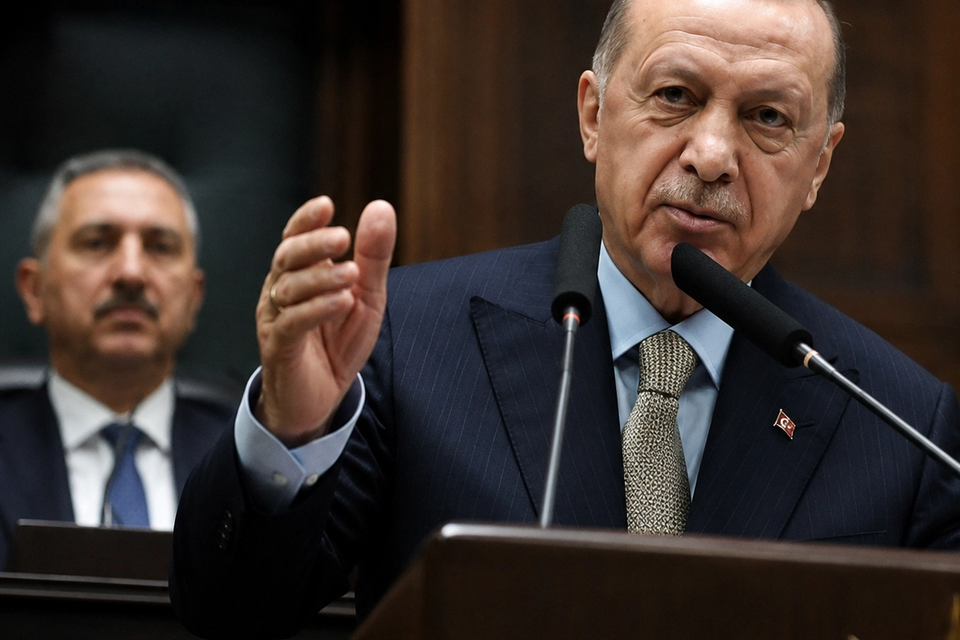
En los últimos años, Turquía puso el sello a acuerdos económicos y militares con diversas naciones con el objetivo de consolidarse como el principal poder de Medio Oriente. Se posicionó como promotor de cambios de régimen político, se manifestó en apoyo de gobiernos totalitarios y generó lazos de dependencia. A través del empleo de prácticas políticas cuestionables en países vulnerables, Turquía generó influencia entre sus vecinos. Las diferentes estrategias de política exterior del régimen turco nos dan un indicio sobre sus tendencias “proto-coloniales” y sobre su rol en diversos conflictos y naciones.
In recent years, Turkey has sealed economic and military agreements with various nations with the goal of consolidating itself as the main power in the Middle East. It has positioned itself as a promoter of political regime changes, expressed support for authoritarian governments, and generated ties of dependency. Through the use of questionable political practices in vulnerable countries, Turkey has generated influence among its neighbors. The different foreign policy strategies of the Turkish regime give us an indication of its "proto-colonial" tendencies and its role in various conflicts and nations.
Desde los inicios del mandato presidencial de Recep Tayyip Erdoğan, allá por Agosto de 2014, Turquía ha aumentado drásticamente sus actividades en el extranjero y su presencia en Asia y África. Bajo su gobierno, el país experimentó un creciente sentimiento de nacionalismo y de nostalgia por los años del Imperio Otomano, donde Estambul supo ser uno de los principales centros políticos del mundo. Si bien es consciente del orden internacional contemporáneo, no es secreto que Erdoğan está llevando a cabo un intento por posicionar a Turquía como el líder político y militar de Medio Oriente.
Siria
Un ejemplo del involucramiento turco en el extranjero es su rol en la Guerra Civil Siria. Tras los levantamientos de la Primavera Árabe en 2011, Siria experimentó años de convulsión política, marcados por disputas internas entre diversos grupos. El régimen de Bashar Al-Assad se vio enfrentado a diversos actores subnacionales, entre ellos el Ejército Nacional Sirio (ENS), formado por desertores de las filas de Al-Assad, y por remanentes de diversos grupos que se levantaron en contra de su autoritarismo. No casualmente, el actor principal de la resistencia fue el ENS, gracias al apoyo directo de Ankara, capital del país y sede del gobierno turco. Turquía entrenó y financió a la milicia con el fin de derrocar al régimen y de establecer un gobierno afín.
Hacia fines del 2024, cuando los esfuerzos turcos parecían no haber dado frutos, y con el ENS dispersado, la facción islámica Hayat Tahrir al-Sham, encarnó los esfuerzos contra Damasco y derrocó al gobierno. Por fuera del apoyo oficial al ESN, Erdoğan también había estado financiando indirectamente a este grupo, en el cual identificó un potencial aliado en caso de establecerse en el poder Hoy en día, Turquía se presenta como el principal promotor y garante de la seguridad y la paz dentro de Siria, cuyo gobierno aún carece de legitimidad y de control efectivo sobre el territorio. A través de lo sucedido en Siria, Ankara demostró a Medio Oriente que tiene la capacidad de dominar la política, tanto interna como externa, de un país vecino.
Libia
En Libia, Turquía aprovechó un tumulto político similar. En 2011, producto de los levantamientos de la Primavera Árabe, el líder libio Muammar Gaddafi fue derrocado, y años después, el país cayó en una guerra civil. Turquía, consciente de la importancia geopolítica de Libia y de sus recursos naturales, intervino rápidamente en defensa del Gobierno de Unidad Nacional, quién le ofreció ciertos beneficios a cambio de ayudarlos a lograr la unidad nacional. Tal como en Siria, aquí encontramos a Turquía actuando en base a sus intereses políticos y económicos. Actualmente mantiene una fuerte presencia militar en el país, con más de 2200 efectivos desplegados entre soldados del ejército y contratistas privados. En simultáneo, Ankara firmó un acuerdo con Trípoli para intercambiar inteligencia y una serie de tratados que le permiten a Turquía explorar el lecho marino Libio, donde se sospecha la existencia de grandes yacimientos petrolíferos. Además, empresas privadas turcas invirtieron en diversos proyectos de infraestructura en el país, en un intento de aportar a la reconstrucción tras una prolongada guerra civil.
Somalia
Por su parte, Somalia recibió el despliegue militar turco de mayor envergadura. Un país con una inmejorable posición estratégica, en las últimas décadas se vio plagado por el terrorismo y por actos de violencia facciosos. La legitimidad del gobierno de Mogadishu había disminuido drásticamente y Ankara vio una oportunidad económica y geopolítica al ofrecer sus servicios al gobierno somalí. Además del entrenamiento de soldados y de la venta de armas, Turquía garantizó su presencia efectiva en el Cuerno de África estableciendo una base militar en 2017. Asimismo, ofreció su apoyo a la marina con el fin de controlar las aguas y de disminuir la piratería. Tras estos esfuerzos, Turquía se aseguró el control del 90% de los hidrocarburos hallados en el lecho marino, en un acuerdo similar al establecido con el gobierno libio. Pero los vínculos van más allá de lo económico y militar: Turquía promueve el intercambio cultural, y organizó un amplio programa de becas con el fin de atraer a estudiantes somalíes, pero con la verdadera intención de establecerse como referente político y como el eventual salvador de la nación.
La estrategia de Turquía: ¿un régimen colonial?
Turquía está dispuesto a intervenir en conflictos, desestabilizar naciones y hasta forzar cambios de régimen en caso de identificar oportunidades políticas y económicas. A través de estas prácticas, Ankara se estableció en la región como un actor a considerar y como garante de la seguridad nacional en países fragmentados. Allí es donde obtiene su legitimidad, y el visto bueno de gran parte de la población. La realidad sugiere que Turquía está estableciendo lazos de dependencia y enriqueciéndose en base a estos acuerdos. Esta estrategia puede ser considerada como un despliegue “proto-colonial”, a través del cual Turquía está garantizando su acceso a una cantidad innumerable de recursos naturales, pertenecientes a países en situaciones de vulnerabilidad.
Since the beginning of Recep Tayyip Erdoğan’s presidential term, back in August 2014, Turkey has drastically increased its activities abroad and its presence in Asia and Africa. Under his government, the country experienced a growing sense of nationalism and nostalgia for the years of the Ottoman Empire, when Istanbul was one of the main political centers of the world. While he is aware of the contemporary international order, it is no secret that Erdoğan is carrying out an attempt to position Turkey as the political and military leader of the Middle East.
Syria
An example of Turkish involvement abroad is its role in the Syrian Civil War. After the Arab Spring uprisings in 2011, Syria experienced years of political upheaval, marked by internal disputes between various groups. The Bashar Al-Assad regime was confronted by various subnational actors, among them the Syrian National Army (SNA), formed by deserters from Al-Assad's ranks, and by remnants of various groups that rose up against his authoritarianism. Not coincidentally, the main actor of the resistance was the SNA, thanks to the direct support of Ankara, the country's capital and seat of the Turkish government. Turkey trained and financed the militia with the aim of overthrowing the regime and establishing a friendly government.
Towards the end of 2024, when Turkish efforts seemed not to have borne fruit, and with the SNA dispersed, the Islamic faction Hayat Tahrir al-Sham embodied the efforts against Damascus and overthrew the government. Outside of the official support for the SNA, Erdoğan had also been indirectly financing this group, in which he identified a potential ally in case it established itself in power. Today, Turkey presents itself as the main promoter and guarantor of security and peace within Syria, whose government still lacks legitimacy and effective control over the territory. Through what happened in Syria, Ankara demonstrated to the Middle East that it has the capacity to dominate the politics, both internal and external, of a neighboring country.
Libya
In Libya, Turkey took advantage of a similar political tumult. In 2011, as a result of the Arab Spring uprisings, Libyan leader Muammar Gaddafi was overthrown, and years later, the country fell into a civil war. Turkey, aware of the geopolitical importance of Libya and its natural resources, intervened quickly in defense of the Government of National Unity, which offered it certain benefits in exchange for helping them achieve national unity. Just as in Syria, here we find Turkey acting based on its political and economic interests. It currently maintains a strong military presence in the country, with more than 2,200 personnel deployed between army soldiers and private contractors. Simultaneously, Ankara signed an agreement with Tripoli to exchange intelligence and a series of treaties that allow Turkey to explore the Libyan seabed, where the existence of large oil deposits is suspected. In addition, private Turkish companies invested in various infrastructure projects in the country, in an attempt to contribute to the reconstruction after a prolonged civil war.
Somalia
For its part, Somalia received the largest Turkish military deployment. A country with an unbeatable strategic position, it had been plagued by terrorism and factional acts of violence in recent decades. The legitimacy of the Mogadishu government had diminished drastically, and Ankara saw an economic and geopolitical opportunity in offering its services to the Somali government. In addition to training soldiers and selling weapons, Turkey guaranteed its effective presence in the Horn of Africa by establishing a military base in 2017. Likewise, it offered its support to the navy with the aim of controlling the waters and reducing piracy. Following these efforts, Turkey secured control of 90% of the hydrocarbons found on the seabed, in an agreement similar to the one established with the Libyan government. But the ties go beyond the economic and military: Turkey promotes cultural exchange and organized a broad scholarship program with the intention of attracting Somali students, but with the true intention of establishing itself as a political reference and as the eventual savior of the nation.
Turkey's strategy: a colonial regime?
Turkey is willing to intervene in conflicts, destabilize nations, and even force regime changes if it identifies political and economic opportunities. Through these practices, Ankara established itself in the region as an actor to be reckoned with and as a guarantor of national security in fragmented countries. That is where it obtains its legitimacy and the approval of a large part of the population. The reality suggests that Turkey is establishing ties of dependency and enriching itself based on these agreements. This strategy can be considered a "proto-colonial" deployment, through which Turkey is guaranteeing its access to an innumerable amount of natural resources belonging to countries in vulnerable situations.
Artículos relacionados
Related articles
América Latina vuelve al tablero: por qué Estados Unidos volvió a pensar la región como prioridad
Latin America Returns to the Board: Why the United States Has Once Again Made the Region a Priority

¿Cómo financiamos una América Latina sostenible?
How could we finance a sustainable Latin America?