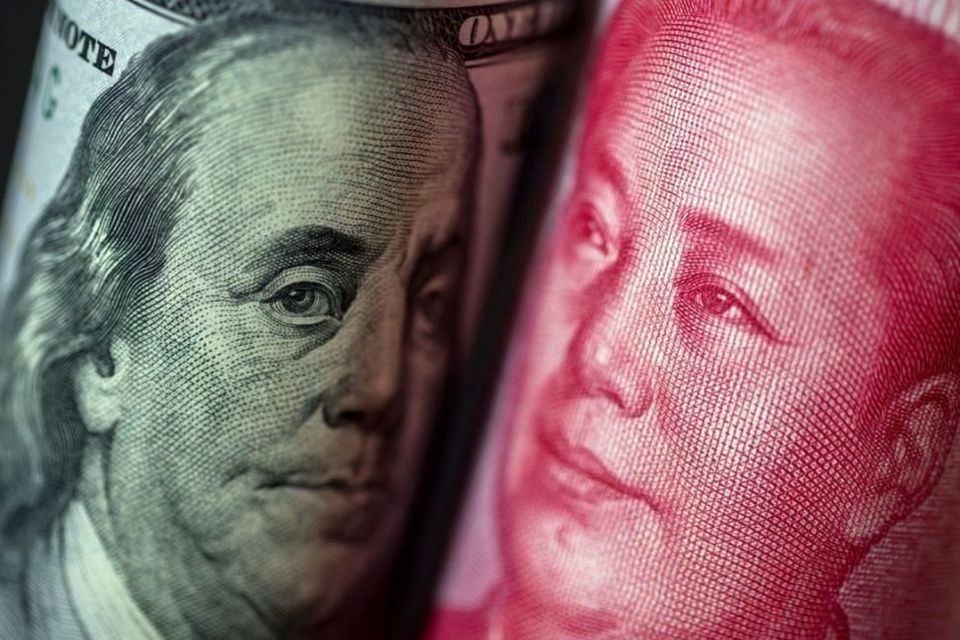

China mantiene el impulso del yuan digital en mercados nacionales e internacionales. El crecimiento de su infraestructura y del alcance de su divisa a organismos financieros responde a su objetivos de remoldear el sistema financiero internacional y reducir el monopolio del dólar. Ante tensiones geopolíticas y nuevas medidas arancelarias de Estados Unidos, la potencia asiática se encuentra un punto crucial para avanzar en sus objetivos estratégicos.
China maintains the momentum of the digital yuan in domestic and international markets. The growth of its infrastructure and the reach of its currency to financial organizations respond to its goals of reshaping the international financial system and reducing the dollar monopoly. In the face of geopolitical tensions and new US tariff measures, the Asian power finds itself at a crucial point to advance its strategic objectives.
El Banco Central de China anunció recientemente la creación de un centro digital del yuan en Shanghái, impulsando los esfuerzos nacionales por reducir su dependencia del dólar estadounidense. La iniciativa china es un nuevo paso en sus ambiciones de remodelar la economía global, frente a un escenario en donde Estados Unidos enfrenta presión sobre su monopolio del sistema monetario.
El yuan como divisa internacional
El yuan digital, o e-CNY, es la moneda digital emitida y administrada por el Banco Central de China (PBoC) y representa una alternativa al dinero en efectivo. A través de esta iniciativa se plantea la modernización del sistema financiero, la reducción del coste de las operaciones bancarias y un aumento de la inclusión financiera. Todo esto en función a un mayor control de todas operaciones financieras a nivel nacional, por parte del banco central.
La propuesta China esta en desarrollo desde el 2014, muy por delante de otras economías desarrolladas. Por ello, China no se plantea esta alternativa a nivel estrictamente nacional, sino que lo concibe como parte de su estrategia de reconfiguración del orden financiero global. La expansión del yuan digital de manera interna podría ayudar a subsanar las deficiencias que actualmente restringen el acceso de la moneda a nuevos mercados.
La propuesta de China: un Sistema Monetario Multipolar
Además de la digitalización de su moneda, el PBoC continúa su propuesta del desarrollo de un sistema monetario multipolar, en el cual el dólar no sofoque a otras divisas. La búsqueda de un sistema monetario no dependiente del dólar se ha convertido en uno de los principales discursos de política exterior de la potencia asiática. El posicionamiento del yuan como divisa de referencia, capaz de competir en igualdad de condiciones con el dólar o el euro, refleja las ambiciones de China de diversificar el sistema monetario.
La propuesta de un sistema monetario multipolar surge del monopolio que mantiene la divisa estadounidense en las transacciones comerciales a nivel global. La crítica a la dependencia del dólar se convirtió en un pilar no sólo de la agenda China, sino también de los BRICS y su estrategia de desdolarización por medio de cooperación financiera. La sobre-exposición del sistema financiero a los desequilibrios que enfrenta el dólar, prevalece como preocupación de economías del sur global y, progresivamente, también de economías desarrolladas. Los BRICS se plantean la diversificación de los organismos financieros internacionales, tradicionalmente bajo gran influencia de Estados Unidos, como vía para reducir el monopolio del dólar y aumentar la autonomía de bloques regionales.
Respuesta a la política arancelaria de Estados Unidos
La combinación de déficit fiscal y retórica proteccionista ha introducido altos niveles de incertidumbre en el mercado de divisas. Las medidas arancelarias de la administración Trump han conducido a inversionistas a analizar posibles alternativas a las operaciones en dólares. La vulnerabilidad de las inversiones ante posibles presiones geopolíticas, y la alta capacidad que mantiene Estados Unidos para ejercer sanciones unilaterales, argumenta China, es uno de las principales razones para la búsqueda de nuevas vías. Ante ello, declaran que su gobierno esta dispuesto a mantener al yuan estable ante choques externos.
La actual pérdida de confianza global en el dólar le da a China la oportunidad de poner a prueba su moneda digital y prepararse para mercados futuros. Actualmente, hay un incremento en el impulso por parte del sector privado e interés de bancos extranjeros en África y Medio Oriente, de utilizar el sistema de operaciones transfronterizo de China . Ello resulta clave al considerar que, la adaptabilidad del yuan digital en mercados extranjeros es una de los principales retos para China, considerando la alta competitividad de plataformas y divisas más establecidas.
Hacia una nueva arquitectura financiera internacional
El yuan aún no se ha podido posicionar como una de las principales divisas alternativas, como el euro o el yen japonés. Más aún, de ser posible, la desdolarización total parece estar a años de distancia, es posible que la confianza internacional en los mercados y las herramientas financieras chinas aún no esté plenamente alineada con la actual situación de los mercados de capitales globales. No obstante, la ambición china en el escenario internacional, sumado a su crecimiento de capacidades y el impulso del sector privado en China, lo posiciona para poder iniciar a plantear alternativas viables para un nuevo sistema monetario.
The Central Bank of China recently announced the creation of a digital yuan hub in Shanghai, boosting national efforts to reduce its reliance on the US dollar. The Chinese initiative is a new step in its ambitions to reshape the global economy, in a scenario where the United States faces pressure on its monopoly of the monetary system.
The Yuan as an International Currency
The digital yuan, or e-CNY, is the digital currency issued and managed by the People's Bank of China (PBoC) and represents an alternative to cash. Through this initiative, the modernization of the financial system, the reduction of banking transaction costs, and an increase in financial inclusion are proposed. All of this is geared toward greater control over all domestic financial transactions by the central bank.
The Chinese proposal has been in development since 2014, far ahead of other developed economies. Therefore, China does not conceive this alternative as strictly national, but rather as part of its strategy to reconfigure the global financial order. The domestic expansion of the digital yuan could help address the deficiencies that currently restrict the currency's access to new markets.
China's Proposal: A Multipolar Monetary System
In addition to digitizing its currency, the PBoC continues its proposal to develop a multipolar monetary system in which the dollar does not stifle other currencies. The search for a monetary system that is not dependent on the dollar has become one of the main foreign policy discourses of the Asian power. Positioning the yuan as a reference currency, capable of competing on equal terms with the dollar or the euro, reflects China's ambitions to diversify the monetary system.
The proposal for a multipolar monetary system arises from the monopoly that the US currency maintains in global commercial transactions. The critique of reliance on the dollar became a cornerstone not only of the Chinese agenda but also of the BRICS and its dedollarization strategy through financial cooperation. The overexposure of the financial system to the imbalances faced by the dollar remains a concern for economies of the Global South and, progressively, for developed economies as well. The BRICS propose the diversification of international financial organizations—traditionally under great US influence—as a way to reduce the dollar's monopoly and increase the autonomy of regional blocs.
Response to US Tariff Policy
The combination of fiscal deficit and protectionist rhetoric has introduced high levels of uncertainty into the currency market. The tariff measures of the Trump administration have led investors to analyze potential alternatives to dollar operations. The vulnerability of investments to potential geopolitical pressures, and the high capacity of the United States to enforce unilateral sanctions, China argues, is one of the main reasons for seeking new pathways. In response, they declare that their government is willing to keep the yuan stable against external shocks.
The current loss of global trust in the dollar gives China the opportunity to test its digital currency and prepare for future markets. Currently, there is an increase in momentum by the private sector and interest from foreign banks in Africa and the Middle East in utilizing China's cross-border transaction system. This is key considering that the adaptability of the digital yuan in foreign markets is one of China's main challenges, given the high competitiveness of more established platforms and currencies.
Toward a New International Financial Architecture
The yuan has not yet been able to position itself as one of the main alternative currencies, like the euro or the Japanese yen. Furthermore, even if possible, total dedollarization seems to be years away; it is possible that international trust in Chinese markets and financial tools is not yet fully aligned with the current state of global capital markets. Nevertheless, Chinese ambition on the international stage, combined with its capacity growth and private sector momentum in China, positions it to begin proposing viable alternatives for a new monetary system.
Artículos relacionados
Related articles

América Latina vuelve al tablero: por qué Estados Unidos volvió a pensar la región como prioridad
Latin America Returns to the Board: Why the United States Has Once Again Made the Region a Priority

¿Cómo financiamos una América Latina sostenible?
How could we finance a sustainable Latin America?