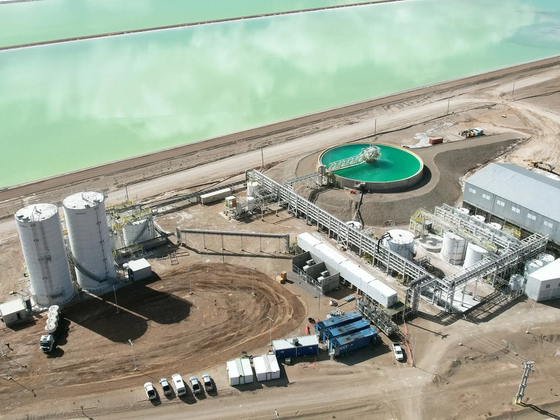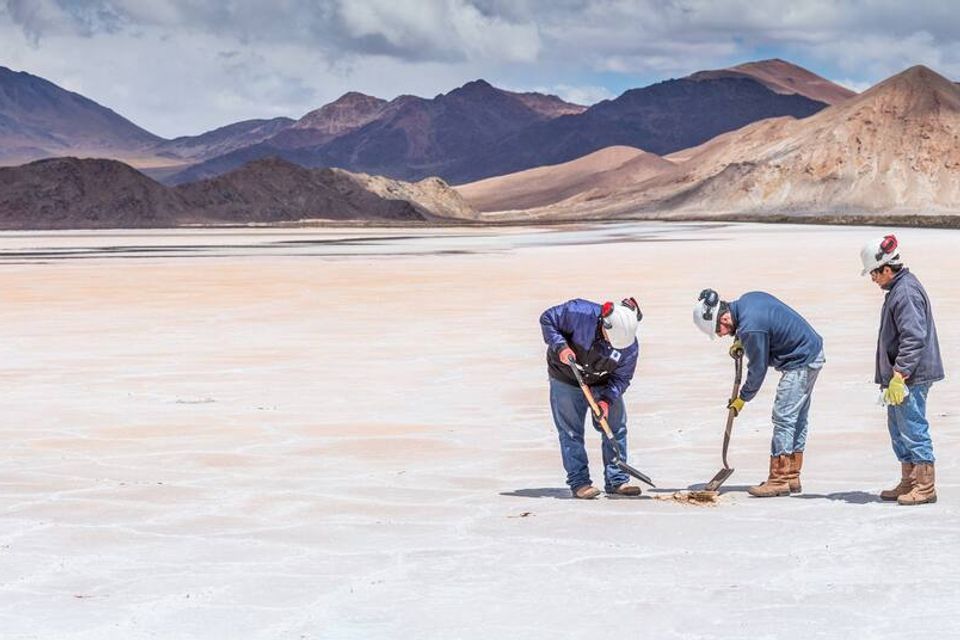

A medida que avanza la transición hacia la electromovilidad, China enfrenta el desafío de asegurar el suministro de litio, un recurso clave para la fabricación de baterías y vehículos eléctricos. Aunque actualmente lidera la cadena de producción de baterías a nivel mundial, su capacidad interna resulta insuficiente para cubrir la creciente demanda, lo que impulsa la búsqueda de fuentes externas para mantener su liderazgo a nivel internacional. En este contexto, Argentina adquiere relevancia estratégica, en tanto la región del Noroeste Argentino concentra una de las principales reservas globales de litio.
As the transition toward electromobility advances, China faces the challenge of securing the supply of lithium, a key resource for the manufacturing of batteries and electric vehicles. Although it currently leads the battery production chain globally, its domestic capacity is insufficient to meet the growing demand, which drives the search for external sources to maintain its international leadership. In this context, Argentina acquires strategic relevance, as the Argentine Northwest region concentrates one of the main global reserves of lithium.
Desde el inicio del Período de Reforma y Apertura, China ha logrado posicionarse en el sistema internacional como una potencia global con influencia creciente en múltiples regiones del mundo. En América Latina, esta proyección se ha materializado a través de una estrategia integral de soft power. Según Nye, estas estrategias consisten en “la capacidad de influir en las preferencias y comportamientos de otros actores mediante la atracción o la persuasión, más que a través de la coerción”. China ejemplifica esta forma de influencia a través de la combinación de diplomacia económica y política, donde los instrumentos comerciales y financieros funcionan como vectores de inserción en el sector del litio.
En el caso argentino, la región del Noroeste se ha transformado en un punto central para la localización y extracción del ‘oro blanco’. Según estimaciones del Servicio Geológico de los Estados Unidos, las provincias de Salta, Jujuy y Catamarca concentran entre el 10 % y el 12 % de las reservas mundiales de litio. Este panorama abre una ventana de oportunidades para Argentina, tanto en términos de generación de divisas como en atracción de inversiones extranjeras, que frecuentemente se vinculan con acuerdos bilaterales, compromisos de infraestructura y financiamiento para el desarrollo regional.
En este sentido, la relación con China puede convertirse en un motor de crecimiento si se enmarca dentro de un modelo de cooperación mutuamente beneficiosa, donde el litio no sea simplemente un recurso exportable, sino una palanca para la industrialización, la innovación tecnológica y la inclusión social. Es fundamental que el país avance hacia un marco regulatorio claro y sostenible que asegure la participación activa del Estado, las comunidades locales y el sector científico-tecnológico en toda la cadena de valor. Esto no solo permitirá maximizar los beneficios económicos, sino también garantizar que el desarrollo del litio contribuya a una matriz productiva más diversificada, con respeto por el medio ambiente y los derechos de las poblaciones originarias que habitan los territorios donde se encuentran los salares.
En definitiva, el litio representa una oportunidad histórica para ambas naciones, aunque con objetivos distintos. Para China, se trata de consolidar su influencia sobre un recurso crítico para el futuro de la electromovilidad y las energías limpias, profundizando su presencia en América Latina bajo una lógica de cooperación ‘win-win’. Mientras que, para Argentina, el desafío es aprovechar esta coyuntura para posicionarse como un socio estratégico, gracias a sus vastas reservas ubicadas en el Noroeste del país.
No obstante, el verdadero reto radica en la capacidad del Estado argentino para articular una estrategia nacional que, sin rechazar la cooperación internacional como la que propone China, garantice beneficios duraderos para el conjunto del país y, especialmente, para las provincias productoras. Esto implica avanzar hacia un modelo de desarrollo con mayor soberanía tecnológica, generación de valor agregado en origen y evitando así que la nueva geopolítica del litio reproduzca viejas formas de dependencia.
Since the beginning of the Reform and Opening-up Period, China has managed to position itself in the international system as a global power with growing influence in multiple regions of the world. In Latin America, this projection has materialized through a comprehensive soft power strategy. According to Nye, these strategies consist of “the ability to affect the preferences and behaviors of other actors through attraction or persuasion, rather than through coercion.” China exemplifies this form of influence through the combination of economic and political diplomacy, where commercial and financial instruments function as vectors of insertion into the lithium sector.
In the Argentine case, the Northwest region has transformed into a central point for the localization and extraction of 'white gold.' According to estimates by the United States Geological Survey, the provinces of Salta, Jujuy, and Catamarca concentrate between 10% and 12% of the world's lithium reserves. This landscape opens a window of opportunities for Argentina, both in terms of foreign currency generation and the attraction of foreign investments, which are frequently linked to bilateral agreements, infrastructure commitments, and financing for regional development.
In this sense, the relationship with China can become an engine of growth if it is framed within a model of mutually beneficial cooperation, where lithium is not simply an exportable resource, but a lever for industrialization, technological innovation, and social inclusion. It is fundamental for the country to move toward a clear and sustainable regulatory framework that ensures the active participation of the State, local communities, and the scientific-technological sector throughout the entire value chain. This will not only maximize economic benefits but also guarantee that lithium development contributes to a more diversified productive matrix, with respect for the environment and the rights of the indigenous populations inhabiting the territories where the salt flats are located.
In short, lithium represents a historical opportunity for both nations, albeit with different objectives. For China, it is about consolidating its influence over a critical resource for the future of electromobility and clean energies, deepening its presence in Latin America under a 'win-win' cooperation logic. Meanwhile, for Argentina, the challenge is to seize this conjuncture to position itself as a strategic partner, thanks to its vast reserves located in the Northwest of the country.
Nevertheless, the true challenge lies in the ability of the Argentine State to articulate a national strategy that, without rejecting international cooperation such as that proposed by China, guarantees lasting benefits for the country as a whole and, especially, for the producing provinces. This implies moving toward a development model with greater technological sovereignty and value-added generation at the source, thereby preventing the new geopolitics of lithium from reproducing old forms of dependency.
Artículos relacionados
Related articles

América Latina vuelve al tablero: por qué Estados Unidos volvió a pensar la región como prioridad
Latin America Returns to the Board: Why the United States Has Once Again Made the Region a Priority

¿Cómo financiamos una América Latina sostenible?
How could we finance a sustainable Latin America?