
Desde la llegada de Donald Trump a la presidencia de Estados Unidos, la pugna global entre Pekín y Washington se ha convertido en un eje central de la agenda latinoamericana. Argentina no ha permanecido al margen: mientras avanza en acuerdos económicos con China, sostiene a la vez instancias de diálogo y comercio recíproco con Estados Unidos. Ese contraste ilustra la dualidad política-económica que atraviesa Argentina, un país con crisis internas que busca inversiones extranjeras y mercados de exportación.
Since Donald Trump's arrival to the presidency of the United States, the global struggle between Beijing and Washington has become a central axis of the Latin American agenda. Argentina has not remained on the sidelines: while advancing in economic agreements with China, it simultaneously maintains instances of dialogue and reciprocal trade with the United States. This contrast illustrates the political-economic duality crossing Argentina, a country with internal crises seeking foreign investments and export markets.
Socios comerciales clave
Argentina mantiene importantes lazos comerciales tanto con China como con EEUU. El país oriental es el segundo socio comercial del país, con un intercambio bilateral que alcanzó US$16.350 millones en 2024. Por su parte, Estados Unidos es el tercero en la lista, con alrededor de US$12.000 millones anuales. Adicionalmente, es el principal protagonista en términos de inversión extranjera directa (IED) en Argentina.
Vinculación con China
Tanto en términos políticos como económicos, China y Argentina mantienen una relación estratégica. En 2022 Argentina se adhirió a la Iniciativa de la Franja y la Ruta (BRI), enfocada en financiar grandes obras de infraestructura y energía. En este marco, China ha financiado carreteras, centrales hidroeléctricas y puertos en la región, en donde Argentina también se vio beneficiada. Un ejemplo de esto es la construcción de una estación espacial en Neuquén en colaboración con la administración china. De esta manera, China es hoy un socio imprescindible para la economía argentina, especialmente en sectores como energía, minería y agro-negocios.
En el ámbito económico, China es el principal comprador de commodities argentinos, sobre todo en términos de carne y oleaginosas. En 2025, como consecuencia de la guerra comercial, las compras chinas de soja se reorientaron: Argentina exportó cuatro veces más que en julio de 2024, en gran parte con destino al país asiático.
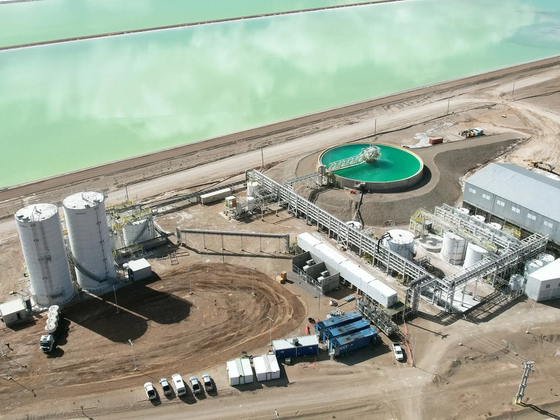
En el sector minero, China fue el principal exportador en 2024, concentrando el 44,9% del total exportado, duplicando la actividad estadounidense que fue del 22,8%. Las provincias del noroeste argentino (NOA) fueron el foco de las exportaciones, principalmente las provincias de Catamarca, Jujuy y Salta, donde significaron el 75,9% de las ventas al exterior. En este sector, el litio continúa liderando las exportaciones mineras del NOA, representando el 45,8% de los envíos al exterior.
Además, China ha ofrecido apoyo financiero decisivo. En abril de 2025 el Banco Central argentino renovó un swap de divisas de US$5.000 M con China, que el gobierno argentino utiliza para estabilizar reservas. Este hecho se dio justo antes de la visita del secretario del Tesoro de EEUU, Scott Bessent, a Buenos Aires. Respecto a esto, el gobierno chino destacó que este apoyo es libre de condiciones políticas, contrastando con la asistencia occidental.
Vinculación con Estados Unidos
La relación comercial Argentina-EEUU es menor, pero relevante. EEUU sigue siendo un mercado clave para la energía y los alimentos de Argentina. El 36 % de las exportaciones argentinas hacia dicho país corresponden a petróleo crudo y gas, impulsadas por Vaca Muerta. En inversión y servicios, la provisión de tecnología y capital es crucial, ubicándose en 2024 como el mayor proveedor global de IED con un stock de USD 28.875 millones. Además, las empresas norteamericanas están hoy presentes en sectores clave argentinos, como el automotriz, energético y tecnológico.
Políticamente, el vínculo argentino con EEUU cobró fuerza bajo el gobierno de Milei. Durante este periodo, el gobierno argentino ha cuestionado la rigidez del Mercosur promoviendo un Acuerdo de Libre Comercio (ALC) con EEUU, al punto de sugerir que Argentina podría salir del bloque si es necesario para negociar de forma bilateral. Milei considera que un pacto con EEUU “reforzaría la posición internacional de Argentina en medio de condiciones económicas desafiantes”. De hecho, su administración impulsa reformas de libre mercado con el objetivo de atraer inversores estadounidenses y mejorar el acceso argentino al gran mercado norteamericano.
No sorprende que figuras como Donald Trump hayan expresado apoyo a las reformas de Milei y que el propio Milei haya estrechado relaciones con líderes republicanos. Sin embargo, negociar un ALC con EEUU es un proceso largo y la urgencia de las próximas elecciones argentinas hace poco probable cerrarlo en el corto plazo.
Rivalidad China-EEUU en Argentina
América Latina es a menudo descrita como el “patio trasero” de Estados Unidos, y desde Washington existe un recelo causado por la creciente influencia china. El país asiático, por su parte, ve en la región un socio natural para abastecerse de alimentos y materias primas, reclamando su presencia como “sin condicionamientos políticos”.
En Argentina esta competencia se ha manifestado en múltiples frentes. Por ejemplo, en abril de 2025 el secretario del Tesoro Bessent acusó a China de firmar “acuerdos abusivos etiquetados como ayuda” y mostró preocupación por inversiones chinas en infraestructura, lo que provocó una réplica inmediata de la Embajada china defendiendo su política de apoyo sin restricciones.
En términos económicos, analistas como Gabriel Merino señalan que EEUU exige a sus socios latinoamericanos frenar las inversiones chinas mientras “da poco a cambio”. China, en contraste, está apostando por una “paciencia estratégica”: pese a los obstáculos y advertencias norteamericanas, continuará expandiendo su comercio y financiando proyectos en Latinoamérica al entender que la cooperación regional es fundamental para sus objetivos.
Implicancias políticas y económicas
En la práctica, Argentina equilibra esta disputa a su favor sin arriesgar las relaciones con China y EEUU. Por un lado, busca maximizar beneficios económicos de ambos países: asegura financiamiento chino y demanda por sus exportaciones, al mismo tiempo que muestra voluntad política de profundizar el diálogo con EEUU.
Por ejemplo, la compra de 24 cazas F-16 a Dinamarca en 2024 demostró a Estados Unidos que su acercamiento comercial a China no implica dejar atrás a sus socios tradicionales al optar por aeronaves de fabricación occidental. Tras la compra, y por orden del Gobierno Argentino, el ministro de defensa Luis Petri viajó a una reunión con la Organización del Tratado del Atlántico Norte (OTAN). La transacción fue avalada por Washington, y presentada como contrapeso estratégico a los lazos con China.
Milei y su equipo insisten en que el comercio es “con todo el mundo”, pero siempre con ‘democracias liberales’, aludiendo a alinearse más con Occidente. En contraste, diplomáticos chinos remarcan la idea de “igualdad y beneficio mutuo” en su asociación con Argentina.
¿Y ahora?
Argentina se encuentra en una encrucijada geopolítica: necesitará navegar con pragmatismo entre dos grandes potencias. La rivalidad China-EEUU ofrece oportunidades e impone presiones . Así, Buenos Aires busca “cubrir la apuesta” simultáneamente con ambos lados de la grieta global, tratando de aprovechar recursos y mercados sin ceder excesivamente soberanía ni depender solo de uno de ellos.
Key Trading Partners
Argentina maintains important commercial ties with both China and the US. The Eastern country is the nation's second-largest trading partner, with bilateral exchange reaching US$ 16.35 billion in 2024. For its part, the United States is third on the list, with around US$ 12 billion annually. Additionally, it is the main protagonist in terms of foreign direct investment (FDI) in Argentina.
Link with China
In both political and economic terms, China and Argentina maintain a strategic relationship. In 2022, Argentina adhered to the Belt and Road Initiative (BRI), focused on financing major infrastructure and energy works. Within this framework, China has financed highways, hydroelectric plants, and ports in the region, from which Argentina has also benefited. An example of this is the construction of a space station in Neuquén in collaboration with the Chinese administration. In this manner, China is today an indispensable partner for the Argentine economy, especially in sectors such as energy, mining, and agribusiness.
In the economic sphere, China is the main buyer of Argentine commodities, especially regarding meat and oilseeds. In 2025, as a consequence of the trade war, Chinese soy purchases were reoriented: Argentina exported four times more than in July 2024, largely destined for the Asian country.
In the mining sector, China was the top exporter in 2024, concentrating 44.9% of the total exported, doubling American activity, which stood at 22.8%. The provinces of the Argentine Northwest (NOA) were the focus of these exports, principally the provinces of Catamarca, Jujuy, and Salta, where they represented 75.9% of overseas sales. In this sector, lithium continues to lead the mining exports of the NOA, accounting for 45.8% of shipments abroad.
Furthermore, China has offered decisive financial support. In April 2025, the Argentine Central Bank renewed a US$ 5 billion currency swap with China, which the Argentine government uses to stabilize reserves. This event took place just before the visit of the US Treasury Secretary, Scott Bessent, to Buenos Aires. Regarding this, the Chinese government highlighted that this support is free of political conditions, contrasting it with Western assistance.
Link with the United States
The commercial relationship between Argentina and the US is smaller, yet relevant. The US remains a key market for Argentina's energy and food. Thirty-six percent of Argentine exports to that country correspond to crude oil and gas, driven by Vaca Muerta. In investment and services, the provision of technology and capital is crucial, ranking in 2024 as the largest global provider of FDI with a stock of USD 28.875 billion. Furthermore, American companies are today present in key Argentine sectors, such as automotive, energy, and technology.
Politically, the Argentine bond with the US gained momentum under the Milei government. During this period, the Argentine government has questioned the rigidity of Mercosur, promoting a Free Trade Agreement (FTA) with the US, to the point of suggesting that Argentina could leave the bloc if necessary to negotiate bilaterally. Milei considers that a pact with the US “would reinforce Argentina's international position amid challenging economic conditions.” In fact, his administration drives free-market reforms with the objective of attracting American investors and improving Argentine access to the large North American market.
It is not surprising that figures like Donald Trump have expressed support for Milei's reforms and that Milei himself has tightened relations with Republican leaders. However, negotiating an FTA with the US is a long process, and the urgency of the upcoming Argentine elections makes closing it in the short term unlikely.
China-US Rivalry in Argentina
Latin America is often described as the “backyard” of the United States, and from Washington, there is suspicion caused by growing Chinese influence. The Asian country, for its part, sees the region as a natural partner to supply itself with food and raw materials, claiming its presence is “without political conditions.”
In Argentina, this competition has manifested on multiple fronts. For example, in April 2025, Treasury Secretary Bessent accused China of signing “predatory deals labeled as aid” and showed concern over Chinese investments in infrastructure, which provoked an immediate reply from the Chinese Embassy defending its policy of restriction-free support.
In economic terms, analysts like Gabriel Merino point out that the US demands its Latin American partners to halt Chinese investments while “giving little in return.” China, in contrast, is betting on a “strategic patience”: despite North American obstacles and warnings, it will continue to expand its trade and finance projects in Latin America, understanding that regional cooperation is fundamental to its objectives.
Political and Economic Implications
In practice, Argentina balances this dispute to its advantage without risking relations with China and the US. On one hand, it seeks to maximize economic benefits from both countries: it secures Chinese financing and demand for its exports, while simultaneously showing the political will to deepen dialogue with the US.
For example, the purchase of 24 F-16 fighters from Denmark in 2024 demonstrated to the United States that its commercial rapprochement with China does not imply leaving behind its traditional partners by opting for Western-manufactured aircraft. Following the purchase, and by order of the Argentine Government, Defense Minister Luis Petri traveled to a meeting with the North Atlantic Treaty Organization (NATO). The transaction was endorsed by Washington and presented as a strategic counterweight to ties with China.
Milei and his team insist that trade is “with the whole world,” but always with ‘liberal democracies,’ alluding to aligning more with the West. In contrast, Chinese diplomats underscore the idea of “equality and mutual benefit” in their association with Argentina.
What Now?
Argentina finds itself at a geopolitical crossroads: it will need to navigate with pragmatism between two great powers. The China-US rivalry offers opportunities and imposes pressures. Thus, Buenos Aires seeks to “hedge its bets” simultaneously with both sides of the global rift, trying to leverage resources and markets without excessively ceding sovereignty or depending on just one of them.
Artículos relacionados
Related articles
América Latina vuelve al tablero: por qué Estados Unidos volvió a pensar la región como prioridad
Latin America Returns to the Board: Why the United States Has Once Again Made the Region a Priority

¿Cómo financiamos una América Latina sostenible?
How could we finance a sustainable Latin America?