La diplomacia del clima
Climate Diplomacy
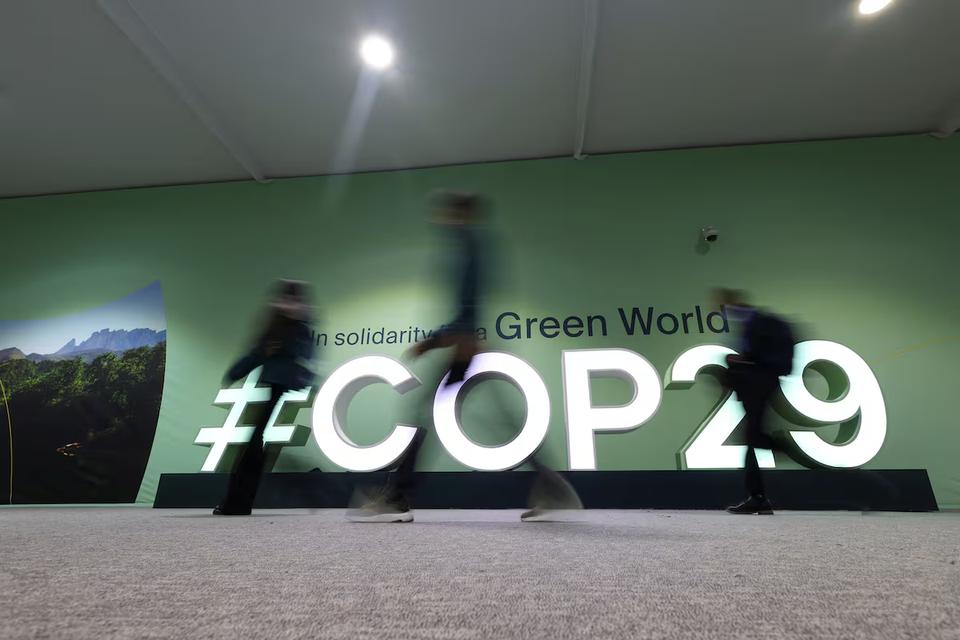

El cambio climático es hoy un tema político y estratégico de alcance global. América Latina necesita impulsar alianzas regionales y participar en acuerdos que orienten la acción climática global y establezcan metas comunes para todos los países. En este escenario surge la “diplomacia del clima”, un tipo de política exterior que busca coordinar esfuerzos internacionales y avanzar hacia metas climáticas comunes y, a la vez, equilibrar desarrollo y sostenibilidad.
Climate change is today a political and strategic issue of global reach. Latin America needs to drive regional alliances and participate in agreements that guide global climate action and establish common goals for all countries. In this scenario emerges "climate diplomacy," a type of foreign policy that seeks to coordinate international efforts and move toward common climate goals while balancing development and sustainability.
El cambio climático redefinió la política internacional. Los países ya no negocian solo por territorios o mercados, sino por cuotas de carbono, acceso a la tecnología y liderazgo verde. Las potencias globales impulsan metas ambiciosas de reducción de emisiones, pero muchas veces no atienden las dificultades que los países de menores niveles de desarrollo relativo. En respuesta, América Latina intenta construir una postura regional más clara para intervenir de manera efectiva en los acuerdos internacionales.
La región latinoamericana cuenta con recursos clave que influyen en la agenda climática global. Posee litio, grandes extensiones de bosques y una de las mayores reservas de agua dulce del mundo. Estos elementos generan oportunidades de cooperación, pero también requieren políticas que promuevan un uso sostenible y acuerdos que eviten prácticas extractivas que dañen los ecosistemas.
La transición hacia energías limpias es una parte central de este escenario global. Sin embargo, no todos los países avanzan al mismo ritmo ni cuentan con las mismas capacidades técnicas o financieras para hacerlo. En América Latina, la dependencia de los hidrocarburos y la falta de infraestructura limitan los progresos. Aún así, la región posee ventajas únicas: abundante radiación solar, vientos constantes y reservas de litio esenciales para la electromovilidad. Aprovechar estos recursos requiere políticas coordinadas, marcos regulatorios claros y alianzas internacionales que aseguren la transferencia tecnológica. Si los países logran combinar desarrollo económico con sostenibilidad, la región puede consolidarse como un actor relevante en la agenda climática global.
Cooperación y justicia ambiental
La cooperación internacional es clave para enfrentar el cambio climático y también debe garantizar equidad. Los países más afectados suelen ser los que menos contribuyeron a la crisis ambiental. Los fondos climáticos y las alianzas multilaterales deben priorizar políticas inclusivas que protejan tanto al ambiente como a las comunidades, tal como señalan organismos como la Comisión Económica para América Latina y el Caribe (CEPAL) y el Panel Intergubernamental sobre el Cambio Climático (IPCC) en sus evaluaciones sobre vulnerabilidad climática en la región. La justicia ambiental implica reconocer estas diferencias y promover soluciones compartidas. En ese sentido, la diplomacia del clima no solo negocia metas, sino también derechos y oportunidades.
Los organismos internacionales alertan a la comunidad internacional y a los países latinoamericanos sobre la magnitud del desafío en dichas evaluaciones recientes sobre riesgos climáticos. Según el IPCC, la región es una de las más vulnerables al aumento de temperaturas y a la intensificación de fenómenos extremos. A su vez, distintos informes del IPCC y la CEPAL argumentan que la región latinoamericana es vulnerable a varios tipos de impactos: eventos climáticos extremos, estrés hídrico, daños en infraestructura y efectos económicos crecientes. Frente a este escenario, los países necesitan acceder a financiamiento verde, cooperación técnica y alianzas que permitan desarrollar infraestructura adaptada. Estas herramientas fortalecen las capacidades locales y garantizan una participación más justa de la región en la acción climática global.
Un nuevo camino para América Latina
La diplomacia del clima muestra que el cambio climático ya no es solo un desafío ambiental, sino una cuestión que define relaciones internacionales, inversiones y modelos de desarrollo. América Latina tiene la posibilidad de participar de manera más activa en este proceso global. La región cuenta con recursos estratégicos, capacidades técnicas en crecimiento y una posición clave en los debates sobre mitigación y adaptación.
Para aprovechar estas ventajas, los países necesitan coordinación interna, alianzas regionales y vínculos sólidos con organismos internacionales. La cooperación climática puede ofrecer financiamiento, tecnología y apoyo institucional para impulsar una transición justa y sostenible. La acción conjunta permitirá que la región defina su lugar en el nuevo mapa del poder climático y contribuya a un futuro más seguro para las próximas generaciones.
Climate change has redefined international politics. Countries no longer negotiate solely for territories or markets, but for carbon quotas, access to technology, and green leadership. Global powers push for ambitious emission reduction targets, but often fail to address the difficulties faced by countries with lower relative levels of development. In response, Latin America is attempting to construct a clearer regional stance to intervene effectively in international agreements.
The Latin American region possesses key resources that influence the global climate agenda. It holds lithium, vast forest expanses, and one of the largest freshwater reserves in the world. These elements generate opportunities for cooperation, but they also require policies that promote sustainable use and agreements that prevent extractive practices from damaging ecosystems.
The transition toward clean energies is a central part of this global landscape. However, not all countries advance at the same pace or possess the same technical or financial capacities to do so. In Latin America, reliance on hydrocarbons and a lack of infrastructure limit progress. Even so, the region possesses unique advantages: abundant solar radiation, constant winds, and lithium reserves essential for electromobility. Capitalizing on these resources requires coordinated policies, clear regulatory frameworks, and international alliances that ensure technology transfer. If countries manage to combine economic development with sustainability, the region can consolidate itself as a relevant actor in the global climate agenda.
Cooperation and environmental justice
International cooperation is key to confronting climate change and must also guarantee equity. The countries most affected are usually those that contributed the least to the environmental crisis. Climate funds and multilateral alliances must prioritize inclusive policies that protect both the environment and communities, as noted by organizations such as the Economic Commission for Latin America and the Caribbean (ECLAC/CEPAL) and the Intergovernmental Panel on Climate Change (IPCC) in their evaluations on climate vulnerability in the region. Environmental justice implies recognizing these differences and promoting shared solutions. In that sense, climate diplomacy negotiates not only targets, but also rights and opportunities.
International organizations alert the international community and Latin American countries to the magnitude of the challenge in these recent assessments of climate risks. According to the IPCC, the region is one of the most vulnerable to rising temperatures and the intensification of extreme phenomena. In turn, various reports from the IPCC and ECLAC argue that the Latin American region is vulnerable to multiple types of impacts: extreme weather events, water stress, infrastructure damage, and growing economic effects. Faced with this scenario, countries need access to green financing, technical cooperation, and alliances that allow for the development of adapted infrastructure. These tools strengthen local capacities and guarantee a fairer participation of the region in global climate action.
A new path for Latin America
Climate diplomacy shows that climate change is no longer just an environmental challenge, but an issue that defines international relations, investments, and development models. Latin America has the opportunity to participate more actively in this global process. The region possesses strategic resources, growing technical capabilities, and a key position in debates over mitigation and adaptation.
To take advantage of these benefits, countries need internal coordination, regional alliances, and solid links with international organizations. Climate cooperation can offer financing, technology, and institutional support to drive a just and sustainable transition. Joint action will allow the region to define its place on the new map of climate power and contribute to a safer future for the coming generations.
Artículos relacionados
Related articles
América Latina vuelve al tablero: por qué Estados Unidos volvió a pensar la región como prioridad
Latin America Returns to the Board: Why the United States Has Once Again Made the Region a Priority

¿Cómo financiamos una América Latina sostenible?
How could we finance a sustainable Latin America?