Siria después de Assad: ganadores, perdedores y el futuro del país tras la caída del régimen
Syria After Assad: Winners, Losers, and the Future of the Country Following the Fall of the Regime
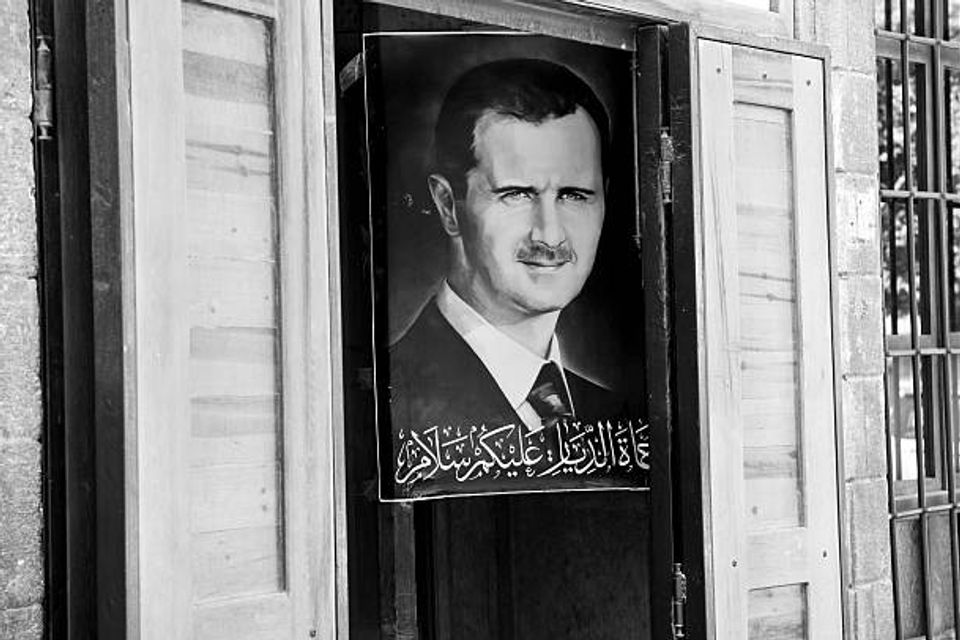

El pasado 8 de diciembre marcó un hito histórico en Oriente Próximo. Tras intensos combates en las ciudades sirias de Homs y Alepo, las fuerzas rebeldes tomaron la capital, Damasco. Aquello culminó con la caída de Bashar Al Assad, poniendo fin a más de cincuenta años de dominio político ejercido por el régimen Baazista. ¿Cómo cambió el equilibrio de poder en la región? ¿Qué países se han visto perjudicados o beneficiados por este suceso? A continuación, realizaremos un breve análisis sobre su impacto país por país e indagaremos sobre posibles escenarios sobre su futuro.
December 8 marked a historical milestone in the Middle East. Following intense fighting in the Syrian cities of Homs and Aleppo, rebel forces captured the capital, Damascus. This culminated in the fall of Bashar Al Assad, putting an end to more than fifty years of political dominance exercised by the Baathist regime. How did the balance of power shift in the region? Which countries have been harmed or benefited by this event? Below, we will conduct a brief analysis of its impact country by country and investigate potential scenarios for its future.
Irán
Luego de una larga historia de apoyo político, económico y militar en la lucha de Assad contra los rebeldes durante la guerra civil, el régimen liderado por Khamenei es el más perjudicado debido a que se debilitó su proyección del poder en la región.
Por otro lado, a través del cambio de gobierno en Siria y la toma terrestre de los Altos del Golán por Israel, se pone en riesgo la operatividad del puente terrestre que conectaba dicho país con el Líbano, utilizado por Irán para suministrar recursos a su milicia proxy, Hezbollah, que actualmente combate a Israel en el sur del país.
Además, la caída del régimen pone en peligro a la población alauita. A pesar que representan aproximadamente el 10% o más de la población siria, son una minoría en cuanto a su pertenencia a la rama Chiita del Islam, al igual que los iraníes, frente a una mayoría de suníes en el país. El mismo Assad proviene de este sector, por lo que su presencia puede verse como un reflejo del pasado a ser eliminado por el sunismo rebelde.
Israel
Si bien no comparte una alineación política con el nuevo gobierno rebelde, Tel Aviv se ha beneficiado de la caída del régimen baazista en términos estratégicos.
En primer lugar, le permitió apoderarse de la zona desmilitarizada de los Altos del Golán, una región de suma importancia bélica para Tel Aviv. Su gran altura es una barrera natural contra cualquier ataque militar por parte de Siria o su enemigo en el norte, Hezbollah. Además, la caída del régimen permitió a Israel destruir hasta el 80% de las capacidades militares sirias, dejando al país prácticamente desprovisto de buques, aviones de combate y sistemas de defensa aérea.
Una Siria en estas condiciones ofrece a Israel la oportunidad de establecer un corredor seguro que facilite la realización de posibles ataques aéreos preventivos contra su gran enemigo, Irán.
Turquía
Turquía ha desempeñado un rol fundamental en la caída de Assad no solo por su apoyo al grupo rebelde que tomó el poder, HTS, sino también al ejército nacional sirio, en su lucha contra las fuerzas independentistas kurdas en el norte (SDF), consideradas una organización terrorista por el gobierno turco.
En su objetivo de mantener a las SDF lo más alejado posible de la frontera con Siria y de evitar levantamientos separatistas en el sureste turco, la toma del poder por HTS le permite a Ankara extender su presencia en los territorios ocupados en el norte Sirio, zona disputada con la milicia kurda. Además, con el aval del actual gobierno rebelde, tendrá mayor autonomía para combatirlos en Siria.
Arabia Saudí
Debido a que en los últimos tiempos el vínculo bilateral entre Siria y el país del golfo comenzó a reconstruirse con sucesos como la reincorporación de Siria a la liga árabe o la reapertura de su embajada en Damasco, resulta complejo considerar a Riad estrictamente como un beneficiario de la caída del régimen baazista.
Sin embargo, es importante recordar que la normalización de las relaciones es muy reciente, ya que durante la guerra civil, el país del golfo financió al grupo rebelde ENS (al igual que Turquía) que combatió al gobierno de Assad, en su objetivo de debilitar la influencia chiíta y el eje iraní en Siria.
A partir de ello, este cambio de gobierno ofrece al país del golfo una gran oportunidad para ejercer una influencia significativa sobre el futuro de Siria, tanto a nivel político como financiero.
Conclusión
A pesar de las recientes declaraciones del líder de HTS, Ahmad al Shaara, orientadas hacia el pluralismo y de los gestos por parte de occidente de construir relaciones diplomáticas y reconsiderar la clasificación del grupo como una organización terrorista, el futuro de Siria sigue siendo profundamente incierto.
Es importante recordar que HTS surgió como una rama de Al Qaeda, lo que genera dudas sobre sus verdaderas intenciones en el ejercicio del poder
Un factor que vuelve a Siria un país complejo es la diversidad de su población. Los cambios en las dinámicas de poder pueden exacerbar las hostilidades entre los distintos grupos étnicos, cuyas prioridades e intereses suelen ser contradictorios. A partir de ello, un escenario muy posible para el futuro es el de una mayor fragmentación social y conflicto entre facciones.
En línea con los resultados observados tras la Primavera Árabe en otros países de la región, donde los movimientos prometían democracia pero frecuentemente derivaron en situaciones opuestas, es poco probable que Siria experimente una transición democrática en el futuro cercano.
Iran
Following a long history of political, economic, and military support in Assad's fight against the rebels during the civil war, the regime led by Khamenei is the hardest hit due to the weakening of its power projection in the region.
On the other hand, through the change of government in Syria and the land seizure of the Golan Heights by Israel, the operability of the land bridge connecting that country with Lebanon is put at risk—a route used by Iran to supply resources to its proxy militia, Hezbollah, which is currently fighting Israel in the south of the country.
Furthermore, the fall of the regime puts the Alawite population in danger. Although they represent approximately 10% or more of the Syrian population, they are a minority in terms of their adherence to the Shia branch of Islam, just like the Iranians, compared to a Sunni majority in the country. Assad himself comes from this sector, so their presence may be seen as a reflection of the past to be eliminated by the rebel Sunnism.
Israel
Although it does not share a political alignment with the new rebel government, Tel Aviv has benefited from the fall of the Baathist regime in strategic terms.
In the first place, it allowed it to seize the demilitarized zone of the Golan Heights, a region of utmost military importance for Tel Aviv. Its high altitude forms a natural barrier against any military attack by Syria or its enemy to the north, Hezbollah. Furthermore, the fall of the regime allowed Israel to destroy up to 80% of Syrian military capabilities, leaving the country practically devoid of naval vessels, fighter jets, and air defense systems.
A Syria under these conditions offers Israel the opportunity to establish a secure corridor that facilitates the execution of potential preemptive airstrikes against its great enemy, Iran.
Turkey
Turkey has played a fundamental role in the fall of Assad, not only due to its support for the rebel group that took power, HTS, but also for the Syrian National Army in its fight against the Kurdish independence forces in the north (SDF), which are considered a terrorist organization by the Turkish government.
In its objective to keep the SDF as far away as possible from the Syrian border and to prevent separatist uprisings in southeastern Turkey, the seizure of power by HTS allows Ankara to extend its presence in the occupied territories of northern Syria, an area disputed with the Kurdish militia. Furthermore, with the endorsement of the current rebel government, it will have greater autonomy to combat them in Syria.
Saudi Arabia
Given that in recent times the bilateral bond between Syria and the Gulf country had begun to be rebuilt with events such as Syria's readmission into the Arab League or the reopening of its embassy in Damascus, it is complex to consider Riyadh strictly as a beneficiary of the fall of the Baathist regime.
However, it is important to remember that the normalization of relations is very recent, since during the civil war, the Gulf country financed the rebel group SNA (just like Turkey) that fought the Assad government, with the objective of weakening Shia influence and the Iranian axis in Syria.
Based on this, this change of government offers the Gulf country a great opportunity to exert significant influence over the future of Syria, both at the political and financial levels.
Conclusion
Despite recent statements by HTS leader Ahmad al-Shaara oriented toward pluralism and gestures by the West to build diplomatic relations and reconsider the group's classification as a terrorist organization, the future of Syria remains deeply uncertain.
It is important to remember that HTS emerged as a branch of Al-Qaeda, which raises doubts regarding its true intentions in the exercise of power.
A factor that makes Syria a complex country is the diversity of its population. Shifts in power dynamics can exacerbate hostilities between different ethnic groups whose priorities and interests are frequently contradictory. Based on this, a highly possible scenario for the future is that of greater social fragmentation and factional conflict.
In line with the results observed following the Arab Spring in other countries of the region, where movements promised democracy but frequently drifted into opposite situations, it is unlikely that Syria will experience a democratic transition in the near future.
Artículos relacionados
Related articles
América Latina vuelve al tablero: por qué Estados Unidos volvió a pensar la región como prioridad
Latin America Returns to the Board: Why the United States Has Once Again Made the Region a Priority

¿Cómo financiamos una América Latina sostenible?
How could we finance a sustainable Latin America?