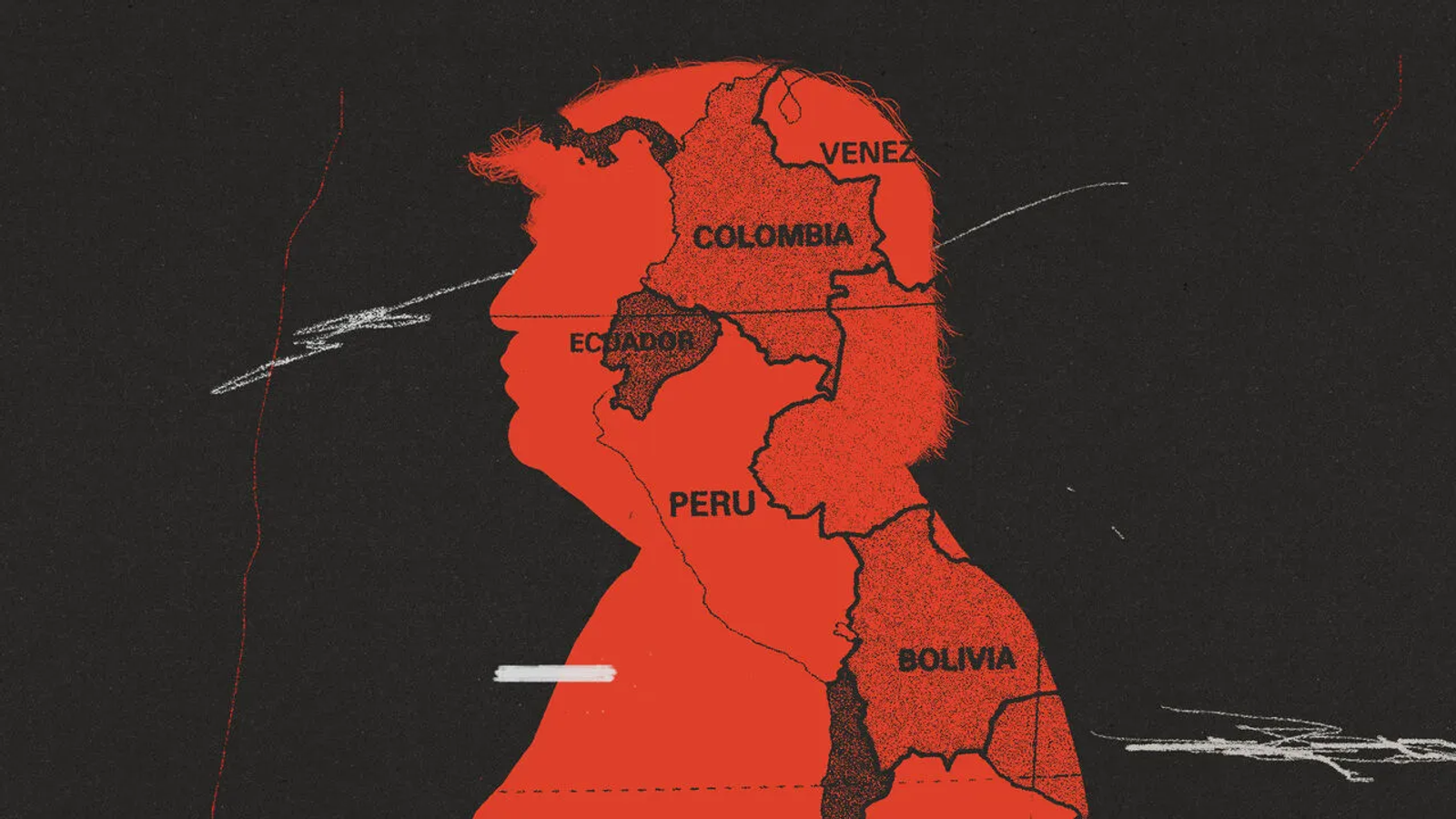
América Latina vuelve al tablero: por qué Estados Unidos volvió a pensar la región como prioridad
Latin America Returns to the Board: Why the United States Has Once Again Made the Region a Priority
La creciente influencia de China y un escenario regional cada vez más fragmentado devolvieron a América Latina al centro de la estrategia estadounidense. El regreso de Washington a la región abre un interrogante: ¿estamos frente a una nueva política exterior o ante la recuperación de una lógica histórica de poder hemisférico?
China's growing influence and an increasingly fragmented regional landscape have returned Latin America to the center of U.S. strategy. Washington's return to the region raises a question: are we facing a new foreign policy or the recovery of a historical logic of hemispheric power?

¿Cómo financiamos una América Latina sostenible?
How could we finance a sustainable Latin America?
América Latina es una de las regiones particularmente vulnerables a los efectos del cambio climático. No obstante, persiste aún una disparidad entre el financiamiento disponible y el necesario para un correcto desarrollo de estrategias de adaptación y mitigación. La capacidad de lograr dicha transición se ve condicionada por limitantes estructurales que dificultan el acceso al capital necesario. Esta doble dificultad nos invita a cuestionar qué implica para América Latina enfrentar el cambio climático desde su posición como países en vías de desarrollo y qué rol juegan factores como la deuda externa en este escenario.
Latin America is one of the regions particularly vulnerable to the effects of climate change. However, a disparity still persists between available funding and what is necessary for the proper development of adaptation and mitigation strategies. The ability to achieve this transition is conditioned by structural constraints that hamper access to the required capital. This double difficulty invites us to question what it implies for Latin America to face climate change from its position as developing countries and what role factors such as external debt play in this scenario.

El potencial argentino en la cadena del litio
Value addition in the lithium chain: Argentina's great potential
El litio se ha convertido en un material fundamental para la transición energética global. En este contexto, la Argentina se posiciona como un actor clave en su cadena de suministro, ya que concentra el 22% de los recursos identificados a nivel global. A pesar de ello, las oportunidades asociadas a su explotación son limitadas, puesto que el país solo exporta carbonato de litio sin agregar valor local. Surge así una pregunta inevitable: ¿podría la Argentina revertir esta tendencia, avanzando en la cadena de valor y promoviendo encadenamientos productivos y desarrollo tecnológico local?
Lithium has become a key material for the global energy transition. In this context, Argentina is positioned as a key player in its supply chain, as it concentrates 22% of globally identified resources. Despite this, the opportunities associated with its exploitation are limited, since the country only exports lithium carbonate without adding local value. An inevitable question thus arises: could Argentina reverse this trend, moving up the value chain and promoting productive linkages and local technological development?

Paradiplomacia y nuevas formas de inserción internacional en Argentina
Paradiplomacy and new forms of international insertion in Argentina
Frente a la creciente participación de actores subnacionales en la política internacional, el enfoque estadocéntrico de la disciplina se encuentra atravesando profundas transformaciones. En este contexto, las provincias y municipios argentinos han desarrollado diversas estrategias vinculadas al desarrollo local, como la paradiplomacia y las redes de ciudades. La expansión de estas dinámicas abre interrogantes sobre el papel de los gobiernos subnacionales en el plano global y su articulación con la política exterior nacional.
Faced with the growing participation of subnational actors in international politics, the state-centric approach of the discipline is undergoing profound transformations. In this context, Argentine provinces and municipalities have developed various strategies linked to local development, such as paradiplomacy and city networks. The expansion of these dynamics raises questions about the role of subnational governments on the global stage and their articulation with national foreign policy.
América Latina vuelve al tablero: por qué Estados Unidos volvió a pensar la región como prioridad
Latin America Returns to the Board: Why the United States Has Once Again Made the Region a Priority
La creciente influencia de China y un escenario regional cada vez más fragmentado devolvieron a América Latina al centro de la estrategia estadounidense. El regreso de Washington a la región abre un interrogante: ¿estamos frente a una nueva política exterior o ante la recuperación de una lógica histórica de poder hemisférico?
China's growing influence and an increasingly fragmented regional landscape have returned Latin America to the center of U.S. strategy. Washington's return to the region raises a question: are we facing a new foreign policy or the recovery of a historical logic of hemispheric power?

¿Cómo financiamos una América Latina sostenible?
How could we finance a sustainable Latin America?
América Latina es una de las regiones particularmente vulnerables a los efectos del cambio climático. No obstante, persiste aún una disparidad entre el financiamiento disponible y el necesario para un correcto desarrollo de estrategias de adaptación y mitigación. La capacidad de lograr dicha transición se ve condicionada por limitantes estructurales que dificultan el acceso al capital necesario. Esta doble dificultad nos invita a cuestionar qué implica para América Latina enfrentar el cambio climático desde su posición como países en vías de desarrollo y qué rol juegan factores como la deuda externa en este escenario.
Latin America is one of the regions particularly vulnerable to the effects of climate change. However, a disparity still persists between available funding and what is necessary for the proper development of adaptation and mitigation strategies. The ability to achieve this transition is conditioned by structural constraints that hamper access to the required capital. This double difficulty invites us to question what it implies for Latin America to face climate change from its position as developing countries and what role factors such as external debt play in this scenario.

El potencial argentino en la cadena del litio
Value addition in the lithium chain: Argentina's great potential
El litio se ha convertido en un material fundamental para la transición energética global. En este contexto, la Argentina se posiciona como un actor clave en su cadena de suministro, ya que concentra el 22% de los recursos identificados a nivel global. A pesar de ello, las oportunidades asociadas a su explotación son limitadas, puesto que el país solo exporta carbonato de litio sin agregar valor local. Surge así una pregunta inevitable: ¿podría la Argentina revertir esta tendencia, avanzando en la cadena de valor y promoviendo encadenamientos productivos y desarrollo tecnológico local?
Lithium has become a key material for the global energy transition. In this context, Argentina is positioned as a key player in its supply chain, as it concentrates 22% of globally identified resources. Despite this, the opportunities associated with its exploitation are limited, since the country only exports lithium carbonate without adding local value. An inevitable question thus arises: could Argentina reverse this trend, moving up the value chain and promoting productive linkages and local technological development?

Paradiplomacia y nuevas formas de inserción internacional en Argentina
Paradiplomacy and new forms of international insertion in Argentina
Frente a la creciente participación de actores subnacionales en la política internacional, el enfoque estadocéntrico de la disciplina se encuentra atravesando profundas transformaciones. En este contexto, las provincias y municipios argentinos han desarrollado diversas estrategias vinculadas al desarrollo local, como la paradiplomacia y las redes de ciudades. La expansión de estas dinámicas abre interrogantes sobre el papel de los gobiernos subnacionales en el plano global y su articulación con la política exterior nacional.
Faced with the growing participation of subnational actors in international politics, the state-centric approach of the discipline is undergoing profound transformations. In this context, Argentine provinces and municipalities have developed various strategies linked to local development, such as paradiplomacy and city networks. The expansion of these dynamics raises questions about the role of subnational governments on the global stage and their articulation with national foreign policy.

Tecnologías críticas y competencia global: ¿qué lugar ocupa Argentina?
Critical technologies and global competition: where does Argentina stand?
En un mundo donde el control de datos y cómputo redefine el poder entre Estados, Argentina cuenta con una base de talento poco común en la región para desarrollar inteligencia artificial propia, pero corre el riesgo de perder esa ventaja si no invierte a tiempo en capacidad de cómputo.
In a world where control over data and computing power is redrawing the balance among states, Argentina has a base of talent rare in the region to build its own artificial intelligence, yet risks squandering that edge without timely investment in computing capacity.

Hidrógeno verde: el desafío de convertir el potencial de Argentina en desarrollo
Green Hydrogen: The Challenge of Turning Argentina's Potential into Development
El hidrógeno verde se perfila como una de las energías renovables más valiosas para la transición energética global. Sin embargo, su producción exige condiciones climáticas específicas que pocos países reúnen. Argentina, gracias a sus extensas condiciones territoriales, se encuentra entre los actores mejor posicionados para producirlo. Sin embargo, esta ventaja natural por sí sola no es suficiente. Para capitalizar este recurso, el país debe desarrollar marcos regulatorios claros e incentivos económicos que atraigan las inversiones necesarias para impulsar este producto. ¿Logrará la Argentina crear estas condiciones a tiempo, o dejará pasar esta oportunidad?
Green hydrogen is emerging as one of the most valuable renewable energy sources for the global energy transition. However, its production requires specific climatic conditions that few countries possess. Argentina, thanks to its extensive territorial conditions, ranks among the best-positioned players to produce it. Yet, this natural advantage alone is not enough. To capitalize on this resource, the country must develop clear regulatory frameworks and economic incentives to attract the investment needed to drive this product. Will Argentina manage to create these conditions in time, or will it miss this opportunity?

Mayor paridad política, ¿más beneficios para las mujeres?
More Political Parity, More Benefits for Women?
A casi una década de la sanción de la Ley de Paridad de Género, la composición de ambas cámaras del Congreso argentino es cercana al 50/50 entre hombres y mujeres. Sin embargo, contar cuántas mujeres acceden a estos espacios no alcanza para hablar de equidad real. La relación entre género y representantes no es automática: una mayor presencia femenina en ámbitos políticos de decisión no garantiza agendas más favorables a sus derechos. En Argentina, persisten desafíos para la participación política paritaria en el órgano legislativo y, a su vez, una vez que las mujeres alcanzan espacios de poder político tienen dificultades para llevar adelante sus proyectos.
Nearly a decade after the Gender Parity Law was passed, the composition of both chambers of Argentina's Congress is close to a 50/50 split between men and women. However, counting how many women access these spaces isn't enough to talk about real equity. The relationship between gender and representation isn't automatic: greater female presence in political decision-making spaces doesn't guarantee agendas more favorable to their rights. In Argentina, challenges persist for parity in political participation in the legislative branch, and, in turn, once women reach positions of political power, they face difficulties advancing their initiatives.

Acuerdo UE-Mercosur: beneficios compartidos o asimetrías profundizadas?
EU-Mercosur Agreement: Shared Benefits or Deepened Asymmetries?
Luego de casi treinta años de negociaciones, la Unión Europea y el Mercosur firmaron el Acuerdo Interino de Comercio (ITA) y el Acuerdo de Asociación (EMPA). Si bien este hito abrió una nueva fase de cooperación económica, las asimetrías económicas, productivas y políticas que existen entre los bloques regionales abren interrogantes que no pueden ser omitidas: ¿los beneficios de los acuerdos superan sus dificultades? ¿Cuáles actores pagarán el precio, y cuál será el impacto sobre la ya débil integración del Mercosur?
After nearly thirty years of negotiations, the European Union and Mercosur signed the Interim Trade Agreement (ITA) and the Association Agreement (EMPA). While this milestone opened a new phase of economic cooperation, the economic, productive, and political asymmetries between the two regional blocs raise questions that cannot be overlooked: do the benefits of the agreements outweigh their difficulties? Which actors will pay the price, and what will the impact be on Mercosur's already weak integration?
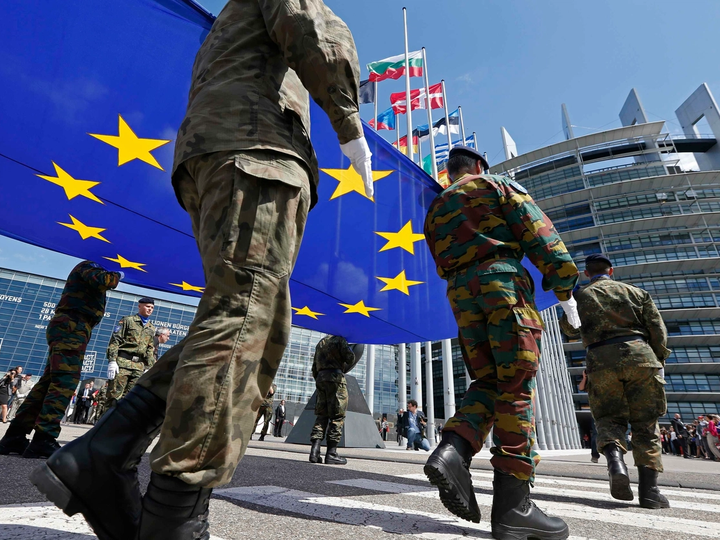
Prisioneros del presupuesto: asimetrías espaciales y esfuerzo fiscal en la defensa de la UE
Prisoners of the Budget: Spatial Asymmetries and Fiscal Effort in EU Defense
Frente al récord de gasto militar en la Unión Europea impulsado por el conflicto en el este, el análisis espacial de los presupuestos revela una marcada fragmentación territorial. ¿Cómo influye la proximidad geográfica en las prioridades de defensa de los Estados miembros y qué desafíos plantea esta brecha para consolidar una estrategia comunitaria integrada?
Against the backdrop of record-high defense spending in the European Union driven by the conflict in the east, a spatial analysis of national budgets reveals a stark territorial fragmentation. How does geographic proximity shape the defense priorities of member states, and what challenges does this divide pose for building an integrated EU strategy?
El potencial argentino en la cadena del litio
Value addition in the lithium chain: Argentina's great potential
Hidrógeno verde: el desafío de convertir el potencial de Argentina en desarrollo
Green Hydrogen: The Challenge of Turning Argentina's Potential into Development
¿Cómo capturar el retorno a la inversión en Inteligencia Artificial en economías emergentes? Propuestas para el caso argentino.
¿Cómo capturar el retorno a la inversión en Inteligencia Artificial en economías emergentes? Propuestas para el caso argentino.
Grupo de Investigación en Asuntos Internacionales (GIAI-CEIPeD)
International Affairs Research Group (IARG)
El Grupo de Investigación en Asuntos Internacionales (GIAI/IARG, por sus siglas en inglés) es la división especializada del CEIPeD dedicada al estudio avanzado, análisis y desarrollo de la agenda contemporánea de política internacional, economía política global y dinámicas de poder entre Estados.
The International Affairs Research Group (IARG/GIAI, in Spanish) is CEIPeD's specialized division dedicated to the advanced study, analysis, and development of the contemporary international policy agenda, global political economy, and inter-state power dynamics.
Grupo de Investigación en Derecho Internacional (GIDI-CEIPeD)
International Law Research Group of CEIPeD (ILRG-CEIPeD)
El Grupo de Investigación en Derecho Internacional (GIDI/ILRG, por sus siglas en inglés) es la división especializada del CEIPeD dedicada al estudio avanzado, análisis y desarrollo de los marcos jurídicos internacionales.
The International Law Research Group (GIDI/ILRG) is the specialized division of CEIPeD dedicated to the advanced study, analysis, and development of international legal frameworks.
Iniciativa Atlántico Sur y Malvinas (IASM-CEIPeD)
Southern Atlantic and Malvinas Initiative (SAIM-CEIPeD)
La Iniciativa Atlántico Sur y Malvinas (IASM-CEIPeD) es la división de CEIPeD dedicada al análisis de la competencia estratégica en el Atlántico Sur y su impacto sobre los intereses nacionales de Argentina. Se abarcarán capacidades militares, infraestructura crítica, composición de la deuda soberana y la disputa por influencia entre las principales potencias extra-regionales en el espacio.
The Southern Atlantic and Malvinas Initiative (SAI-CEIPeD) is CEIPeD's division dedicated to analyzing strategic competition in the South Atlantic and its impact on Argentina's national interests. It will cover military capabilities, critical infrastructure, sovereign debt composition, and the contest for influence among major extra-regional powers in the region.
Iniciativa de Tecnologías Críticas (ITC-CEIPeD)
Critical Technologies Initiative (CTI-CEIPeD)
La Iniciativa de Tecnologías Críticas (ITC-CEIPeD), impulsada por el Centro de Estudios Interdisciplinarios para el Desarrollo (CEIPeD), investiga las transformaciones económicas internacionales derivadas de la expansión de la inteligencia artificial y otras tecnologías críticas, con especial foco en las oportunidades y desafíos que representan para la Argentina. Más allá de describir estos procesos, el espacio busca elaborar diagnósticos que identifiquen los principales determinantes y cursos de acción estratégicos para el país, incorporando una perspectiva comparativa con América Latina y el resto del mundo.
The Critical Technologies Initiative (ITC-CEIPeD), led by the Center for Interdisciplinary Development Studies (CEIPeD), conducts research on the global economic transformations driven by the expansion of artificial intelligence and other critical technologies, with a dedicated focus on the opportunities and challenges they present for Argentina. Beyond merely describing these technological shifts, the initiative delivers actionable diagnostics to identify key drivers and strategic courses of action for the country, contextualized through a comparative lens with Latin America and the broader international landscape.
Observatorio Electoral y de Reforma Política (OERP-CEIPeD)
Electoral and Political Reform Observatory (EPRO-CEIPeD)
El OERP es el programa de CEIPeD dedicado al seguimiento integral del sistema político-electoral argentino. Combina tres líneas de trabajo complementarias: el análisis de las propuestas y debates en torno a la reforma electoral; el mapeo sistemático de candidatos y espacios políticos; y actualizaciones periódicas sobre el desarrollo de los procesos electorales. El programa busca ofrecer un seguimiento riguroso y no partidario de la dinámica electoral argentina, aportando información sistematizada y análisis de contexto para periodistas, investigadores, tomadores de decisión y el público interesado en comprender las reglas de juego y los actores que moldean la política argentina.
EPRO is CEIPeD's program dedicated to the comprehensive monitoring of Argentina's political-electoral system. It combines three complementary lines of work: analysis of proposals and debates surrounding electoral reform; systematic mapping of candidates and political spaces; and periodic updates on ongoing electoral processes. The program aims to provide rigorous, non-partisan tracking of Argentina's electoral dynamics, offering systematized information and contextual analysis for journalists, researchers, decision-makers, and anyone seeking to understand the rules and actors shaping Argentine politics.